
In the professional world of creative strategy and visual communication, few genres possess the enduring brand equity of the still life. While often relegated to introductory art history courses, the still life is, at its core, a masterclass in composition, semiotics, and deliberate design. For marketers, creative directors, and brand strategists, understanding the still life is not merely an academic exercise; it is an exploration of how inanimate objects are curated to communicate values, status, and narrative without a single word of copy.
The Semiotics of Composition: Brand Storytelling Through Objects
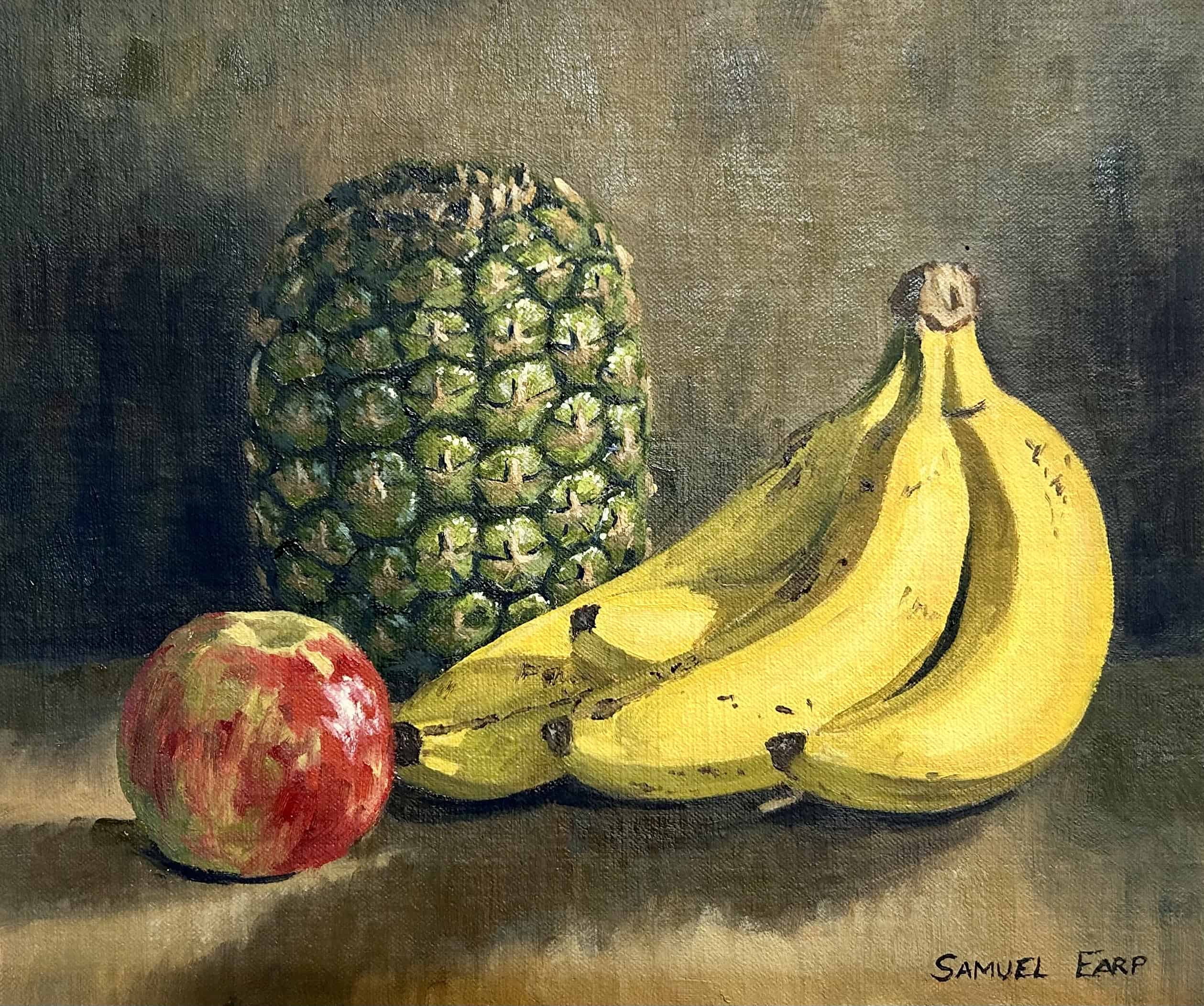
At its most fundamental level, a still life is a work of art depicting mostly inanimate subject matter—typically commonplace objects which may be either natural (food, flowers, dead game, rocks, or shells) or man-made (drinking glasses, books, vases, jewelry, coins, pipes, etc.). However, in the context of commercial design and brand storytelling, these objects serve as proxies for human experience.
Curating the Visual Narrative
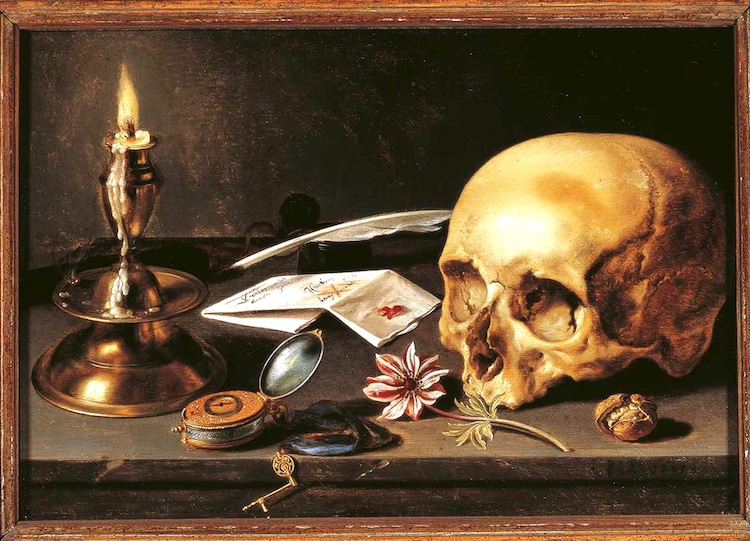
When a designer crafts a still life for a marketing campaign, they are engaging in a process of intentional selection. Every object within the frame carries a semiotic weight. A spilled glass of wine might signify abandonment or indulgence; a fresh piece of fruit placed next to a decaying one acts as a memento mori, reminding the viewer of the ephemeral nature of time—or in a luxury context, the concept of “peak freshness.” By mastering the arrangement of these elements, brands can influence the subconscious perception of their audience, signaling quality, tradition, or disruption before the viewer even processes the brand logo.
The Power of Negative Space
Just as a still life relies on the interplay between objects and the background, modern brand design relies on whitespace. The “stillness” in still life painting teaches us that what is excluded from the frame is as important as what is included. In corporate identity, this translates to the balance between product hero shots and the breathing room necessary to convey elegance. A cluttered frame suggests chaos or discount pricing; a sparse, considered arrangement suggests premium positioning and high-end exclusivity.
The Architecture of Lighting and Visual Hierarchy
If composition is the grammar of the still life, light is its vocabulary. Historically, Dutch masters used chiaroscuro—the dramatic contrast between light and dark—to direct the viewer’s eye toward the focal point of the painting. In digital marketing and product photography, this technique remains the gold standard for creating visual hierarchy.
Directing the Viewer’s Journey
Strategic lighting allows a brand to dictate exactly where a customer should look first. By illuminating the texture of a luxury leather bag or the intricate condensation on a premium beverage bottle, the lighting creates a tactile experience through the screen. This is the art of “sensory marketing.” When we look at a classic still life, we don’t just see shapes; we intuit the temperature, the texture, and the weight of the objects. Brands that successfully replicate this level of detail in their creative assets achieve higher engagement rates because they provide the brain with enough sensory information to form a mental simulation of possession.

Color Psychology and Mood
The color palettes used in still life paintings—from the earthy, muted tones of the 17th-century Northern Renaissance to the vibrant, high-contrast pops of pop art still lifes—are direct precursors to modern brand color theory. A brand aiming for a heritage, trustworthy image might utilize the dark, dramatic warmth of a Caravaggio-inspired palette. Conversely, a tech-forward or lifestyle brand may opt for the flat, bright, high-key lighting seen in contemporary minimalist still life photography. Understanding these historical precedents allows creative teams to align their visual assets with the desired emotional response of their target demographic.
Still Life as a Tool for Brand Identity and Perception
In the current market, the “still life” has evolved into a cornerstone of content marketing, specifically within the realm of social media and editorial design. It is the bridge between a raw product and an aspirational lifestyle.
From Product to Lifestyle
A shoe sitting on a plain white background is a product image. A shoe placed on a worn wooden table next to an open notebook, a steaming cup of coffee, and a stray pen is a still life. The latter tells a story; it creates a brand world. This is the essence of modern personal and corporate branding. Consumers no longer buy products; they buy into the environment and the identity associated with those products. The still life allows a brand to curate a world that the consumer wants to inhabit. By selecting objects that resonate with a specific target audience, a company can signal shared values and aesthetic alignment without resorting to overt sales pitches.
The Longevity of Iconic Assets
One of the greatest advantages of the still life genre is its inherent timelessness. Because it focuses on composition, light, and materiality rather than fast-moving human trends, a well-executed still life asset often has a longer shelf life than lifestyle photography featuring people. Models age, fashion styles shift, and cultural attitudes toward beauty standards evolve, but a perfectly rendered composition of light, shadow, and object retains its power indefinitely. For brands focusing on longevity and evergreen marketing strategies, investing in high-quality still life creative is a fiscally sound decision that provides high ROI over extended campaign cycles.
Strategic Execution: Applying Still Life Principles to Modern Design
To effectively leverage the principles of still life painting in a modern business context, creative directors must move beyond the literal depiction of products and embrace the symbolic potential of their imagery.
The Intersection of Art and Conversion
The goal of a corporate still life is to remove the friction between the viewer and the product. When the composition is harmonious, the brain experiences a sense of order and satisfaction. This visual “comfort” increases the likelihood of conversion. Designers should treat every product shoot like a painting, asking: Does the depth of field draw the eye to the call-to-action? Does the color harmony evoke the brand’s core values? Is the lighting reinforcing the premium nature of the offering?
Developing a Signature Visual Language
Just as the masters of the still life—such as Cézanne, Manet, or Heda—had distinct styles that made their work instantly recognizable, modern brands must cultivate a signature visual language. Consistency in how a brand styles its “still life” assets—whether through consistent background textures, lighting temperatures, or specific object pairings—creates a subconscious link for the consumer. When a user scrolls through a feed or navigates a website, they should be able to identify a brand’s creative output instantly, even without seeing the logo. This is the pinnacle of brand recognition, and it is achieved by mastering the fundamental tenets of the still life: focus, narrative, and the curated arrangement of space.
Ultimately, the still life is a testament to the fact that even the most mundane objects can be transformed into compelling narratives through perspective and design. For the modern marketer, this remains the most valuable lesson: branding is not just about what you sell, but how you compose the world around it. By applying the rigor of the artist to the objectives of the business, brands can elevate their visual communication from simple product showcases to iconic, enduring statements of identity.
aViewFromTheCave is a participant in the Amazon Services LLC Associates Program, an affiliate advertising program designed to provide a means for sites to earn advertising fees by advertising and linking to Amazon.com. Amazon, the Amazon logo, AmazonSupply, and the AmazonSupply logo are trademarks of Amazon.com, Inc. or its affiliates. As an Amazon Associate we earn affiliate commissions from qualifying purchases.