
In the fast-paced world of business strategy and market research, the ability to collect accurate, unbiased data is the cornerstone of a competitive advantage. Companies spend millions of dollars annually testing new product features, marketing messaging, and user interface designs. However, if the data collected during these tests is skewed by human psychology—specifically the “observer-expectancy effect”—the investment can yield misleading results. This is where the single-blind study comes into play. By controlling the flow of information between the researcher and the participant, businesses can strip away layers of subconscious bias, ensuring that the insights driving their strategic decisions are as objective as possible.
Understanding the Mechanics of the Single-Blind Methodology
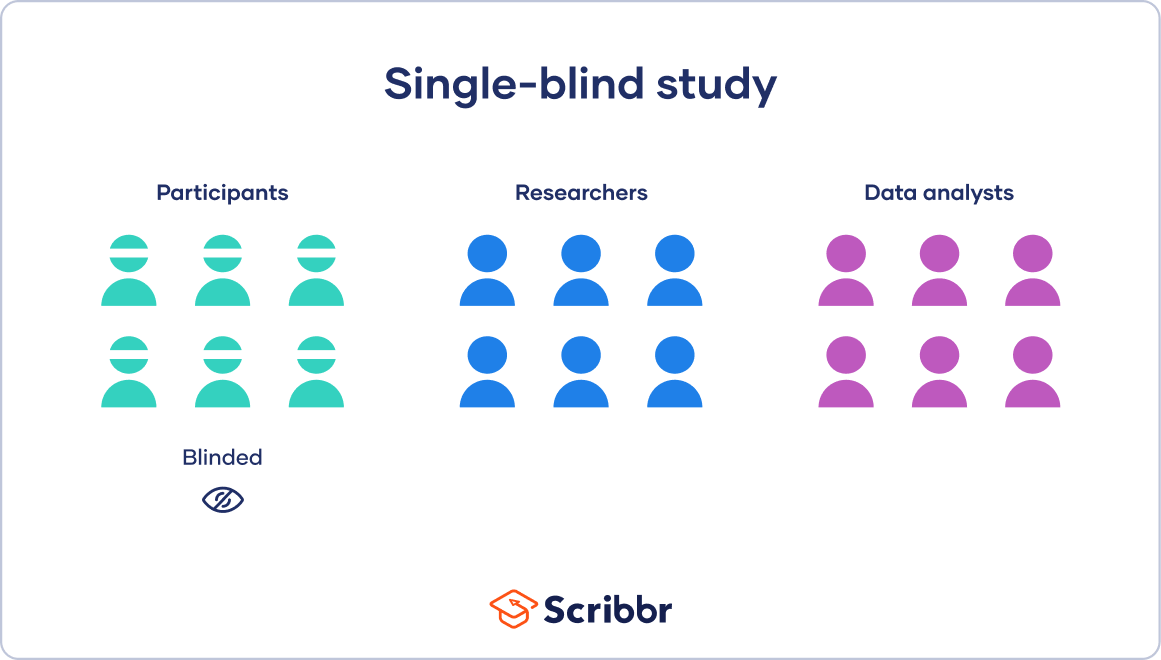
At its core, a single-blind study is an experimental design where the subjects—the people being tested—are kept in the dark regarding specific details of the research to prevent them from altering their behavior. In a corporate or marketing context, this might involve testing a new software interface or a prototype product without revealing exactly which version is the “new” one or what the researchers are hoping to prove.
Removing Participant Bias
Human beings are naturally inclined to be helpful, or conversely, to be contrarian. If a customer is asked to test a new mobile application and is told, “We worked on this for six months and think the new navigation is a major upgrade,” they are psychologically primed to report a positive experience. They may ignore minor bugs or force themselves to like the navigation because they sense the researcher’s intent. In a single-blind study, the participant is kept ignorant of the specific hypothesis. By removing this knowledge, the researcher ensures that the participant’s feedback reflects their authentic user experience rather than a reaction to the company’s internal expectations.
The Role of the Researcher
In a single-blind design, the researcher knows exactly what is being tested and who is in the control group versus the experimental group. They are the ones managing the variables and observing the outcomes. While this setup is highly effective for gathering feedback on consumer preferences, it places a heavy burden on the researcher to remain neutral. Since the researcher is aware of the study’s goals, they must be rigorously trained to avoid leading questions or non-verbal cues that could inadvertently tip off the participant.
The Strategic Importance of Blinding in Marketing and Product Development
For brands and product teams, the single-blind study is more than just a scientific tool; it is a defensive strategy against “vanity metrics” and confirmation bias. When companies fail to use blinding, they often fall into the trap of building products that satisfy their own internal echo chambers rather than the real-world market.
Validating Product Features and UX Design
Consider a scenario where a SaaS company is redesigning its dashboard. If they show the new design to a focus group and explain, “This design is intended to reduce clicks by 30%,” the test subjects will subconsciously look for ways to reduce clicks. They will interpret the new layout through the lens of the company’s stated goal. In a single-blind test, the researcher would present both the old and new designs without stating which is “better.” The resulting data regarding task completion time and error rates will provide a much more accurate assessment of whether the new design is actually superior or simply different.
A/B Testing vs. Controlled Studies
Digital marketers often rely on A/B testing—a form of rapid, automated experimentation. However, A/B testing can sometimes lack depth. A single-blind study allows for qualitative depth that a simple A/B click-through test cannot provide. By observing a participant who is “blind” to the marketing hype, a brand can capture authentic reactions to brand positioning, pricing models, or new advertising copy. This allows for a deeper understanding of the “why” behind the conversion metrics, enabling brands to refine their corporate identity with surgical precision.

Implementing Single-Blind Studies Within Your Corporate Framework
Integrating single-blind methodologies into a business environment requires a structured approach to research design. It is not merely about withholding information; it is about creating a controlled environment that mimics real-world interaction while maintaining the integrity of the data.
Identifying the Variables and Controls
Before conducting a single-blind study, you must clearly define your variables. What are you actually measuring? Is it user satisfaction, ease of use, or consumer preference for a specific price point? Once the variable is defined, you must create a “blind” protocol. This protocol should detail exactly what information is provided to the participant. If you are testing a new packaging design, for example, you would provide the participant with the product but purposefully withhold information regarding the design agency, the intended market, or the budget behind the rebranding effort.
Mitigating Risks of Disclosure
One of the greatest challenges in single-blind studies is the accidental disclosure of information. This often occurs during the recruitment or onboarding phase of the study. When participants are recruited, they are often given an informed consent form. If that form is too detailed regarding the study’s purpose, the “blind” element is compromised before the test even begins. To maintain the validity of the study, businesses must draft consent forms that satisfy legal and ethical requirements while keeping the study’s core hypothesis obscured.
Challenges and Ethical Considerations
While the single-blind study is a powerful tool for strategic clarity, it is not without its limitations and ethical requirements. Transparency and ethics are critical in corporate research, even when the goal is to mask the hypothesis.
The Ethical Balance of Information
There is a fine line between a “blind” study and deception. Under no circumstances should a single-blind study involve lying to the participant or exposing them to harmful materials. The objective is simply to create a neutral environment. Participants must always be informed that they are participating in research and must be given the right to withdraw at any time. After the study is concluded, a “debriefing” phase is often recommended, where the true purpose of the study is revealed to the participants. This not only satisfies ethical standards but can also provide a secondary layer of valuable feedback: how the user feels once they understand the company’s ultimate intent.
Limitations in Complex Research
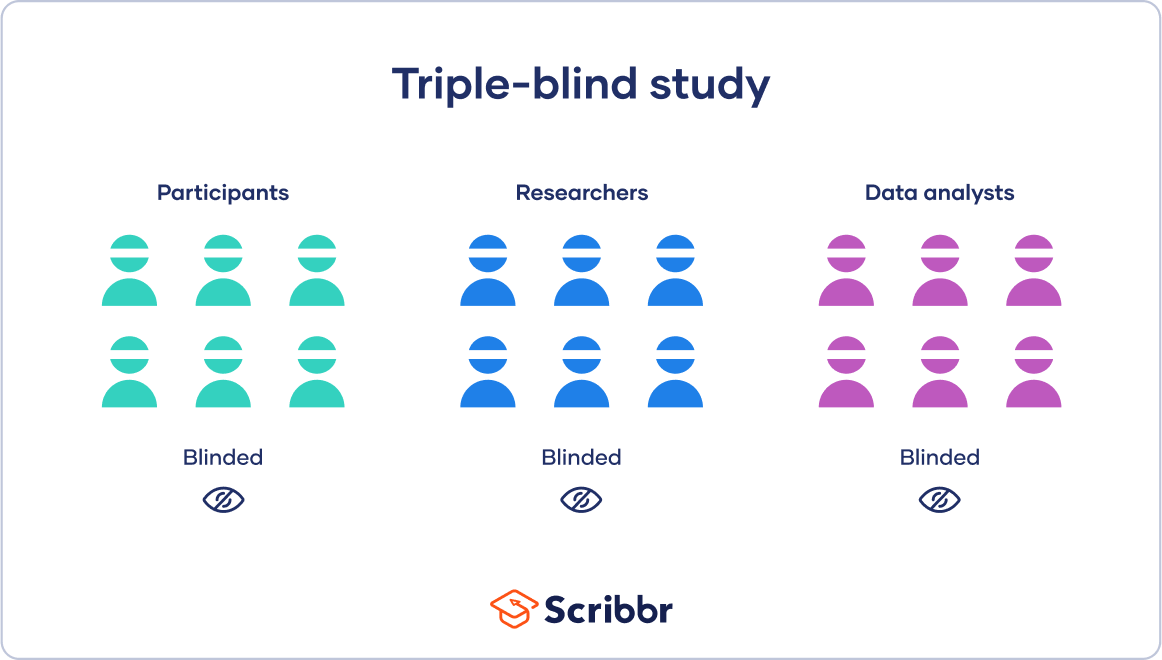
Single-blind studies are highly effective, but they are not the “gold standard” in every situation. If the research involves long-term psychological impacts or deeply ingrained habits, a single-blind study might be insufficient. In these cases, companies might need to move toward a double-blind study—where even the researchers are unaware of who is in the control group—or longitudinal studies that track behavior over months. Understanding the depth of your research requirement is essential to deciding whether a single-blind study is the correct investment.
Conclusion: Driving Business Growth Through Objectivity
In an era where data is often weaponized to support pre-existing narratives, the single-blind study serves as a guardian of truth for the business world. By removing the influence of the researcher’s expectations from the participant’s experience, brands can move beyond intuition and vanity to uncover the raw, unvarnished insights that dictate market success. Whether you are fine-tuning a digital interface, testing the reception of a new brand identity, or evaluating a pricing pivot, the single-blind study provides the structure needed to make decisions that are based on reality, not on the biases we project onto our customers. By embracing this rigorous methodology, companies move away from guessing and toward a strategic advantage that is backed by clean, actionable, and reliable data.
aViewFromTheCave is a participant in the Amazon Services LLC Associates Program, an affiliate advertising program designed to provide a means for sites to earn advertising fees by advertising and linking to Amazon.com. Amazon, the Amazon logo, AmazonSupply, and the AmazonSupply logo are trademarks of Amazon.com, Inc. or its affiliates. As an Amazon Associate we earn affiliate commissions from qualifying purchases.