
In an era where information travels instantly and corporate reputation can be built or dismantled in a single viral moment, the role of strategic communication has never been more vital. A public relations (PR) degree is an academic program designed to equip students with the complex toolkit required to manage the flow of information between an organization and its various publics. Far more than just “spin,” a PR degree is a rigorous study of human psychology, brand equity, media relations, and crisis management.
At its core, a PR degree is a specialized study in influence. It combines the disciplines of journalism, sociology, marketing, and business management to prepare professionals who can tell a brand’s story in a way that resonates with target audiences while maintaining ethical standards and organizational integrity.

The Academic Foundations of Public Relations
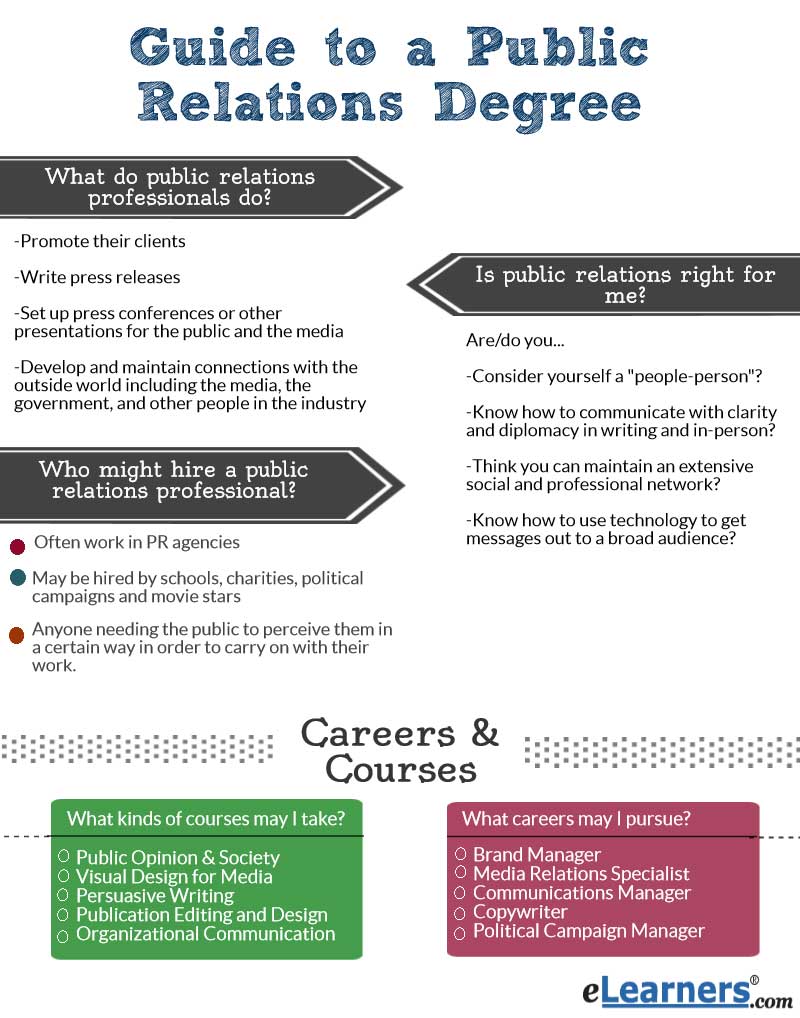
A PR degree program is rarely one-dimensional. To be effective in the field, students must master both the creative and analytical sides of communication. The curriculum is typically structured to provide a comprehensive understanding of how public perception is formed and maintained.
Core Communication Theory
Before students dive into strategy, they must understand the mechanics of communication. This involves studying communication models, message dissemination theories, and the psychological impact of framing. Understanding why people accept certain narratives while rejecting others is the bedrock of any successful public relations campaign.
Media Relations and Digital Literacy
A major portion of the degree is dedicated to media relations. Students learn how to interact with journalists, craft compelling press releases, and manage media inquiries. However, in the modern landscape, this has expanded significantly. Digital literacy now includes understanding search engine optimization (SEO) as it relates to news dissemination, managing social media algorithms, and working with influencers to amplify brand messages.
Ethics and Law
Perhaps the most critical aspect of the curriculum is the emphasis on ethics. Public relations professionals are often the keepers of a brand’s reputation. Courses in communication law cover libel, slander, intellectual property, and privacy, ensuring that graduates can navigate the legal complexities of global communication without compromising the organization’s standing.
Developing a Strategic Brand Perspective
A PR degree is inextricably linked to the broader world of brand strategy. While marketing often focuses on the immediate conversion—getting a customer to buy a product—public relations focuses on the long-term health of the brand. Earning this degree provides the expertise to align a company’s voice with its core values, ensuring consistency across every touchpoint.
Defining the Brand Narrative
Everything a company does—from its customer service policy to its sustainability initiatives—is part of its narrative. PR professionals are trained to identify the “golden thread” of a brand. They translate abstract corporate goals into concrete stories that investors, employees, and customers can believe in. By studying PR, students learn how to conduct a “brand audit,” identifying gaps between how an organization is perceived and how it intends to be perceived.
The Role of Reputation Management
Reputation is a brand’s most valuable intangible asset. A PR degree teaches students that reputation is built through consistent, credible interactions over time. This involves stakeholder mapping: identifying the various groups—such as shareholders, community members, and government regulators—that have an interest in the organization and tailoring communication strategies for each. Through the degree, students learn how to track sentiment, using tools and surveys to measure brand health and adjust strategies accordingly.
Navigating Crisis and Change
Perhaps the most high-stakes application of a public relations degree is crisis communication. Every brand, no matter how carefully managed, will eventually face a setback. Whether it is a product recall, a social media scandal, or a leadership failure, the way a company responds in the first few hours of a crisis determines its future.
Strategic Planning for the Unforeseen
A PR degree program teaches the art of “vulnerability assessment.” Students practice creating crisis response manuals, identifying potential points of failure within an organization before they become public issues. This includes training in spokesperson preparation, where students learn how to remain composed, transparent, and authoritative under intense media pressure.
Restoring Trust Through Communication
Crisis management is not about deception; it is about accountability. The curriculum emphasizes the “Three R’s” of crisis: Regret, Reason, and Remediation. Students learn how to craft statements that apologize sincerely, explain the steps being taken to fix the issue, and outline how the organization will prevent the incident from recurring. This strategic approach to recovery is what allows brands to emerge from crises with their reputations intact.
The Professional Evolution of the PR Graduate
Graduates of public relations programs enter a job market that is increasingly data-driven. The “soft skills” of storytelling are now augmented by “hard skills” in analytics. A modern PR degree is as much about interpreting data as it is about writing compelling copy.
Integrating Analytics and ROI
In the past, PR was notoriously difficult to measure. Today, a degree in the field emphasizes the importance of Key Performance Indicators (KPIs). Students learn how to use digital analytics to track mentions, sentiment, share of voice, and conversion rates. Being able to demonstrate the Return on Investment (ROI) of a PR campaign is essential for moving into leadership roles, such as Chief Communications Officer or Director of Corporate Affairs.

The Future of PR: Strategic Alignment
The industry is moving toward a model of “integrated marketing communications,” where PR is no longer a siloed department but a foundational element of overall brand strategy. A PR degree provides the foundational knowledge to navigate this integration. Professionals with this background are increasingly taking on broader roles in content strategy, internal communications, and ESG (Environmental, Social, and Governance) reporting.
As the lines between personal branding, corporate identity, and digital influence continue to blur, the value of a PR degree grows. It provides a structured understanding of how to build authority in a crowded marketplace. It teaches the nuance of language, the urgency of timing, and the necessity of truth. For those interested in the architecture of influence, a public relations degree provides the blueprint for building, protecting, and evolving the brands that define our world.
aViewFromTheCave is a participant in the Amazon Services LLC Associates Program, an affiliate advertising program designed to provide a means for sites to earn advertising fees by advertising and linking to Amazon.com. Amazon, the Amazon logo, AmazonSupply, and the AmazonSupply logo are trademarks of Amazon.com, Inc. or its affiliates. As an Amazon Associate we earn affiliate commissions from qualifying purchases.