
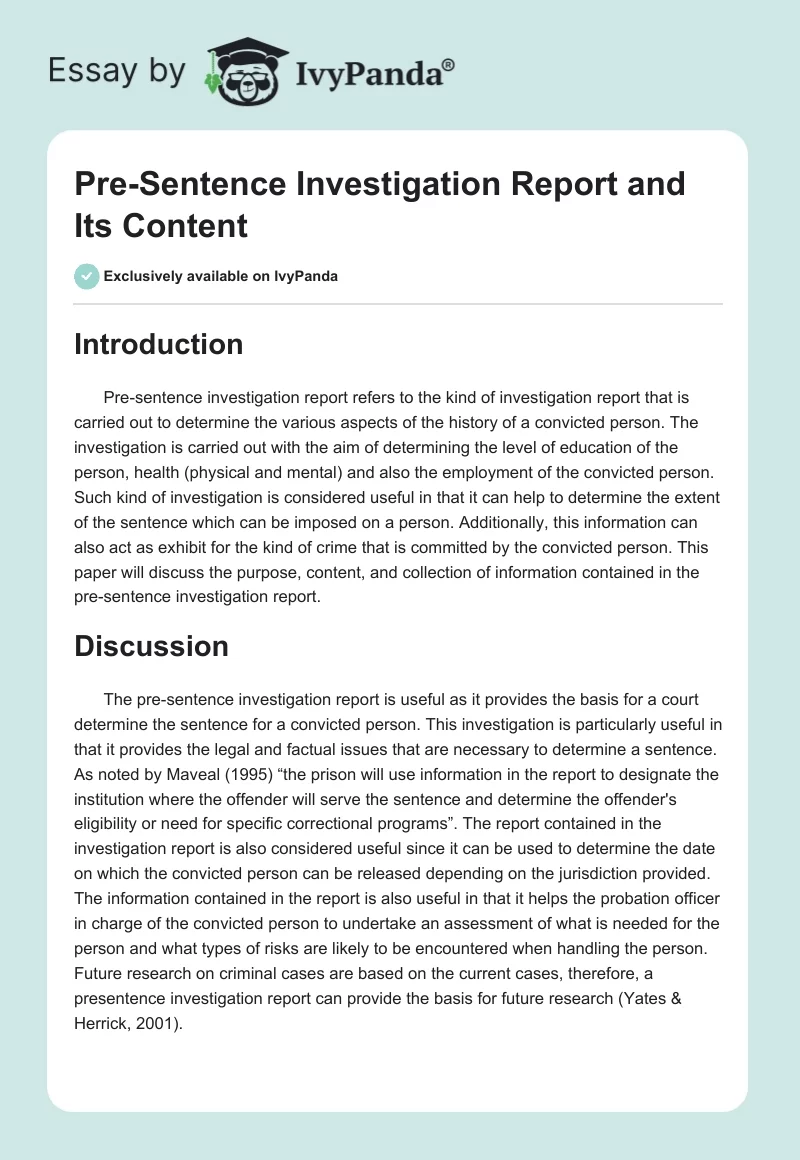
A Pre-Sentence Investigation (PSI) is a critical component of the criminal justice process, yet it is often misunderstood by defendants and their families. At its core, the PSI serves as a financial and biographical snapshot of an individual’s life, designed to assist judges in determining the most appropriate sentencing outcome. While the legal system focuses on guilt or innocence during the trial phase, the PSI phase shifts the focus toward the defendant’s socioeconomic stability, financial history, and potential for rehabilitation. Understanding how this document is constructed and how it influences sentencing is essential for anyone navigating the legal system, as it acts as a primary tool for judicial decision-making.
The Purpose and Mechanics of the Pre-Sentence Investigation
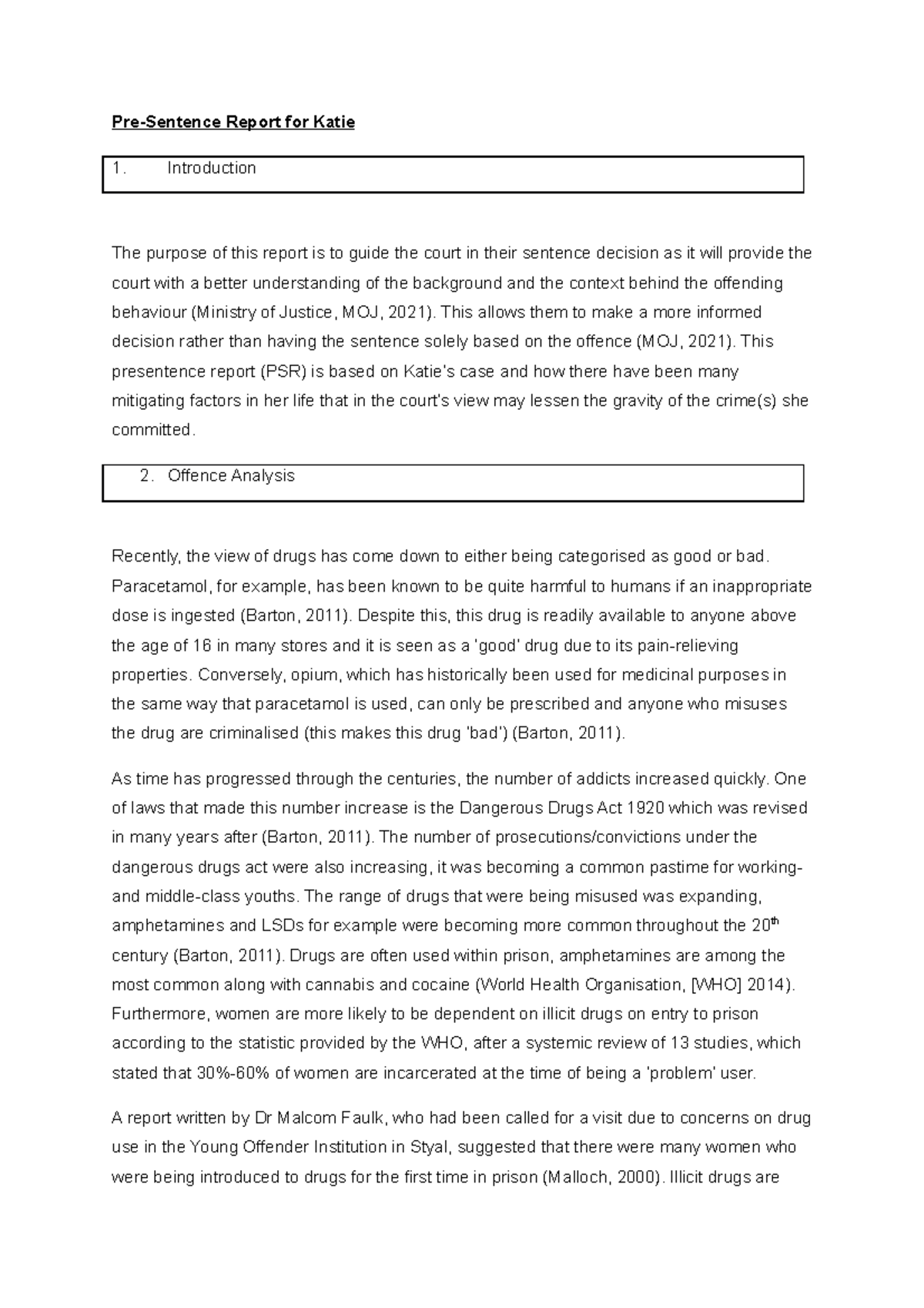
The Pre-Sentence Investigation is a formal report prepared by a probation officer after a defendant has pleaded guilty or been found guilty of a crime. The objective is to provide the court with an objective, verified account of the defendant’s background to ensure the sentence is proportional to both the offense and the individual’s circumstances.
The Role of the Probation Officer
The probation officer acts as a neutral investigator. Their primary duty is to gather data that the court would otherwise not have access to during a standard trial. This includes verifying employment history, tax records, educational attainment, and community ties. Because the court relies heavily on these reports, the information contained within the PSI can significantly sway a judge’s decision regarding incarceration, probation, or fines.
Data Collection and Financial Verification
A significant portion of the PSI involves a detailed financial profile. The probation officer will audit the defendant’s current assets, liabilities, and income streams. This is not merely for the purpose of assessing potential fines or restitution; it is a way to determine if the defendant has the resources to pay court-ordered costs or if they require state-appointed assistance. From a financial perspective, this document functions like a comprehensive credit and asset report, requiring the defendant to be transparent about bank accounts, real estate holdings, and outstanding debts.
The Financial Dimensions of the PSI Report
The financial section of a Pre-Sentence Investigation is arguably the most scrutinized part of the document, particularly in cases involving white-collar crime, fraud, or tax-related offenses. Because judges must balance punitive measures with the defendant’s ability to pay, the financial analysis within the PSI is rigorous.
Analyzing Ability to Pay
When the court mandates restitution or significant fines, it must determine the defendant’s “ability to pay.” The PSI report documents all sources of income, including investments, side hustles, and business ownership interests. If a defendant hides assets or fails to disclose income sources, they risk being penalized for obstruction or lack of cooperation. The report essentially forces a full disclosure of the defendant’s private financial life, creating a roadmap for how the court will levy financial penalties.
Impact on Restitution and Fines
In cases involving victims, the PSI plays a pivotal role in establishing a restitution plan. The probation officer evaluates the victim’s financial losses and compares them against the defendant’s net worth and future earning potential. By quantifying these figures, the court creates a structured plan for the defendant to fulfill their financial obligations. For the defendant, the accuracy of this section is paramount; an inflated assessment of wealth can lead to unrealistic payment requirements that may be impossible to fulfill once the defendant is released or begins serving their sentence.

Navigating the Reporting Process for Defendants
For the defendant, the period between the verdict and the sentencing hearing is a high-stakes time. The PSI process is not merely a formality; it is an opportunity to present a balanced view of one’s life, including financial contributions to society, professional achievements, and potential for restitution.
The Importance of Documentation
To ensure the PSI is accurate, defendants must approach the data collection process with the same level of organization as a business audit. Providing clear, verified documentation—such as tax returns, employment verification letters, and statements of debt—prevents the probation officer from having to rely on assumptions or external, potentially inaccurate databases. A well-prepared defendant provides the officer with all necessary materials in an organized manner, which helps in painting a complete picture of their financial health.
Strategic Transparency and Correction
It is common for PSI reports to contain errors. These could be as simple as a transposition of a figure in a bank account or as significant as an incorrect assessment of a business’s value. The defendant has the right to review the report before it is finalized. Engaging with legal counsel during this phase is vital to ensure that any financial inaccuracies are challenged and corrected. If a defendant ignores a factual error in the PSI, that error becomes part of the official court record and can be used to set unfair financial obligations or even influence the length of a sentence.
Strategic Considerations for Future Financial Planning
Understanding the PSI is also a lesson in the long-term importance of financial transparency. The investigation process exposes how fragile a professional reputation can be when it is scrutinized by the court. For individuals who have high-net-worth assets or complex business holdings, the PSI can be particularly intrusive.
Assessing Long-Term Liability
The PSI serves as a stark reminder of why maintaining meticulous financial records is essential in all professional and personal endeavors. When the court reviews a defendant’s financial history, it looks for patterns of behavior. A history of consistent tax filings and organized financial reporting can sometimes be interpreted as evidence of stability and responsibility, which may favorably impact the judge’s view of the defendant’s character. Conversely, chaotic or undocumented finances can signal a disregard for legal and financial obligations.
The Lasting Impact of Legal Financial Obligations (LFOs)
The financial requirements established during the PSI do not disappear at the end of the sentencing hearing. These Legal Financial Obligations (LFOs) become a permanent part of the defendant’s life, often persisting long after any term of incarceration or probation has ended. Failure to adhere to the financial plan set forth by the court can lead to further legal complications. Therefore, the PSI is the foundational document that dictates the defendant’s financial reality for years, or even decades, to come.
Conclusion: The Holistic View of the Defendant
The Pre-Sentence Investigation is far more than a simple summary of a criminal record. It is a comprehensive tool that bridges the gap between the legal offense and the real-world individual. By blending biographical history with rigorous financial analysis, the report forces a level of accountability that is rare in other legal proceedings.
For those navigating this process, the focus should remain on accuracy, transparency, and the professional organization of financial data. The PSI is the primary document that provides the judge with the context needed to exercise discretion. By ensuring that this document is as accurate as possible, defendants can provide the court with the most complete and fair version of their story, helping to ensure that the sentencing outcome—both in terms of time and financial penalty—is grounded in facts rather than assumptions. In the complex intersection of law and finance, the PSI stands as the definitive record, shaping not only the immediate future of the defendant but their long-term ability to reintegrate into society and fulfill their obligations to the court and their community.
aViewFromTheCave is a participant in the Amazon Services LLC Associates Program, an affiliate advertising program designed to provide a means for sites to earn advertising fees by advertising and linking to Amazon.com. Amazon, the Amazon logo, AmazonSupply, and the AmazonSupply logo are trademarks of Amazon.com, Inc. or its affiliates. As an Amazon Associate we earn affiliate commissions from qualifying purchases.