
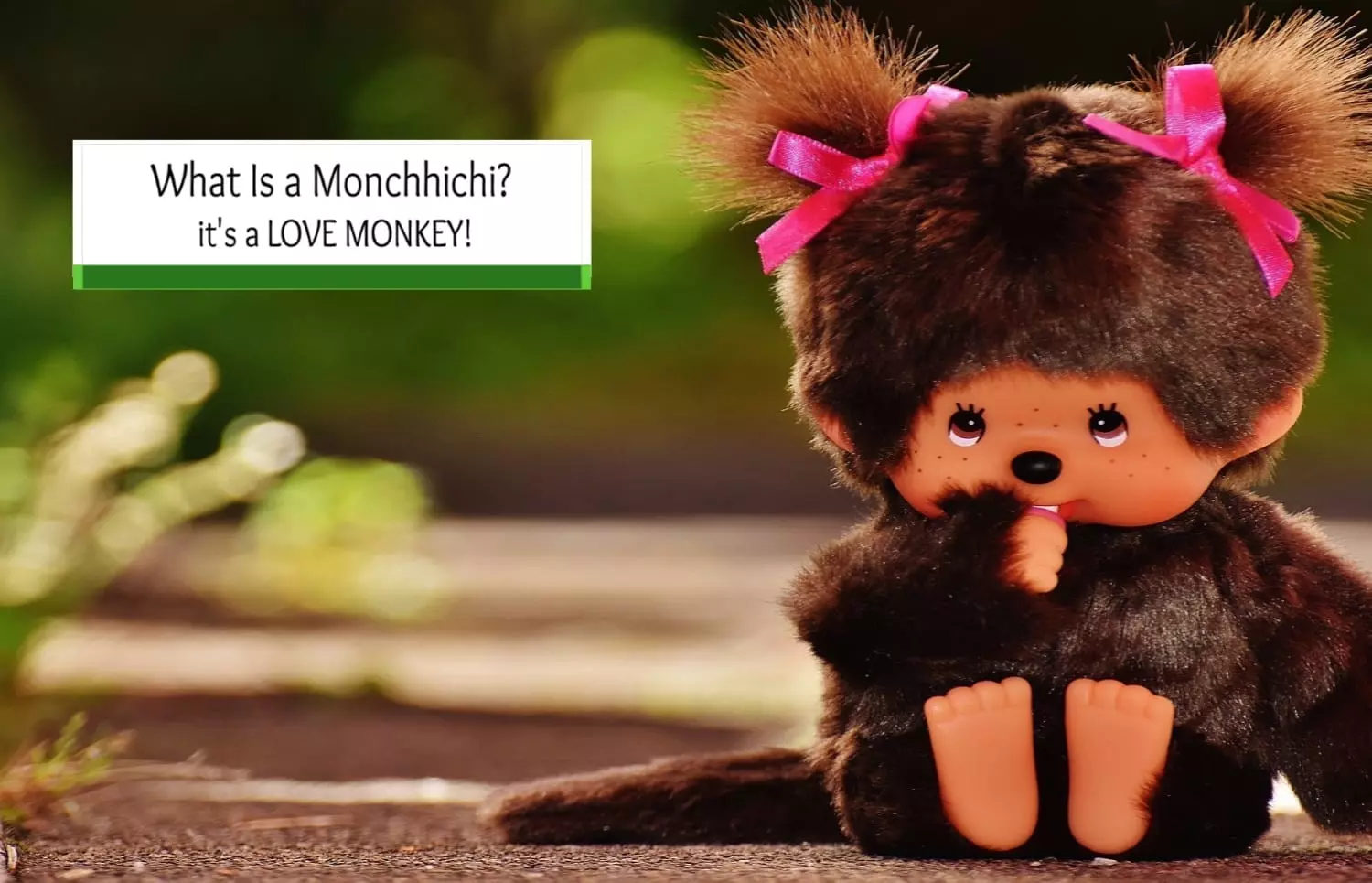
The Monchichi—a distinctive, thumb-sucking monkey doll with a soft, fur-covered body and a vinyl face—represents one of the most fascinating case studies in the history of global brand expansion. Created by the Sekiguchi Corporation in Japan in 1974, the Monchichi has transcended its origins as a simple toy to become a cultural icon. From a brand strategy perspective, its success provides a masterclass in how to build a recognizable visual identity, leverage emotional resonance, and sustain market relevance through decades of shifting consumer demographics.
The Foundations of an Iconic Brand Identity
At its core, the Monchichi brand was built on a deliberate design philosophy that prioritized tactile appeal and emotional connection. When Sekiguchi launched the product, the toy industry was transitioning toward more sophisticated plastic dolls and action figures. The Monchichi, however, occupied a unique niche: it was a “companion” toy. Its design—small, soft, and anthropomorphically infant-like—was engineered to trigger the nurturing instincts of children, a strategy that remains a pillar of successful marketing to younger demographics.
The Power of Distinctive Visual Assets
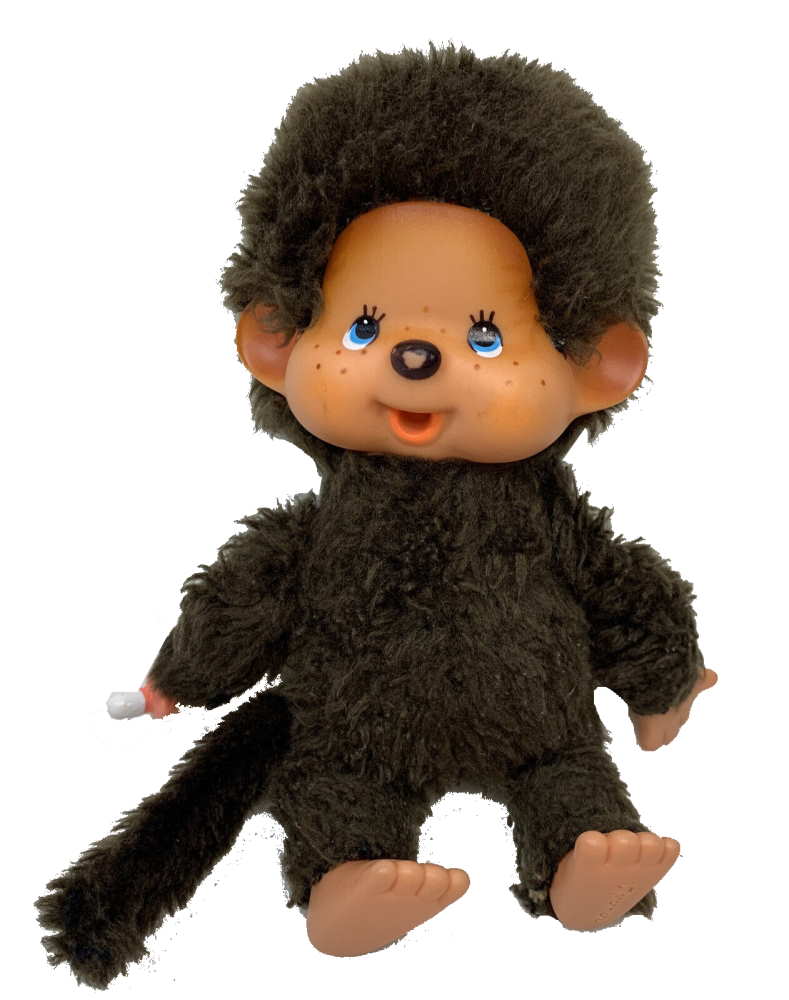
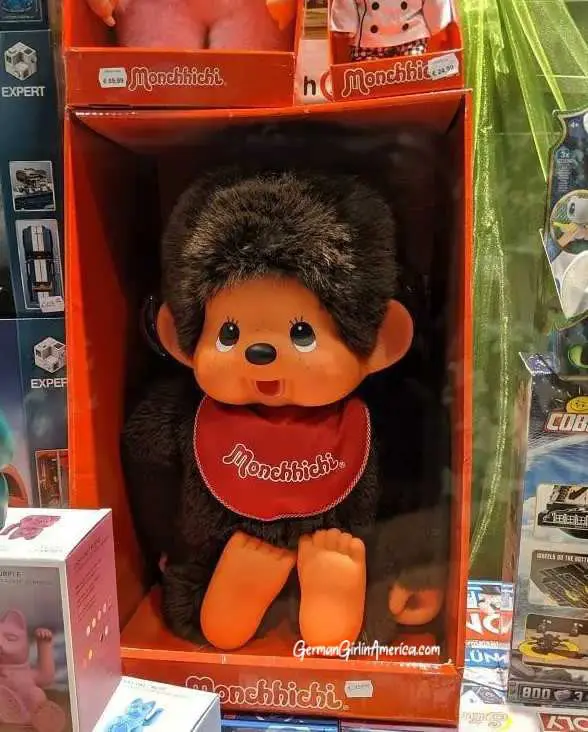
The most critical element of the Monchichi brand identity is its consistency. Despite several waves of popularity across different continents, the core physical traits of the doll have remained remarkably stable. The vinyl face, the oversized eyes, and the signature thumb-sucking gesture were not merely aesthetic choices; they were branding anchors. In the realm of product design, these features serve as a visual logo. Even when the brand experiments with different outfits or limited-edition collaborations, the essential “Monchichi-ness” remains recognizable at a glance. This consistency is a prerequisite for long-term brand equity, ensuring that consumers can instantly identify the product without requiring explicit branding on the packaging.
Cultural Localization vs. Universal Appeal
When the Monchichi brand expanded from Japan to international markets, including Europe and the United States in the late 1970s and 1980s, the company faced the challenge of translating a Japanese concept to a global audience. The strategy employed was one of universal relatability. By focusing on the theme of “happiness and love,” Sekiguchi successfully positioned the doll not as a Japanese import, but as an international cultural phenomenon. This underscores a vital branding principle: when a product taps into universal human emotions—in this case, the comfort of a small, soft friend—it can bypass cultural barriers with ease.
Strategic Marketing and Lifecycle Management
A brand is only as strong as its ability to navigate the lifecycle of its products. The Monchichi brand has survived for five decades by masterfully balancing its identity as a “vintage” legacy brand with the need for constant modernization.
The Evolution of the Marketing Mix
The Monchichi marketing strategy has historically relied on a blend of physical presence and transmedia storytelling. The introduction of an animated series in the 1980s served as an early example of content marketing—a way to build a narrative world around the product that gave children a reason to engage with the characters beyond the physical doll. This approach deepened the brand’s footprint in the consumer’s mind, transforming it from a static object into a protagonist with a personality.
In the modern digital landscape, the brand has pivoted to leverage social media as a tool for community building. By showcasing the dolls in various lifestyle settings, the marketing has shifted from purely child-centric advertising to appealing to adult collectors who view the dolls as nostalgic lifestyle accessories. This expansion of the target demographic—moving from children to nostalgic adults—is a strategic pivot that many legacy toy brands use to stabilize revenue and maintain relevance in a crowded market.
Collaborative Branding and Scarcity
Another pillar of the Monchichi brand strategy is the use of collaborative design. By partnering with fashion labels, boutique toy designers, and lifestyle brands to create limited-edition versions of the doll, Sekiguchi has successfully cultivated a sense of scarcity. This strategy achieves two things: it maintains the premium status of the brand and ensures that it remains part of current cultural conversations. For a brand to avoid stagnation, it must find ways to “re-introduce” itself to new audiences; collaborations act as a bridge, allowing the Monchichi to be framed within the context of current fashion or pop-culture trends.
Nostalgia as a Competitive Advantage
One of the most valuable assets a brand can possess is a deep emotional history. For the Monchichi, nostalgia is not just a sentiment; it is a competitive advantage that protects the brand against commoditization.
The Economics of Emotional Branding
In a market saturated with mass-produced, digital-first toys, the Monchichi offers an “analog” emotional experience. This is a deliberate brand positioning. Consumers are increasingly drawn to products that offer a sense of tactile history and reliability. Because the Monchichi has been around for nearly fifty years, it holds a unique place in the memory of multiple generations. When a brand can bridge the gap between a parent’s childhood and a child’s present, it establishes a multi-generational loyalty loop. From a strategy standpoint, this creates a “moat” that is difficult for new, trendy toys to cross.
Maintaining Authenticity in a Digital World
As the toy industry becomes increasingly dominated by digital integrations, apps, and smart devices, the Monchichi remains remarkably “un-smart.” This lack of technological complexity is, ironically, one of its greatest branding strengths. By refusing to follow every digital trend, the brand maintains an air of authenticity. It stays true to its core identity as a plush companion, which reinforces the trust consumers have in the brand. In marketing, authenticity is often the differentiator between a product that is purchased and a brand that is cherished. By leaning into its heritage rather than trying to compete with high-tech gadgets, the Monchichi reinforces its position as a timeless classic.
Future-Proofing the Iconic Brand
Looking ahead, the longevity of the Monchichi brand will depend on its ability to sustain its cultural relevance while preserving the core brand identity that made it successful in the first place.
Bridging Generational Divides
The future of the brand lies in its continued ability to recruit new generations of fans. This requires a delicate balance: the brand must retain the classic aesthetic of the original doll to satisfy long-term collectors, while perhaps introducing subtle variations that resonate with modern aesthetic preferences. This is a common challenge in corporate identity management—how to change without changing too much.
Leveraging the “Heritage” Narrative
As we move further into a world of disposable consumerism, brands with a clear heritage story have a significant advantage. The Monchichi’s history is a major asset in its communication strategy. By telling the story of its creation, its design evolution, and its global journey, the brand provides context that adds value. In the eyes of the modern consumer, a product with a history is a “story,” and stories are infinitely more shareable and marketable than mere merchandise.
The success of the Monchichi is a testament to the fact that effective branding is rarely about constant reinvention. Instead, it is about identifying the core essence that makes a product unique and finding ways to tell that story across different eras and demographics. Whether it is through nostalgic appeal, strategic collaborations, or a commitment to its original design identity, the Monchichi remains a brilliant example of how a singular idea can be curated and protected to ensure it stays relevant, recognizable, and beloved for half a century and counting. The lesson for any brand manager is clear: define your identity, protect your visual assets, and nurture the emotional connection with your audience—the rest will follow.
aViewFromTheCave is a participant in the Amazon Services LLC Associates Program, an affiliate advertising program designed to provide a means for sites to earn advertising fees by advertising and linking to Amazon.com. Amazon, the Amazon logo, AmazonSupply, and the AmazonSupply logo are trademarks of Amazon.com, Inc. or its affiliates. As an Amazon Associate we earn affiliate commissions from qualifying purchases.