
The process of converting shoe sizes across genders is a foundational element of retail brand strategy and consumer psychology. For global footwear manufacturers, sizing consistency serves as a pillar of brand equity. When a consumer asks, “What is a men’s 9 in women’s,” they are navigating a standard industry conversion metric—typically a 1.5-size difference—that shapes how brands design their sizing charts, manage inventory, and communicate fit to a diverse global audience. Understanding this conversion is not merely a matter of simple arithmetic; it is an exploration of how footwear companies maintain cohesive identity and user experience across diverse product lines.
The Industry Standard: Decoding the Size Conversion
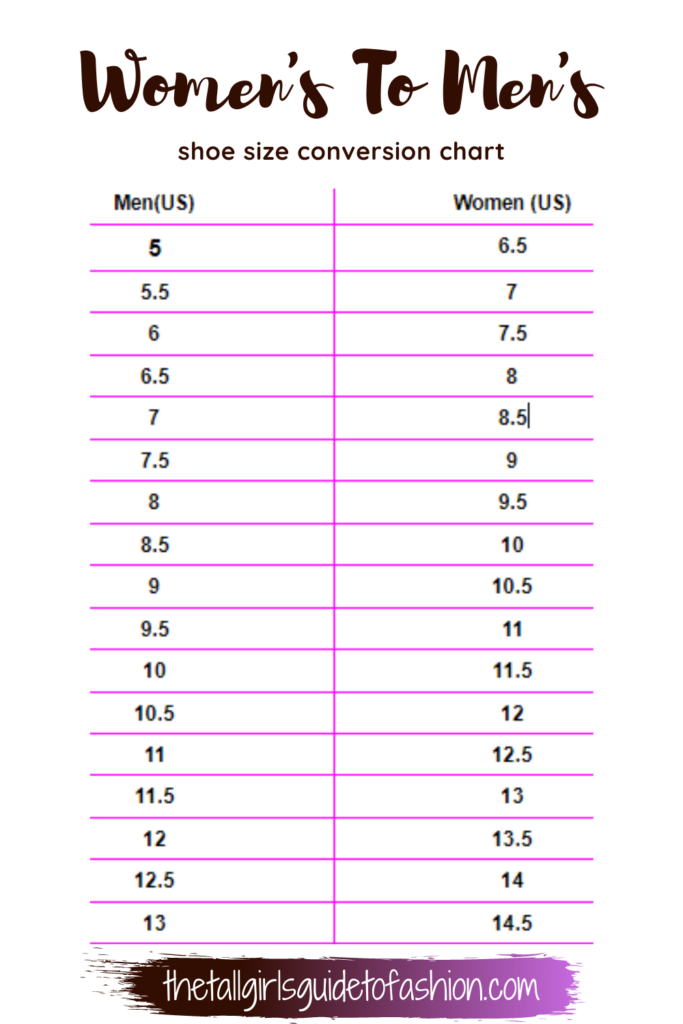
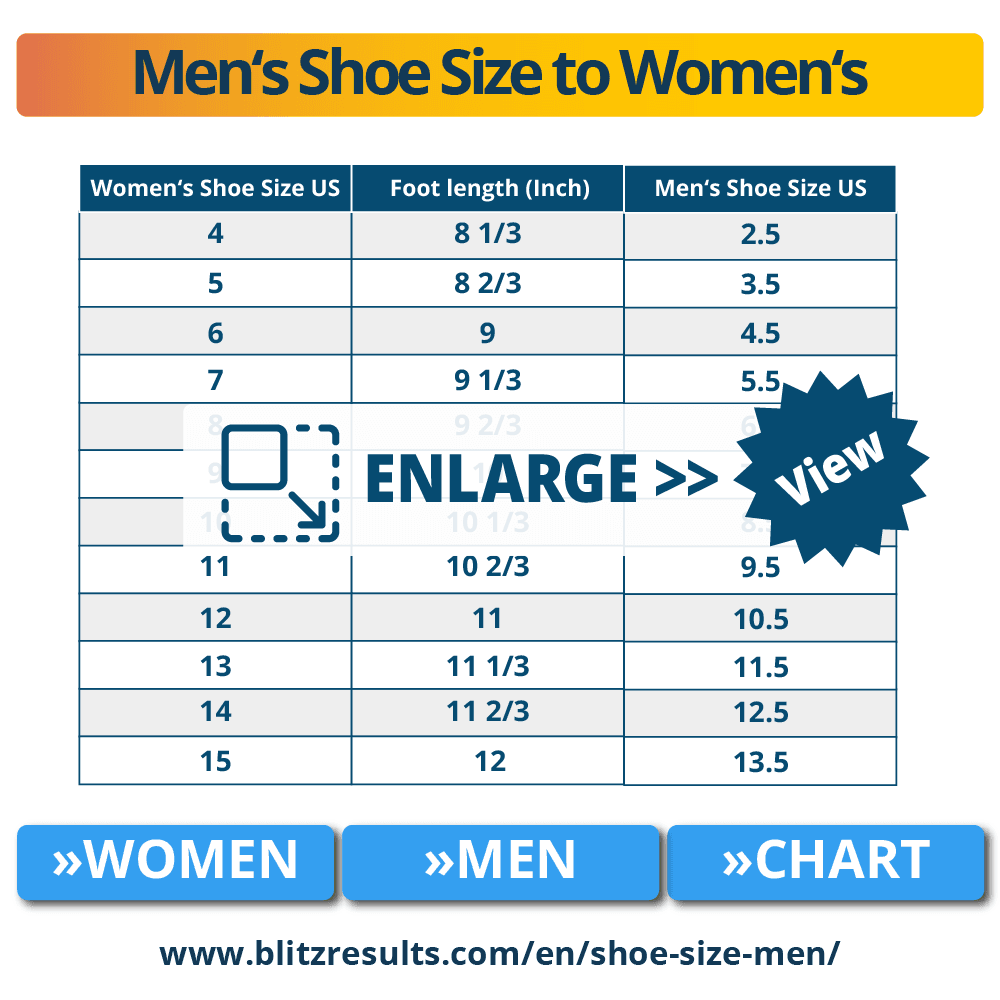
At the core of the footwear industry, the standard conversion for moving between men’s and women’s sizing is a consistent 1.5-size offset. If you are a man who wears a size 9, the equivalent in a women’s model is typically a 10.5. Conversely, if you are looking to purchase a men’s shoe based on a women’s size, you subtract 1.5. This mathematical consistency is essential for brands that aim to provide a seamless omnichannel experience.
Why the 1.5-Size Gap Exists
This measurement difference is rooted in the historical design requirements of foot morphology. Historically, women’s lasts (the mechanical form shaped like a human foot used to construct shoes) were built with a narrower heel-to-forefoot ratio compared to men’s lasts. By implementing the 1.5-size conversion, brands have established a “universal language” of sizing that simplifies the purchasing process for consumers who may want to wear footwear marketed to the opposite gender. For retailers, this standardization minimizes the friction of returns and exchanges, directly impacting the bottom line and customer satisfaction scores.
The Role of Width and Fit
While the length conversion is standard, the width designation often remains a point of confusion. In the United States, men’s standard width is typically a “D,” whereas women’s standard width is a “B.” When a man switches to a women’s size 10.5 to accommodate his foot length, the shoe may feel significantly narrower than his usual men’s 9. Brand marketing teams must clearly communicate these distinctions on product pages to avoid brand dilution caused by “poor fit” reviews. Companies that fail to educate their customers on width variances risk higher return rates and decreased customer loyalty.
Brand Strategy and Unified Sizing Systems
For global footwear brands, sizing architecture is a critical component of corporate identity. A brand that successfully navigates the complexities of gender-neutral sizing creates a competitive advantage. As the market shifts toward more inclusive design, the rigid wall between “men’s” and “women’s” sizing is beginning to blur.
Designing for Unisex Appeal
Many modern sneaker brands have adopted “Unisex Sizing” labels to remove the mental hurdle of manual conversion. By listing both sizes (e.g., M 9 / W 10.5) directly on the tongue label or the product packaging, the brand takes the responsibility of the conversion away from the consumer. This design choice is a powerful branding signal; it suggests that the footwear is crafted for the foot rather than the gender. This strategic shift reflects a deeper understanding of current consumer trends, where identity is fluid, and utility is prioritized over traditional retail categorization.

The Impact on Inventory Management
From a logistics and business perspective, unified sizing allows companies to consolidate their inventory. Rather than splitting stock into distinct gender categories, which increases warehousing costs and potential stockouts, brands can utilize a single SKU for a broader demographic. This optimization of the supply chain is a hallmark of sophisticated brand operations. By streamlining the sizing logic, companies can focus their marketing dollars on storytelling and community building rather than managing the complexities of fragmented sizing charts.
Consumer Psychology and the Retail Experience
The question of “What is a men’s 9 in women’s” reveals a desire for clarity in the customer journey. When a brand fails to provide this information clearly, they create a “cognitive load” that can deter a purchase. Successful brands recognize that the retail environment is an extension of their brand values. If the shopping experience is intuitive, the consumer is more likely to associate the brand with convenience and reliability.
Navigating the Digital Shelf
In an e-commerce context, sizing guides are often the most visited pages outside of the product gallery. Brands that leverage interactive “Size Finders” or predictive AI tools to assist users in finding their conversion size demonstrate a commitment to user experience design. These digital tools do more than answer a question; they function as a virtual consultant, reinforcing the brand’s position as an expert in the category. For the business, this data collection is invaluable, providing insights into which styles attract the most cross-gender interest and helping to inform future product development cycles.
Building Trust Through Transparency
The conversion gap—and the resulting change in width—is a technical detail that can lead to frustration if not explained properly. Transparent communication is a key element of corporate identity. When a brand proactively warns a consumer that a women’s version of a model might be narrower, they aren’t just selling a shoe; they are building a relationship based on trust. This honesty reduces the likelihood of product returns, which is a major expense in the fashion and footwear industry. In the competitive landscape of online retail, customer trust is a currency, and clear, actionable sizing information is one of the most effective ways to earn it.
The Future of Sizing in a Post-Gender Retail World
As we look toward the future, the traditional 1.5-size conversion may eventually become obsolete as brands adopt more sophisticated, data-driven fitting technologies. Augmented reality (AR) fitting apps and 3D foot scanning technology are already beginning to change how we shop for footwear. These technologies look at the volumetric shape of the foot rather than just a linear length measurement.
Moving Beyond the “Gendered” Last
As athletic and lifestyle brands continue to iterate on their design strategies, the focus is moving toward universal comfort. Many high-performance brands are experimenting with “gender-neutral lasts” that accommodate a wider range of foot shapes. This evolution is driven by the realization that sizing should be functional, not prescriptive. For brands, this represents a significant shift in identity: moving from a company that sells “men’s shoes” and “women’s shoes” to a company that provides “solutions for human movement.”
The Strategic Value of Data
The data gathered from consumers asking about sizing conversions provides companies with a roadmap for product evolution. By analyzing which models are being bought in “converted” sizes, brands can identify underserved markets. Perhaps a specific men’s model is highly popular among women, or a women’s colorway is being requested by men. This intelligence allows for more agile product launches and localized marketing campaigns. The humble 1.5-size conversion is, in essence, a data point that, when aggregated, drives the strategic direction of global footwear giants.
Ultimately, understanding that a men’s 9 equates to a women’s 10.5 is a foundational lesson in retail logic. It represents the intersection of standardized industrial manufacturing and the nuanced, individual needs of the consumer. Brands that master this balance—by simplifying the conversion process, optimizing their inventory strategy, and providing transparent, helpful digital interfaces—secure their place as leaders in an increasingly complex and inclusive global market. The future of footwear belongs to the brands that prioritize the fit, the individual, and the frictionless retail experience.
aViewFromTheCave is a participant in the Amazon Services LLC Associates Program, an affiliate advertising program designed to provide a means for sites to earn advertising fees by advertising and linking to Amazon.com. Amazon, the Amazon logo, AmazonSupply, and the AmazonSupply logo are trademarks of Amazon.com, Inc. or its affiliates. As an Amazon Associate we earn affiliate commissions from qualifying purchases.