
In the evolving landscape of modern transportation, the definition of a vehicle has expanded far beyond the standard internal combustion engine sedan or high-performance electric SUV. As cities densify and the demand for micro-mobility solutions grows, the Low Speed Vehicle (LSV) has emerged as a distinct, regulated category of transportation. Understanding what constitutes an LSV is not merely a matter of curiosity; it is a critical component for municipalities, business owners, and consumers looking to optimize their personal and commercial logistics in a world increasingly focused on efficiency and sustainability.
Defining the Low Speed Vehicle: Legal and Technical Parameters
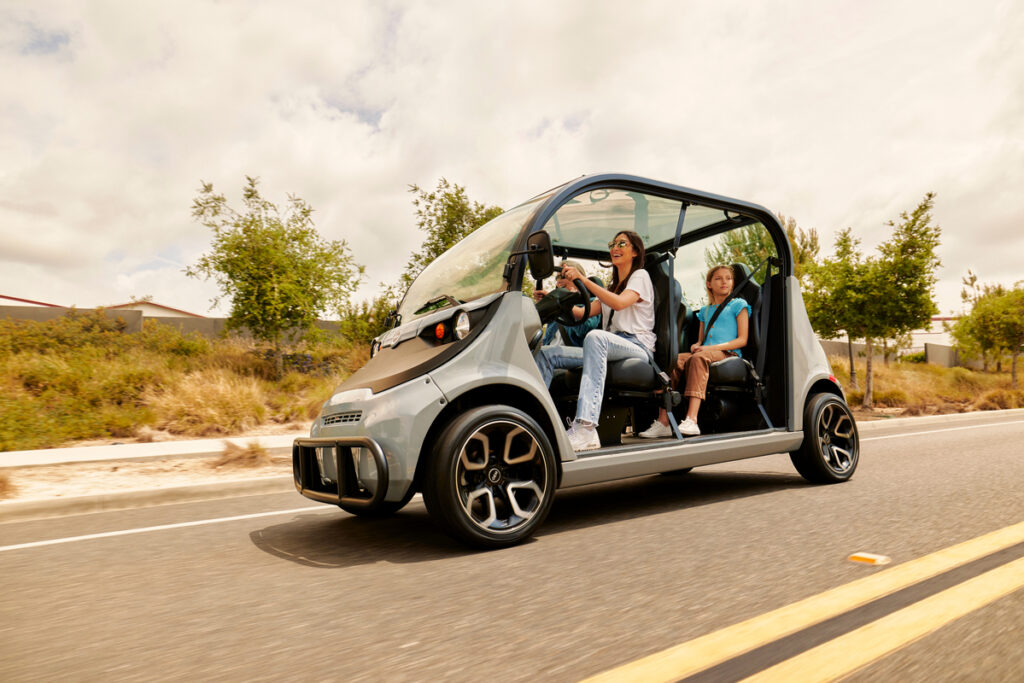
At its core, a Low Speed Vehicle (LSV) is a federally recognized classification of motor vehicle, distinct from golf carts, Neighborhood Electric Vehicles (NEVs), and full-speed passenger cars. The United States National Highway Traffic Safety Administration (NHTSA) defines an LSV through specific performance and equipment constraints, distinguishing it from off-road utility vehicles or standard highway-legal automobiles.
The Speed Threshold
The defining characteristic of an LSV is its top speed. By federal regulation, these vehicles are manufactured with a maximum attainable speed of more than 20 miles per hour but no more than 25 miles per hour. This speed cap is intentional; it is designed to ensure safety in suburban environments, gated communities, and planned urban districts where the infrastructure is not designed for high-speed traffic. If a vehicle exceeds 25 miles per hour, it is no longer classified as an LSV and must meet the much more rigorous federal motor vehicle safety standards (FMVSS) required for highway-legal cars.
Weight and Power Constraints
Beyond speed, LSVs are governed by weight limitations. Typically, these vehicles must have a Gross Vehicle Weight Rating (GVWR) of less than 3,000 pounds. This lighter profile allows them to operate more efficiently, particularly when equipped with electric powertrains. The lower weight also mitigates potential damage in the event of low-speed collisions, which is a foundational principle behind their inclusion in pedestrian-friendly and mixed-use transit zones.
Essential Equipment Requirements
To be street-legal, an LSV must be equipped with specific safety features that a standard golf cart often lacks. These include, but are not limited to:
- Headlamps and taillamps.
- Front and rear turn signals.
- Stop lamps and reflex reflectors.
- A rearview mirror and side-mounted mirrors.
- A parking brake.
- A windshield that meets specific safety glass standards.
- Seat belts for all occupants.
- A Vehicle Identification Number (VIN).
Without these federally mandated safety components, a vehicle may be relegated to off-road use only, such as on private golf courses or within private industrial parks, and cannot be operated on public streets.
The Utility of LSVs: Practical Applications and Economic Advantages
The rise of the LSV is not an accident of engineering; it is a response to specific economic and logistical pressures. Businesses and private citizens are increasingly turning to LSVs to solve the “last mile” problem and to reduce the high costs associated with operating full-sized combustion vehicles.
Commercial Fleet Efficiency
For businesses operating in campuses, hospitality resorts, large industrial facilities, or dense urban city centers, the LSV represents a significant financial upgrade over traditional trucks or vans. The primary advantage lies in operational expenditure (OpEx). Because LSVs are almost exclusively electric, they eliminate the need for fossil fuels, reducing energy costs per mile by a significant margin.
Furthermore, maintenance costs are substantially lower. With fewer moving parts than an internal combustion engine—no transmissions, complex cooling systems, or emissions equipment—LSVs require less frequent servicing and have a longer lifecycle in low-duty cycles. For property management firms or delivery services handling short-distance routes, the LSV acts as a cost-efficient workhorse that maximizes ROI.
Personal Mobility and Neighborhood Connectivity
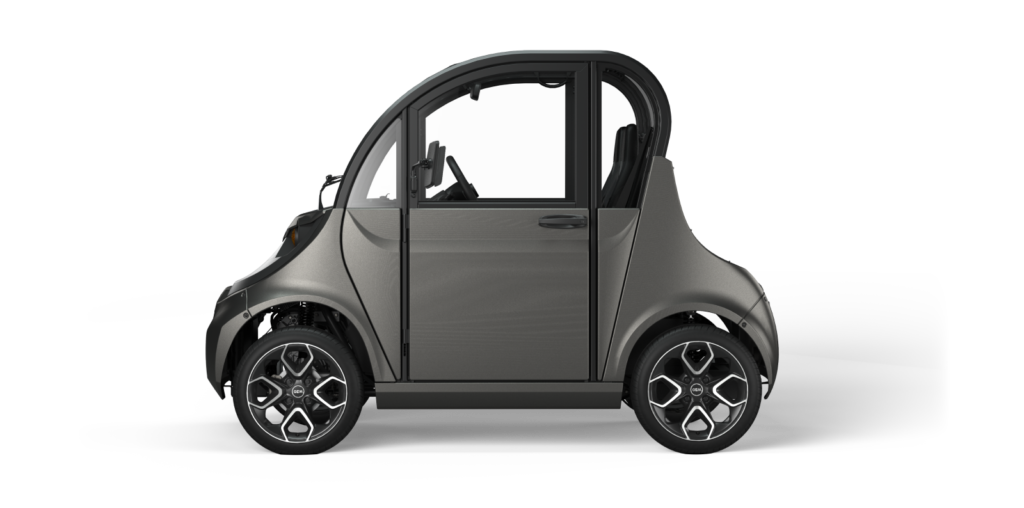
In the personal finance sphere, the LSV has gained traction as a secondary household vehicle. With the average cost of a new full-size vehicle climbing steadily, many households are reconsidering their reliance on multi-car fleets. For errands like grocery shopping, school runs, or visiting neighbors within a specific radius, an LSV offers a tax-efficient, low-maintenance, and low-insurance alternative.
Additionally, the environmental impact of LSVs makes them attractive for households looking to lower their carbon footprint. By replacing a 4,000-pound SUV with a 1,500-pound LSV for local trips, users effectively reduce the energy intensity of their daily commutes, aligning personal financial decisions with broader sustainable living goals.
Navigating the Regulatory Landscape and Insurance
One of the most frequent misconceptions regarding LSVs is that they operate under the same legal umbrella as standard vehicles. In reality, the regulatory landscape is fragmented, and potential owners must navigate state and local ordinances before integrating these vehicles into their daily routines.
State-Specific Restrictions
While federal law sets the baseline for the “what,” state and local municipalities dictate the “where.” Most states permit the use of LSVs on public roads, but often with strict limitations on the maximum speed of the roads being traveled. It is common for local ordinances to restrict LSVs to roads with posted speed limits of 35 miles per hour or less.
Prospective owners must verify local ordinances in their specific jurisdiction. Some cities require an LSV to be registered and titled with the Department of Motor Vehicles, necessitating the same administrative processes as a standard passenger vehicle. Ignoring these local requirements can lead to fines or the impoundment of the vehicle, turning a cost-saving measure into a significant financial liability.
Financial Protection and Insurance
Because LSVs are considered motor vehicles, standard homeowners’ or renters’ insurance is rarely sufficient to cover them. Owners must secure specialized automobile insurance. The financial risk profile for an LSV differs from a standard car; while the speed is lower, the vehicle’s structural protection in a collision with a standard car is significantly reduced.
Investors or business owners incorporating LSVs into a fleet must conduct a thorough risk assessment. Insurance premiums for LSVs are generally lower than those for full-speed vehicles, but liability coverage remains essential. Understanding the deductible structure and the specific language regarding “street-legal” status in the insurance policy is critical for protecting the asset against unforeseen financial loss.
The Future of Micro-Mobility and Business Integration
As we look toward the future, the LSV is poised to become a staple of urban planning and corporate mobility strategies. The ongoing shift toward electrification in the automotive sector provides a perfect tailwind for the LSV market, as battery technology becomes more affordable and energy-dense.
The Impact of Autonomous Tech
The next frontier for the LSV sector is the integration of autonomous driving software. Because these vehicles operate within constrained, lower-risk environments, they are ideal candidates for early-stage autonomous testing. We are already seeing the emergence of autonomous LSV shuttles on corporate campuses and in university settings. This represents a massive shift in corporate strategy—from owning depreciating assets to purchasing “mobility as a service,” where automated LSVs can be utilized on-demand to move people and goods across short distances.

The Evolution of Fleet Management
For companies managing logistics, the LSV is the bridge between human-operated manual labor and fully automated, large-scale supply chain logistics. By leveraging data-driven fleet management software, businesses can track the usage, charging cycles, and maintenance needs of their LSV fleets in real-time. This level of digital oversight allows for granular control over operational costs, enabling managers to forecast expenses and adjust fleet sizes based on actual demand rather than speculative projections.
In conclusion, the Low Speed Vehicle is a sophisticated tool that occupies a necessary niche between heavy automotive infrastructure and pedestrian movement. It is a vehicle designed for precision, cost-effectiveness, and sustainability. For the individual investor, it offers a pragmatic way to lower transportation overhead. For the business leader, it presents a compelling case for operational streamlining. As urban centers continue to prioritize efficiency and environmental impact, the role of the LSV will only expand, reinforcing its position as a pillar of modern, intelligent transportation systems. Whether for personal use or large-scale logistical utility, the LSV stands as a testament to the fact that, in the world of mobility, sometimes the smartest way forward is the one that moves at a measured, intentional speed.
aViewFromTheCave is a participant in the Amazon Services LLC Associates Program, an affiliate advertising program designed to provide a means for sites to earn advertising fees by advertising and linking to Amazon.com. Amazon, the Amazon logo, AmazonSupply, and the AmazonSupply logo are trademarks of Amazon.com, Inc. or its affiliates. As an Amazon Associate we earn affiliate commissions from qualifying purchases.