
The modern automobile is a masterpiece of synchronized mechanical engineering, where hundreds of components must operate in perfect harmony to generate power and maintain reliability. Among these vital parts, the cam belt—frequently referred to as the timing belt—stands out as the silent choreographer of the engine’s internal dance. Understanding what this component is, why it is critical, and how it impacts your vehicle’s long-term health is essential for any responsible car owner.
The Mechanical Role of the Cam Belt
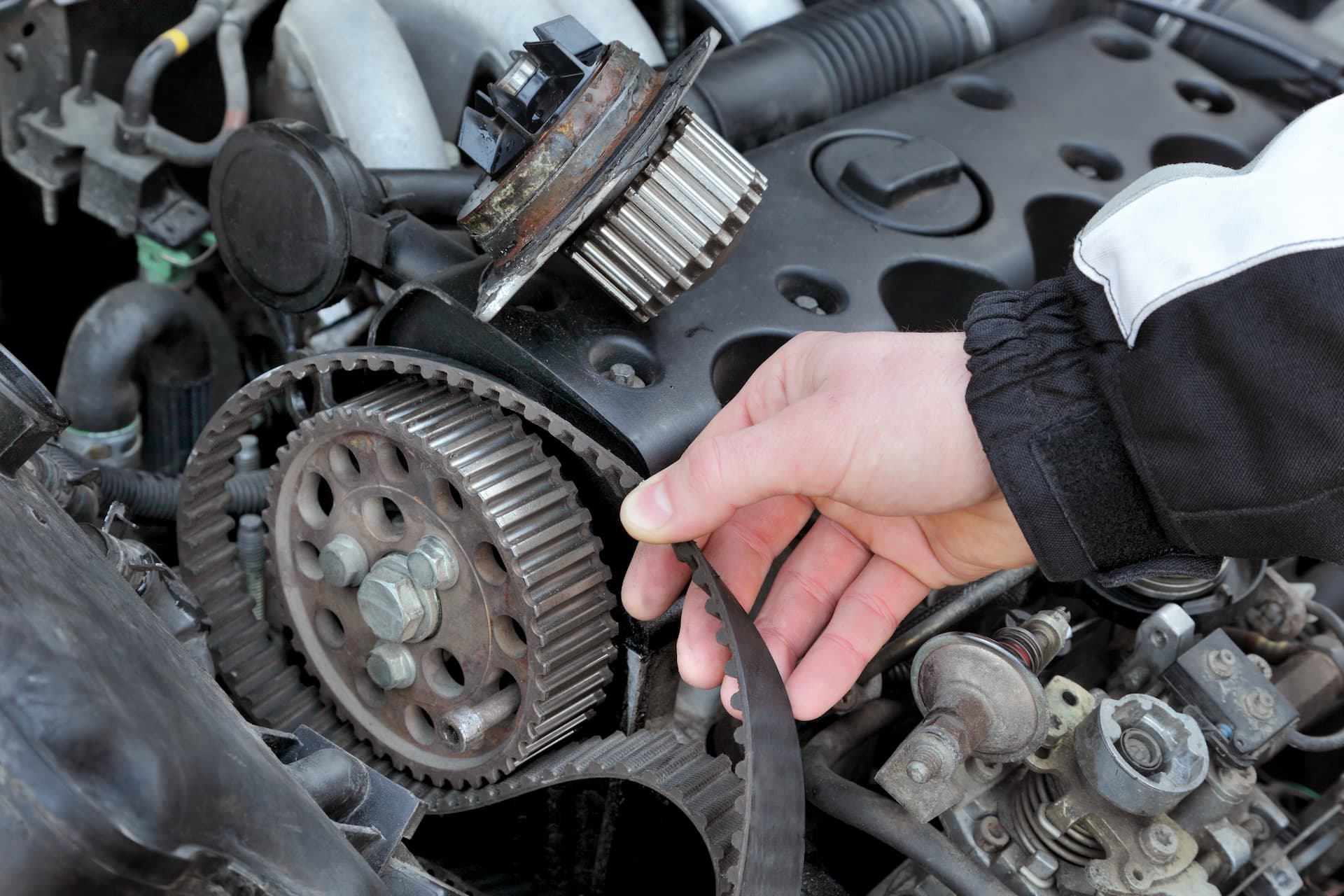
At its core, the cam belt is a reinforced, high-strength rubber belt with internal teeth designed to interlock with the sprockets of the engine’s crankshaft and camshaft. Its primary function is to synchronize the rotation of these two shafts, ensuring that the engine’s valves open and close at precise intervals during the intake and exhaust strokes of the cylinders.

Synchronization and Combustion
In a four-stroke internal combustion engine, the crankshaft dictates the movement of the pistons, while the camshaft controls the opening and closing of the valves. If these two components are not perfectly synchronized, the engine will fail to run efficiently, or worse, sustain catastrophic internal damage. The cam belt acts as the bridge that maintains this critical timing. If the belt slips even a single tooth, the engine’s performance will suffer; if it breaks entirely, the consequences are immediate and severe.
Interference vs. Non-Interference Engines
To understand the urgency of cam belt maintenance, one must distinguish between two types of engine designs. In a non-interference engine, there is enough clearance within the cylinder head that even if the timing is lost, the pistons will not strike the valves. While a broken belt in these engines will leave you stranded, it rarely results in total mechanical destruction.
Conversely, most modern high-performance engines use an interference design. In these engines, the valves extend into the space where the piston travels at its highest point (Top Dead Center). The cam belt ensures that the valves are retracted before the piston arrives. If the belt fails, the piston will slam into the open valves, resulting in bent valve stems, damaged pistons, and frequently, a destroyed cylinder head. This is why strict adherence to replacement intervals is the most important aspect of internal engine maintenance.
Recognizing the Signs of Cam Belt Wear
Unlike many mechanical parts that provide clear audible warnings before failure—such as worn brake pads that squeal or failing wheel bearings that growl—the cam belt is notorious for failing with little to no warning. However, there are subtle indicators that your engine timing system may be reaching the end of its functional life.
Visual Inspection and Age
Because the cam belt is typically hidden behind plastic engine covers, visual inspection is rarely straightforward. However, if your mechanic performs a service and finds the belt is accessible, look for signs of “glazing” (where the rubber becomes hard and shiny), cracking along the ribs, or fraying on the edges. Crucially, the most reliable indicator of a cam belt’s health is time and mileage. Manufacturers provide specific intervals, such as every 60,000 to 100,000 miles or every five to seven years, whichever comes first. Rubber degrades due to age and heat cycling, even if the vehicle has been sitting idle in a garage.

Audible and Performance Anomalies
While a failing belt rarely “whines” in a way that is easily identifiable to the driver, some secondary symptoms might manifest. You may notice an engine that is harder to start, a rough idle, or a persistent misfire. These symptoms occur because the belt has stretched slightly, causing the valve timing to retard or advance beyond the manufacturer’s optimal parameters. If you hear a rhythmic ticking or a slapping sound coming from the engine cover, it may indicate that the belt tensioner is failing, which can lead to a belt jump or total snapping.
Maintenance Strategies and Best Practices
Treating the cam belt as a “wait until it breaks” component is a dangerous and costly gamble. Because the labor required to access the belt often involves removing various engine accessories, it is categorized as a major service item.
The Importance of the Complete Kit
When the time comes to replace your cam belt, it is industry standard to replace the entire timing kit. This kit typically includes the belt itself, the tensioner pulley, and the idler pulleys. The tensioner is a spring-loaded or hydraulic component that maintains constant pressure on the belt. If you replace only the belt but leave an old, worn-out tensioner in place, that tensioner may seize or lose its pressure, causing the new belt to fail prematurely.
Addressing the Water Pump
In many vehicle architectures, the water pump is driven by the cam belt. Because the labor to access the water pump is identical to the labor for the cam belt, it is highly recommended to replace the water pump at the same time. Even if your water pump appears to be functioning correctly, its internal bearings are often near the end of their service life by the time a timing belt needs replacing. Replacing it proactively prevents a future coolant leak that could lead to engine overheating and a second round of expensive labor costs.
Choosing Quality Components
The automotive aftermarket is flooded with low-cost, third-party parts. When dealing with a component as critical as a cam belt, it is unwise to choose budget-friendly alternatives. Always opt for Original Equipment Manufacturer (OEM) parts or high-quality aftermarket components from reputable manufacturers. The cost of a “bargain” belt is negligible compared to the thousands of dollars required to rebuild an engine that has suffered catastrophic timing failure.
The Shift Toward Timing Chains
In recent years, many manufacturers have transitioned away from rubber cam belts in favor of metal timing chains. While a chain is generally more durable and designed to last the lifetime of the engine, it is not entirely maintenance-free.
Belt vs. Chain Dynamics
A timing chain operates in an oil bath and uses a different tensioning system. While a chain is less likely to snap, it can “stretch” over time due to wear on the pins and links. Poor oil maintenance is the primary enemy of the timing chain; if the engine oil is not changed regularly, sludge buildup can clog the hydraulic tensioner, causing the chain to lose its tension. This can lead to a “rattle” on cold start, which is a classic warning sign that the chain system requires immediate professional attention.
Making an Informed Decision
When purchasing a vehicle, it is worth investigating whether the engine uses a belt or a chain. If the car uses a belt, you must factor the replacement interval into your long-term cost of ownership. If you are buying a used vehicle and the seller cannot provide documentation confirming that the cam belt has been replaced at the specified interval, you should assume the belt is overdue and factor the immediate cost of a replacement into your purchase budget.
The cam belt is the literal heartbeat of your vehicle’s combustion process. By respecting the intervals defined by your vehicle’s manufacturer and trusting your maintenance to qualified technicians, you ensure that the complex machinery under your hood remains synchronized, efficient, and reliable for years to come. Neglect may be easy in the short term, but the mechanical and financial consequences of a failure far outweigh the cost of proactive service.
aViewFromTheCave is a participant in the Amazon Services LLC Associates Program, an affiliate advertising program designed to provide a means for sites to earn advertising fees by advertising and linking to Amazon.com. Amazon, the Amazon logo, AmazonSupply, and the AmazonSupply logo are trademarks of Amazon.com, Inc. or its affiliates. As an Amazon Associate we earn affiliate commissions from qualifying purchases.