
In the professional and recreational world of ten-pin bowling, terminology often bridges the gap between physics and colloquial jargon. Among the most misunderstood yet frequently referenced terms is the “Brooklyn.” While the casual bowler might mistake it for a regional style of play or a specific type of ball, the reality is rooted in the geometry of the pin deck. A Brooklyn strike occurs when a right-handed bowler hits the 1-2 pocket instead of the traditional 1-3 pocket, or when a left-handed bowler hits the 1-3 pocket instead of the traditional 1-2. In short, it is a “crossover” strike—a stroke of luck that manages to knock down all ten pins despite hitting the “wrong” side of the head pin.
The Geometry of the Strike: Defining the Brooklyn
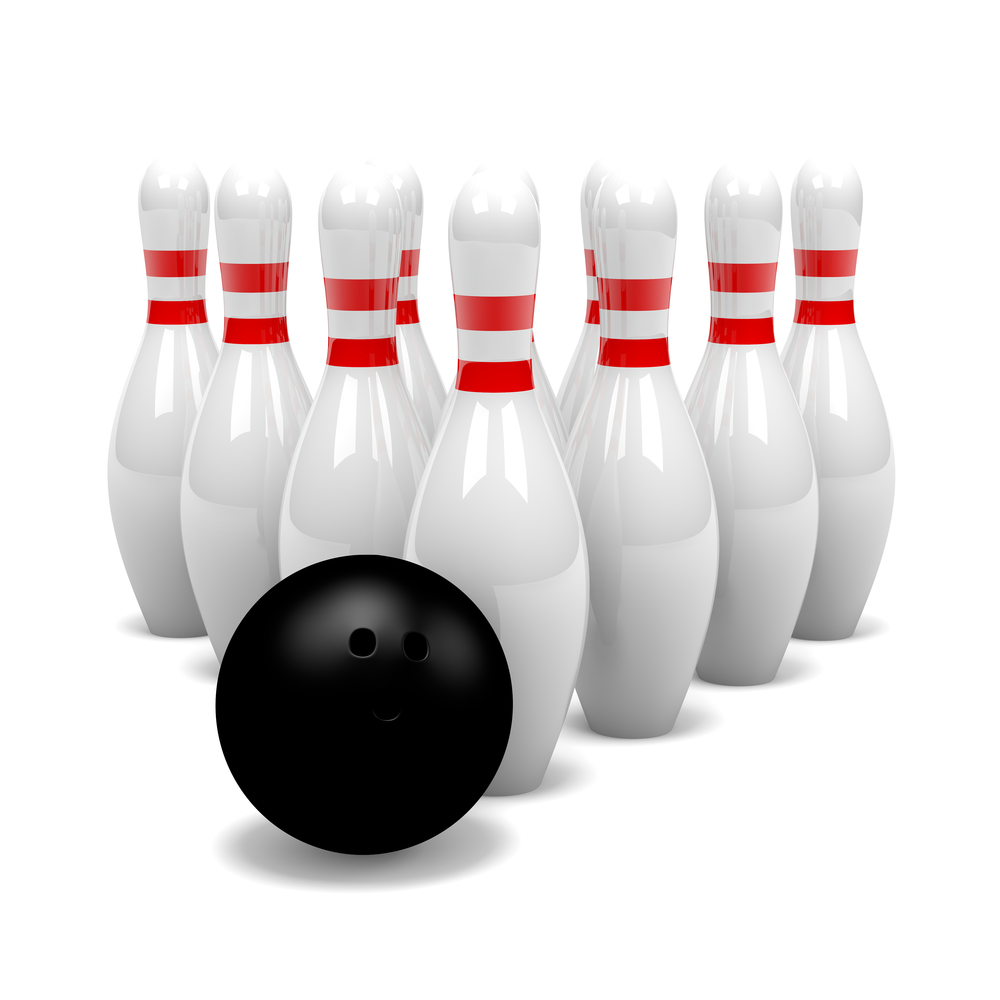
At the heart of bowling success lies the pocket. For a right-handed bowler, the ideal path of the ball is into the 1-3 pocket, located between the head pin (the 1-pin) and the pin immediately to its right (the 3-pin). This entry angle optimizes the chance of a “clean sweep,” where the ball drives through the pins to clear the deck. A Brooklyn strike, by contrast, targets the 1-2 pocket.
Why “Brooklyn”?
The origins of the term are steeped in bowling lore. It is widely believed that the term emerged in the early 20th century, likely in New York. If a bowler threw the ball across the center of the lane toward the “wrong” side of the head pin, it was said that the ball took a “bridge” over to the other side—a metaphorical nod to the Brooklyn Bridge. Over time, the phrase solidified into bowling lexicon, describing any ball that crosses over the head pin to impact the side opposite of the bowler’s dominant hand.
Technical Mechanics of the Crossover
A Brooklyn strike requires a distinct ball trajectory. Because the ball is entering the pins from an angle that deviates from the standard strike line, the physics of the pin action changes. In a standard strike, the ball deflects off the 1-pin and drives through the 3, 5, and 9 pins. In a Brooklyn strike, the ball hits the 1-2 pocket, meaning it pushes the 2-pin toward the left and allows the ball to continue through the 4, 7, and 8 pins. While it produces the same result on the scoreboard, the path of the pins falling is drastically different.
Brand Strategy and the Psychology of the “Lucky Strike”
Within the context of sports marketing and the branding of professional bowling leagues, the Brooklyn strike serves as a fascinating case study in how we value “unconventional success.” When a bowler throws a Brooklyn, it is rarely intentional. In professional settings, a Brooklyn is often treated with a mix of amusement and frustration. This dynamic creates a brand identity for the sport that values precision while acknowledging the inherent chaos of the game.
Marketing the Unexpected
For bowling center operators and equipment manufacturers, the Brooklyn represents the “forgiving nature” of the sport. Marketing materials often emphasize that bowling is accessible to everyone, partly because even a “mistake” can result in a strike. By framing the Brooklyn as a legitimate part of the game rather than a failure, the industry brands bowling as a sport of possibilities. This narrative is essential for increasing engagement among casual players, as it lowers the barrier to entry.
The Professional Perception
Conversely, for professional bowlers, the Brooklyn is a stark reminder of inconsistency. A high-level bowler strives for total control over their release, rev rate, and axis rotation. Hitting a Brooklyn means their ball reaction was either too aggressive or misaligned with the oil pattern on the lane. From a personal branding perspective, professional bowlers often downplay their Brooklyn strikes, viewing them as a lack of execution. This duality—the amateur seeing a lucky break and the pro seeing a technical error—is central to the competitive brand of the PBA (Professional Bowlers Association).
Analyzing Lane Conditions and Ball Motion
If we view the Brooklyn strike through the lens of performance analytics and digital tracking, we see that it is almost always a diagnostic tool. Modern bowling centers utilize complex oil patterns to dictate how a ball moves. A ball that consistently drifts into the Brooklyn side of the head pin is providing the bowler with real-time data regarding the transition of the lane oil.
The Role of Friction
The surface of a bowling ball is engineered for friction. When a bowler hits a Brooklyn, they are observing an excessive amount of hook. This could be due to a breakdown in the oil pattern, where the lane has become “dry” in the middle, causing the ball to turn sharper than anticipated. Recognizing this “crossover” early allows a bowler to adjust their stance or ball speed, effectively using the Brooklyn as a data point to pivot their entire game strategy for the remaining frames.
Precision vs. Luck: Digital Tracking Trends
With the rise of integrated tech in bowling, such as Specto or lane-level sensors, players can now see their entry angles plotted digitally. These platforms show the “Brooklyn side” as a specific sector of the pin deck. For those looking to refine their game, software tools often categorize “Brooklyn strikes” separately from “Pocket strikes” in their performance statistics. This allows the bowler to identify if they are “leaking” their shots too far inside, providing a clear pathway for coaching and improvement.
The Cultural Impact of Bowling Terminology
The language of bowling is a testament to its long-standing history as a social and community-driven sport. Terms like “Brooklyn,” “turkey,” “washout,” and “split” are not just descriptive; they function as a shared dialect that binds participants together. In the business of bowling entertainment, this terminology acts as a foundational element of the customer experience.
Fostering Community Through Shared Jargon
When a group of friends bowls a league, the shared excitement when someone lands a Brooklyn strike—often accompanied by a sheepish grin—builds social cohesion. It is an equalizer. It forces the experienced player and the novice to confront the same physical reality of the pin deck. By maintaining this niche vocabulary, the sport preserves its historical roots while adapting to modern, high-tech environments.
The Future of Bowling Education
As bowling centers shift toward becoming “entertainment hubs,” the need for clear communication is higher than ever. Educational initiatives that explain terms like “Brooklyn” help translate the technical aspects of the game for newcomers. This pedagogical approach is a form of brand strategy that builds long-term loyalty. When a venue successfully teaches its patrons the intricacies of their play—why they hit a Brooklyn and how to avoid it—it elevates the customer from a casual player to a budding enthusiast. This shift is critical for the long-term viability of the sport, moving it from a pastime to a skill-based hobby that invites continuous investment in lessons, equipment, and league participation.
Ultimately, the Brooklyn is more than just a cross-side strike; it is a manifestation of the game’s unique blend of physics, human error, and happy accidents. Whether viewed as an embarrassing technical flaw by a professional or a delightful stroke of fortune by a weekend player, it remains an integral part of the bowling experience. Understanding the Brooklyn allows for a deeper appreciation of the game’s complexity, encouraging bowlers of all levels to look beyond the scoreboard and into the mechanics of the lane itself.
aViewFromTheCave is a participant in the Amazon Services LLC Associates Program, an affiliate advertising program designed to provide a means for sites to earn advertising fees by advertising and linking to Amazon.com. Amazon, the Amazon logo, AmazonSupply, and the AmazonSupply logo are trademarks of Amazon.com, Inc. or its affiliates. As an Amazon Associate we earn affiliate commissions from qualifying purchases.