
The concept of a biodiversity hotspot is one of the most critical frameworks in modern conservation science, bridging the gap between biological urgency and strategic investment. While often discussed in environmental circles, it is fundamentally a matter of high-stakes asset allocation. For those navigating the worlds of finance, impact investing, and sustainable business strategy, understanding the definition of a biodiversity hotspot is essential. It identifies where the “natural capital” of our planet is most concentrated, yet most at risk of total market collapse—in this case, extinction.
The Financial Framework of Biodiversity Hotspots
To understand a biodiversity hotspot from a strategic standpoint, we must move beyond simple ecological observation and view it as a high-value, high-risk portfolio. A biodiversity hotspot is defined by two rigorous, quantitative criteria: it must contain at least 1,500 species of vascular plants as endemics—that is, it must have a high degree of irreplaceable biological “intellectual property”—and it must have lost at least 70 percent of its primary native vegetation.
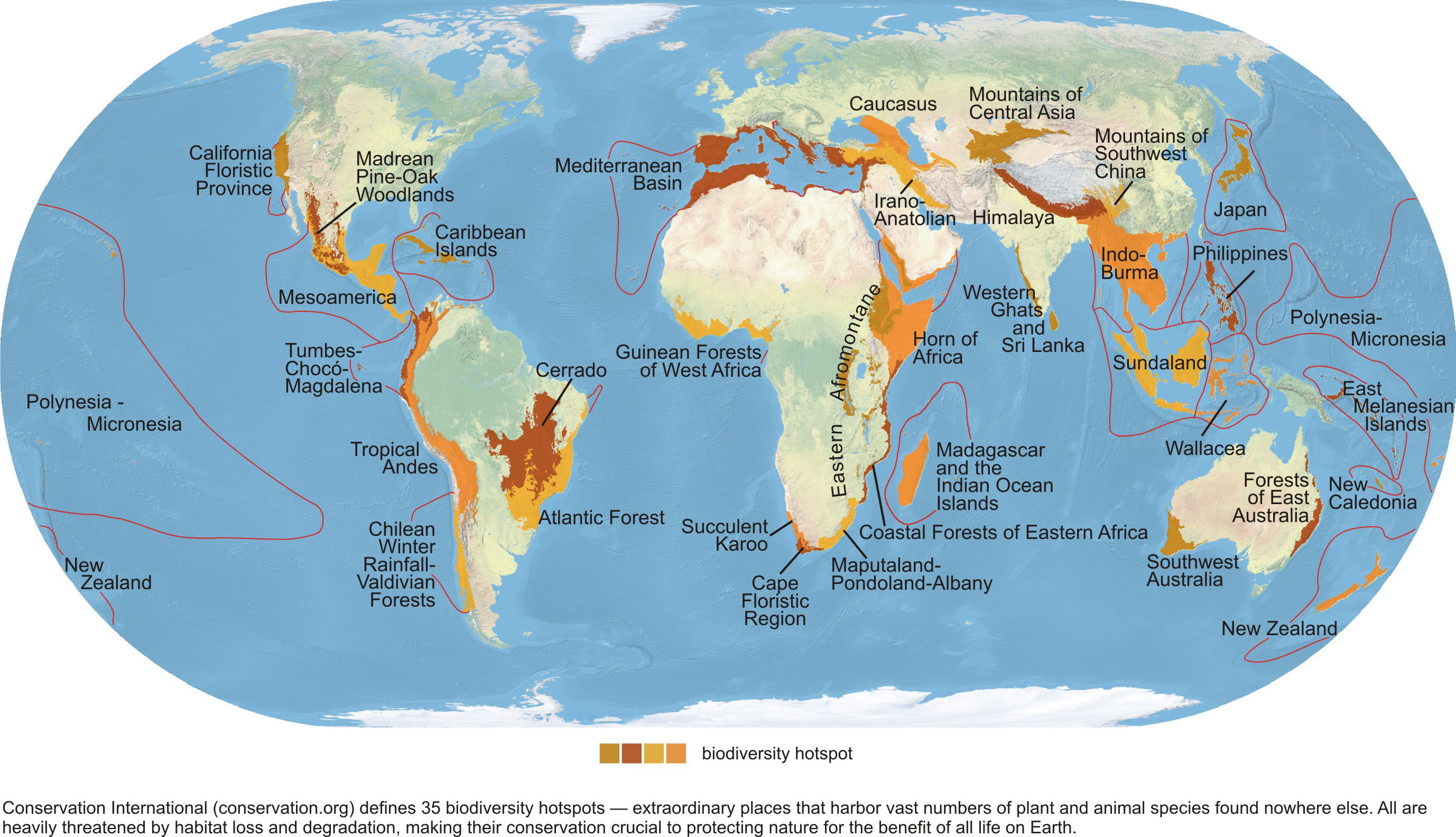
In the language of finance, these areas are effectively the “blue-chip” sectors of the natural world that are currently facing a liquidity crisis. These regions represent a massive concentration of evolutionary innovation that, if lost, cannot be recovered. Just as a business might identify core intellectual property that provides a competitive advantage, the global ecosystem relies on these hotspots for essential services such as carbon sequestration, water purification, and genetic resilience. When these assets are depleted, the “cost of goods sold” for global industries—agriculture, pharmaceuticals, and infrastructure—increases exponentially.
Defining Irreplaceability
The hallmark of a hotspot is endemism. Endemic species are organisms that exist only within a specific geographic range and nowhere else on Earth. From a strategic perspective, these species represent unique “niche markets.” If a species found only in a specific rainforest is lost to development or climate instability, that biological asset is delisted permanently. There is no acquisition, no merger, and no secondary market for recovery. This makes the hotspot an area of extreme scarcity and, consequently, extreme value.
The Threshold of 70 Percent Habitat Loss
The requirement that an area must have lost 70 percent of its primary vegetation is the metric that defines the “risk profile” of the region. It signals that the ecosystem is past the point of stability and has entered a phase of high volatility. In investment terms, this is a distress signal. It indicates that the biological infrastructure is structurally compromised, and the remaining 30 percent of the habitat is under intense pressure from external forces—usually industrial expansion, resource extraction, or rapid urbanization.
Strategic Allocation of Conservation Capital
Understanding the definition of a biodiversity hotspot allows for the sophisticated allocation of conservation capital. Because global resources are finite, impact investors and NGOs use this definition to prioritize where their “capital” can achieve the highest return on investment (ROI). In this context, ROI is measured in ecosystem stability and risk mitigation.
High-Yield Impact Zones
When organizations target hotspots, they are engaging in a strategy of preventative maintenance. It is significantly more cost-effective to protect a functioning, high-biodiversity ecosystem than it is to attempt a restoration project after a “total loss” event. By focusing on the 36 globally recognized hotspots, stakeholders ensure that their financial contributions are targeting the areas with the highest density of biological diversity per square kilometer. This is the ecological equivalent of a venture capital firm focusing on high-growth, high-impact startups rather than attempting to rescue failing, low-potential enterprises.

Risk Mitigation for Global Supply Chains
Many modern corporations are beginning to incorporate biodiversity metrics into their ESG (Environmental, Social, and Governance) reporting. For companies with massive supply chains, the loss of biodiversity in hotspot regions presents a direct threat to supply stability. For instance, coffee, cocoa, and pharmaceutical companies rely on the specific ecological conditions found in these hotspots. By understanding the definition of a hotspot, corporate strategists can map their supply chain exposure against these high-risk areas. If a key supplier is located within a hotspot that is losing its remaining native vegetation, the business faces a systemic risk of supply failure.
The Role of Tech and Data in Mapping Hotspots
The modern definition of a biodiversity hotspot is no longer static; it is powered by real-time data, satellite imagery, and AI-driven monitoring. The intersection of environmental science and technology has created a new standard for asset tracking. We are moving away from manual field surveys toward a system of digital surveillance that allows for the granular monitoring of natural assets.
Satellite Intelligence and Real-Time Monitoring
The identification and ongoing assessment of hotspots now rely heavily on remote sensing. High-resolution satellite data allows us to calculate the exact percentage of habitat loss within a given sector in near real-time. This provides stakeholders with a “ticker” on the health of these vital assets. If a region approaching the 70 percent threshold shows an acceleration in deforestation, the “market sentiment” shifts, and intervention strategies can be deployed immediately.
AI and Biodiversity Analytics
Artificial Intelligence is increasingly used to analyze complex datasets from these hotspots, identifying patterns that are invisible to the human eye. Machine learning models can predict which species are most at risk of extinction based on local climate trends, human encroachment patterns, and historical data. For the investor or the corporate stakeholder, this means moving from reactive conservation to predictive asset management. By leveraging AI to define the precise borders of a hotspot and monitor its vitality, we can effectively manage the planet’s most critical natural assets with the same level of rigor applied to global financial markets.
Scalability and Future-Proofing the Global Portfolio
The definition of a biodiversity hotspot is not a rigid box but a dynamic framework for future-proofing our global economy. As we look toward a future where ESG mandates become more stringent, the ability to define and quantify biodiversity value will become a core competency for businesses and governments alike.
Scaling the Definition to Local Markets
While the 36 global hotspots are the primary focus, the logic used to define them is being scaled down to regional and local levels. Businesses are learning to identify “micro-hotspots”—specific areas within their direct operational footprint that contain high concentrations of natural capital. By applying the hotspot definition—measuring both the uniqueness of the species and the rate of habitat loss—companies can develop localized sustainability strategies that protect their long-term viability.

Long-Term Asset Protection
True long-term value creation depends on the health of the biosphere. The biodiversity hotspot definition reminds us that nature is not merely a backdrop for economic activity; it is the infrastructure upon which all other markets are built. By treating these regions as high-priority, high-risk assets, we shift the conversation from mere “charity” to “strategic solvency.” Protecting these hotspots is not just an ethical imperative; it is a financial necessity to prevent the systemic collapse of the global systems that provide food, clean water, and climate stability.
The biodiversity hotspot is the ultimate metric of global ecological value. It identifies the rare, the irreplaceable, and the endangered. For those who operate in the world of strategy and finance, it serves as a critical guide to where we must concentrate our efforts if we want to ensure the stability of the global portfolio for generations to come. The definition is clear: when we lose a hotspot, we don’t just lose nature; we lose the foundational assets that sustain our collective future.
aViewFromTheCave is a participant in the Amazon Services LLC Associates Program, an affiliate advertising program designed to provide a means for sites to earn advertising fees by advertising and linking to Amazon.com. Amazon, the Amazon logo, AmazonSupply, and the AmazonSupply logo are trademarks of Amazon.com, Inc. or its affiliates. As an Amazon Associate we earn affiliate commissions from qualifying purchases.