
The visual identity of a farm, a community, or a rural business is often tied to the physical environment in which it operates. In the world of design and visual branding, the “barn quilt”—a large, painted square mounted on the side of a barn or outbuilding—has evolved from a folk art tradition into a powerful tool for place-making, regional marketing, and authentic brand storytelling. While many view them simply as decorative heritage pieces, their role in modern landscape design and community branding is profound, offering a masterclass in geometric clarity and visual recognition.
The Design Anatomy of the Barn Quilt
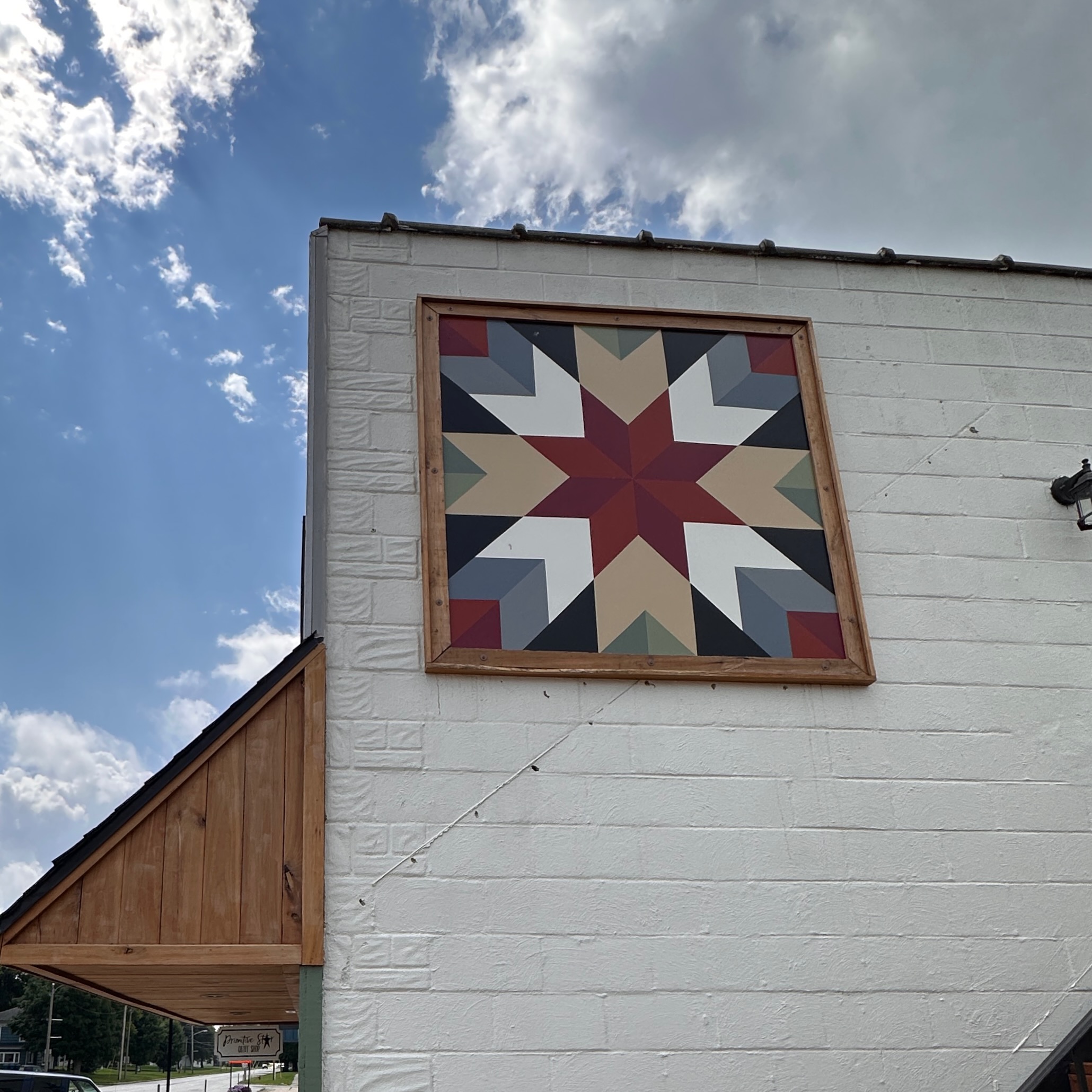
At its core, a barn quilt is a piece of geometric art. Typically painted on high-quality exterior-grade plywood or aluminum composite panels, these squares feature repeating patterns derived from traditional fabric quilting blocks. For a designer, the barn quilt serves as a prime example of high-contrast, scalable graphic design.
Geometric Precision and Visual Impact
Because these designs are viewed from a distance—often from a moving vehicle on a rural road—they rely on bold, primary or secondary color palettes and strict geometric arrangements. A “Sawtooth Star” or a “Churn Dash” pattern utilizes the same principles as a modern logo: negative space, symmetry, and legibility. From a design strategy perspective, the barn quilt acts as a massive, permanent outdoor icon. Just as a brand logo must remain recognizable when scaled down to a favicon, the barn quilt must remain intelligible when scaled up to an eight-foot canvas viewed at sixty miles per hour.
Materiality and Longevity
The professional execution of a barn quilt requires an understanding of durability and material science. To ensure that the visual identity remains untarnished by the elements, designers utilize professional-grade paints and sealants. This commitment to maintenance reflects the core tenet of corporate identity: consistency. A fading or peeling barn quilt sends a message of neglect; a crisp, vibrant, well-maintained installation signals institutional stability and pride. For businesses incorporating these designs into their own brand assets, the choice of substrate—be it MDO board or heavy-duty aluminum—is as critical as the choice of a font or brand color palette.
Barn Quilts as a Tool for Regional Brand Strategy
In the context of place-making, the barn quilt has transformed from an individual aesthetic choice into a collaborative branding vehicle. The rise of “Quilt Trails”—organized routes that lead travelers from one installation to the next—is a brilliant exercise in rural economic development and tourism branding.
The Power of the “Trail” Concept
A quilt trail is, effectively, an experiential brand. It functions like an outdoor museum or a curated exhibition that encourages geographic exploration. By clustering these visual assets, communities create a cohesive narrative that links disparate businesses and farms under a single, identifiable umbrella. For local businesses or farms, participating in such a trail is a strategic branding decision. It aligns their location with a larger network, essentially “co-branding” with the entire community. This increases foot traffic, creates social media-friendly landmarks, and elevates the profile of the area through a shared aesthetic standard.

Storytelling Through Symbolism
Every quilt block pattern has a historical name and, often, a specific narrative. Choosing a pattern is not merely a decorative act; it is a selection of symbolism that represents the brand identity of the farm or business. Does the chosen pattern symbolize “Harvest Sun” to denote growth and agriculture? Or perhaps a “Compass” to signify a navigational guide for travelers? By selecting patterns that align with their mission, owners are engaging in sophisticated narrative branding. The barn quilt acts as an external signifier of the brand’s history, values, and vision, bridging the gap between historical heritage and contemporary professional branding.
Incorporating Traditional Design in Modern Identity Systems
The influence of the barn quilt is increasingly seen in modern graphic design, where designers draw inspiration from the clean lines and modular nature of these patterns to create contemporary logos and environmental graphics. The aesthetic of the barn quilt—structured, reliable, and geometric—resonates with current trends toward authenticity and “slow design.”
Modular Design Systems
Modern branding often relies on the concept of a modular design system, where a core set of shapes or colors can be rearranged to serve different functions. The barn quilt is the original modular design system. Designers can look to the grid-based logic of these patterns to understand how to build flexible, scalable identities. By analyzing how a traditional block is constructed, a modern brand strategist can learn to create “geometric signatures” that are easily replicable across different media, from web icons to signage systems.
Authenticity as a Market Differentiator
In an era dominated by hyper-digital marketing and minimalist tech branding, the rustic, handcrafted, and human-centric nature of the barn quilt provides a necessary contrast. Brands that utilize these design cues often do so to signal authenticity. By incorporating elements of the barn quilt into their brand design, companies can tap into the emotional resonance of “handmade” quality, even when the underlying technology or production process is cutting-edge. This juxtaposition between the traditional visual language of the barn quilt and modern business operations can be a powerful differentiator in a crowded marketplace, positioning a brand as both accessible and historically grounded.
Managing the Visual Landscape
While barn quilts are a celebrated folk art, they also represent a specific form of environmental branding that requires intentional management. For local business owners, planners, and brand consultants, the placement and selection of these designs must be handled with the same rigor as any other environmental graphic design project.
Achieving Consistency and Harmony
The effectiveness of a barn quilt as a branding tool relies on its relationship to its environment. A chaotic, high-clutter installation can detract from the brand rather than enhance it. Professional consultation on placement ensures that the installation complements the architecture of the barn rather than overwhelming it. This is a lesson in negative space and balance—principles that are as vital for a billboard or a website as they are for a farm building.

Leveraging Digital Integration
Today, the physical presence of a barn quilt is frequently amplified by digital strategies. QR codes on signage, Instagram-ready “photo op” locations, and geotagging on digital maps allow the physical brand identity to transition seamlessly into the digital sphere. When a farm or business treats its barn quilt as a digital touchpoint, they extend the reach of their brand far beyond the physical road. By documenting these installations, optimizing them for search engines, and integrating them into online travel guides, owners transform a static piece of plywood into a dynamic marketing asset that continuously draws new audiences to their physical location.
Ultimately, the barn quilt is more than a cultural artifact; it is a sophisticated graphic element that serves as a cornerstone of rural place-making. Whether used to unify a community, provide a point of visual interest for a customer, or ground a brand in tradition and reliability, the barn quilt serves as a testament to the enduring power of clear, intentional, and well-executed design. For those looking to build a brand that values heritage, structure, and local impact, the principles guiding the barn quilt—color, geometry, and purpose—remain as relevant as ever.
aViewFromTheCave is a participant in the Amazon Services LLC Associates Program, an affiliate advertising program designed to provide a means for sites to earn advertising fees by advertising and linking to Amazon.com. Amazon, the Amazon logo, AmazonSupply, and the AmazonSupply logo are trademarks of Amazon.com, Inc. or its affiliates. As an Amazon Associate we earn affiliate commissions from qualifying purchases.