
In an era dominated by instantaneous digital transfers, cryptocurrency, and mobile wallets, the humble paper check remains a cornerstone of the global financial system. Whether you are setting up a direct deposit for a new job, authorizing an automated bill payment, or making a significant down payment on a home, the physical check serves as a vital bridge between traditional banking and modern financial management.
Understanding the anatomy of a check is not merely a matter of administrative convenience; it is a fundamental aspect of financial literacy. At the heart of this document lies a string of numbers that dictates exactly where money is coming from and where it is going. For many, the most important of these is the account number. This guide provides an exhaustive look at how to identify your account number, the significance of the other digits surrounding it, and how to manage this information within your broader personal finance strategy.

The Anatomy of a Check: Decoding the MICR Line
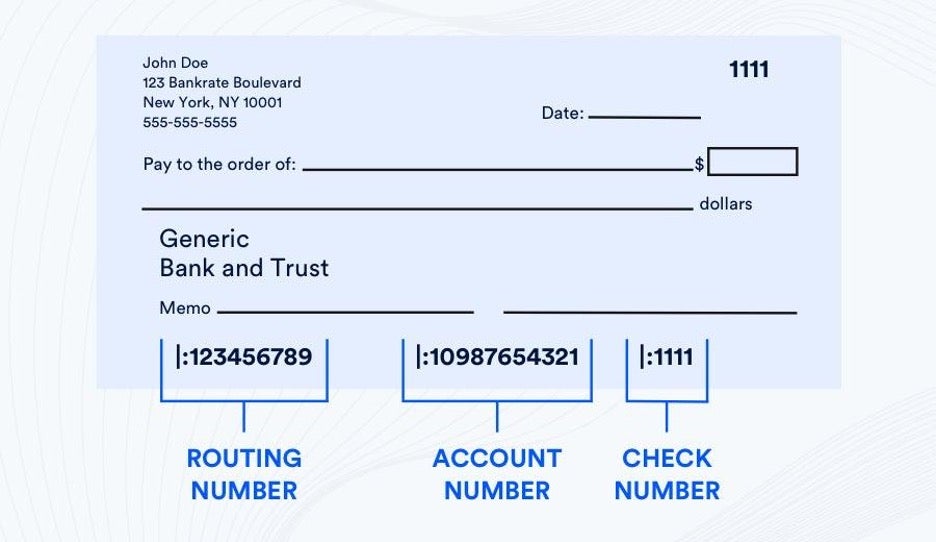
When you look at the bottom of a standard personal or business check, you will notice a series of numbers printed in a unique, slightly blocky font. This is known as the MICR line, which stands for Magnetic Ink Character Recognition. This technology allows specialized bank sorting machines to read the information quickly and accurately, even if the check has been written on or slightly crumpled.
The Routing Number (ABA)
The first sequence of numbers you will typically encounter on the far left of the MICR line is the routing transit number, often referred to as the ABA routing number. This nine-digit code was developed by the American Bankers Association to identify the specific financial institution responsible for the funds.
In terms of financial logistics, think of the routing number as the “address” of the bank itself. It tells the clearinghouse which bank in the United States holds the account. Every bank has at least one routing number, though larger national banks may have several based on the geographical region where the account was opened.
The Account Number
Usually located in the middle of the MICR line, immediately following the routing number and a special separator symbol, is your bank account number. While routing numbers are shared by thousands of customers at the same bank, your account number is unique to you.
The length of an account number can vary significantly depending on the financial institution, typically ranging from 8 to 12 digits. This number is the specific “vault” within the bank where your liquid assets are stored. When you provide this number for a transaction, you are granting permission for funds to be pulled from or pushed into your specific private holdings. On some modern check designs, the account number and the check number may swap positions, but the account number is almost always the longer sequence of digits located between the routing number and the check number.
The Check Number
The shortest sequence of numbers on the MICR line is the check number. This number serves a critical role in your personal bookkeeping and financial security. It should match the number printed in the upper right-hand corner of the check. By tracking check numbers, you can monitor which payments have cleared your account and identify if any checks have been lost or stolen. In the MICR line, the check number is often preceded or followed by an “on-us” symbol that looks like a colon with a dash.
Why Your Account Number is the Key to Your Financial Life
Locating your account number is often the first step in several major financial milestones. Because the account number is a direct link to your cash reserves, it is the primary tool used for establishing recurring financial movements.
Streamlining Income with Direct Deposit
For most employees, the primary use for the routing and account numbers found on a check is the setup of direct deposit. By providing your employer with these numbers—often by submitting a “voided” check—you ensure that your wages are electronically transferred into your account on payday. This eliminates the “float” time associated with waiting for a physical check to clear and provides immediate liquidity for your monthly expenses.
Authorizing ACH and Pre-Authorized Payments
Automated Clearing House (ACH) transfers are the backbone of modern bill pay. When you link your gym membership, mortgage, or utility bill to your checking account, you are providing these entities with your account number. This allows for a “pull” transaction, where the company requests the specific amount due directly from your bank. Understanding exactly where to find this number prevents errors that could lead to returned payment fees or disruptions in service.
The Role of the Voided Check in Business Finance
In business and high-level personal finance, you will often be asked for a “voided check.” This is a standard check with the word “VOID” written clearly across the front in large letters. The purpose of this is to provide the recipient with an authentic copy of your routing and account numbers without giving them a document that can be cashed. It is a safeguard that ensures the banking data is entered correctly into the recipient’s accounting software, reducing the risk of a “fat-finger” error that could send thousands of dollars to the wrong destination.
Security and Fraud Prevention: Protecting Your Account Information
Because your account number is the “key” to your funds, it is a high-value target for bad actors. Financial security is an integral part of wealth management, and protecting the numbers on your checks is a primary defense against identity theft and bank fraud.
The Risk of Check Washing and Forgery
Check fraud remains a multi-billion dollar problem for the banking industry. One common tactic is “check washing,” where criminals use chemicals to erase the ink on a physical check (like the recipient’s name and the amount) while leaving the original signature and the MICR line intact. They then rewrite the check to themselves for a much larger amount. Because your account number is clearly visible at the bottom, they have all the information necessary to drain the account if the bank’s fraud detection systems do not intervene.
Best Practices for Physical Check Security
To maintain the integrity of your personal finance, you should treat your checkbook with the same level of security as your social security card or a large stack of cash.
- Store Checks Securely: Never leave your checkbook in your car or in an unlocked drawer at work.
- Use Permanent Ink: When writing checks, use a gel pen with ink that “traps” into the paper fibers, making it much harder to wash.
- Shred Old Documents: If you close an account or have old, unused checks, do not simply throw them in the trash. Use a cross-cut shredder to ensure that the MICR line, specifically your account number, is unreadable.
- Monitor Your Statements: Check your bank’s mobile app or paper statements weekly. If you see a check number out of sequence or a transaction you don’t recognize, contact your bank immediately to freeze the account.
The Evolution of the Check: Digital Alternatives and the Future of Banking
While knowing how to find your account number on a check is a vital skill today, the financial landscape is shifting toward “checkless” banking. Understanding these alternatives is essential for any modern investor or consumer looking to optimize their cash flow.
Electronic Funds Transfers (EFT)
Most of the transactions that previously required a physical check are now handled via EFT. This is a broad term that covers everything from wire transfers to Venmo payments. Even in these digital formats, the “account number” and “routing number” remain the foundational data points. Whether you are using a smartphone app or a bank’s web portal, the system is essentially creating a digital version of the MICR line to move your money.
The Check 21 Act and Mobile Deposits
In 2004, the Check Clearing for the 21st Century Act (Check 21) changed the way checks are processed in the U.S. It allowed banks to process digital images of checks rather than the original paper documents. This led to the “Mobile Check Deposit” feature found in almost every banking app today. When you take a photo of a check to deposit it, the software is specifically looking for the routing and account numbers at the bottom. This technology has significantly increased the “velocity of money,” allowing consumers to access their funds faster than ever before.
Virtual Account Numbers and Enhanced Privacy
As a response to security concerns, some forward-thinking financial institutions are beginning to offer “virtual” account numbers. These function like a traditional account number but can be changed or “burned” if they are compromised, without needing to close your entire bank account. This represents the next step in the evolution of the account number—moving away from a static string of digits on a piece of paper toward a dynamic, secure digital identifier.

Conclusion: Mastery of Your Financial Tools
The account number on your check is more than just a sequence of digits; it is a vital coordinate in the global financial map. By understanding how to locate it, how to use it, and how to protect it, you empower yourself to navigate the complexities of personal and business finance with confidence.
Whether you are an entrepreneur managing a corporate payroll or an individual building your first savings plan, mastery of these basic banking documents is the first step toward long-term financial stability. In a world of complex investment vehicles and volatile markets, the ability to accurately manage your foundational banking data remains one of the most practical and important “money moves” you can make. Keep your checks secure, your records organized, and your eyes on the MICR line—the silent engine of your financial life.
aViewFromTheCave is a participant in the Amazon Services LLC Associates Program, an affiliate advertising program designed to provide a means for sites to earn advertising fees by advertising and linking to Amazon.com. Amazon, the Amazon logo, AmazonSupply, and the AmazonSupply logo are trademarks of Amazon.com, Inc. or its affiliates. As an Amazon Associate we earn affiliate commissions from qualifying purchases.