
The Architecture of a Personal Brand Under Adversity
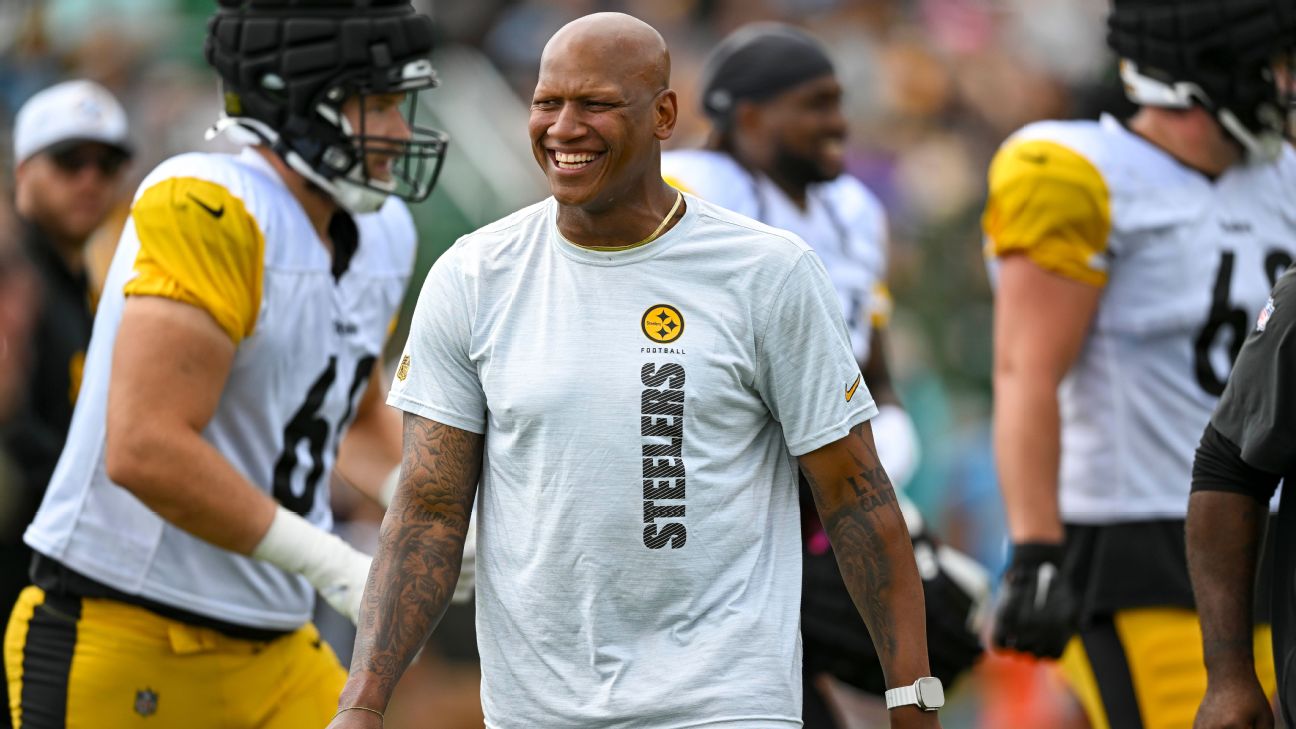
In the high-stakes theater of professional sports, the “personal brand” is often curated through highlights, endorsements, and carefully managed public relations. However, the most profound test of a brand’s integrity occurs when the narrative takes a sudden, involuntary turn. Ryan Shazier’s journey—from a Pro Bowl linebacker for the Pittsburgh Steelers to an inspirational figure—serves as a masterclass in crisis pivot and personal branding. When his career was abruptly halted by a catastrophic spinal injury on live television in 2017, the world didn’t just watch an athlete fall; they watched a brand dismantle and reconstruct itself in real-time.

The Power of Authentic Vulnerability
Traditional sports branding relies on invincibility. It is built on the myth of the superhero, the unshakeable competitor, and the physical marvel. Shazier’s brand was built on these very pillars, yet the moment of his injury forced a shift toward radical transparency. By allowing the public to witness his recovery process—the small, incremental victories of learning to walk again—he transitioned from an icon of athletic dominance to a symbol of human resilience. This shift moved his audience from passive spectators to invested stakeholders. In the world of personal branding, vulnerability is often viewed as a liability, but Shazier utilized it as a strategic asset. By documenting the unvarnished reality of rehabilitation, he established a level of trust that no marketing campaign could simulate.
Controlling the Narrative Post-Crisis
When a professional athlete’s career ends due to injury, the “Brand” usually goes silent. The lack of an exit strategy often results in a brand fading into obscurity. Shazier, however, understood that controlling the narrative meant actively shaping the post-career identity. He refused to let the injury be the final chapter of his professional story. Instead, he repositioned himself as an advocate, a motivational speaker, and an entrepreneur. He leveraged his platform not to sell merchandise, but to sell a mindset. By maintaining consistent engagement with his audience through digital storytelling, he ensured that his brand remained relevant beyond the gridiron. He successfully pivoted from “Steelers Linebacker” to “Resilience Strategist,” proving that a strong personal brand is not tied to a specific profession, but to the values one embodies when the profession is removed.
Transitioning from Athlete to Entrepreneurial Authority
The transition from the NFL to the private sector is a notoriously difficult branding challenge. Many athletes fail because they cling to their former title as their primary source of identity. Ryan Shazier’s transition has been marked by a deliberate diversification of his brand portfolio, moving into media, philanthropy, and business ventures that align with his core mission of recovery and empowerment.

Aligning Brand Values with Actionable Outcomes
A successful brand is not just a message; it is a promise delivered. Shazier’s transition into philanthropic efforts—specifically the Ryan Shazier Fund for Spinal Rehabilitation—solidified his brand’s position as a solution-oriented entity. By creating a tangible support system for others suffering from spinal injuries, he elevated his brand from a passive identity to an active agent of change. This creates a powerful “Brand Equity” that resonates with corporate partners and fans alike. When an individual aligns their public persona with a specific, measurable social cause, it lends an air of professional authority that transcends celebrity. It transforms the athlete from a “product” to a “partner.”
Leveraging Media and Storytelling as Brand Tools
In the modern economy, content is the currency of influence. Shazier effectively utilized podcasts and digital media to retain ownership of his voice. Rather than relying on sports journalism to interpret his life, he began producing his own content. This strategy allowed him to bypass the traditional sports media ecosystem and speak directly to his community. By curating his own interviews and sharing his personal evolution, he cultivated a “Thought Leadership” status. Whether discussing the nuances of recovery or the mindset required to overcome professional stagnation, he has positioned himself as an authority on resilience. This is a critical lesson for any personal brand: the ability to disseminate your own narrative is the ultimate form of digital agency.
The Longevity of a Legacy-Driven Brand
The ultimate goal of any personal brand is longevity—the ability to stay relevant and influential decades after one’s peak performance. Ryan Shazier’s path highlights how tragedy, when handled with strategic intent, can catalyze a brand’s evolution rather than terminate it.
From Reactive to Proactive Branding
Most personal brands operate reactively, responding to news cycles or trends. Shazier’s brand trajectory has shifted from reacting to a tragic event to proactively defining his future. He moved from being the subject of the news to the narrator of his life. This shift is essential for longevity. By focusing on his foundation and his insights into overcoming adversity, he has created a brand that is no longer dependent on his physical ability to play football. The brand is now built on his intellectual and emotional contributions. This decoupling of “Self” from “Performance” is the holy grail of branding for public figures.
Building a Community, Not Just a Following
A follower count is vanity; a community is an asset. Shazier’s branding strategy has consistently focused on building a community of people who are also navigating their own “comebacks,” whether they be physical, professional, or personal. By fostering a sense of shared purpose, he ensures that his influence is sustained. When you build a community around a shared value—such as overcoming adversity—your brand becomes less about you and more about the collective. This makes the brand “anti-fragile.” Even if the initial catalyst (his football career) is gone, the community remains, driven by the shared ethos he established.
Lessons for Personal Branding and Corporate Strategy
For those looking to build a brand that can survive the unexpected, the Shazier model provides three critical pillars:
- The Pivot Strategy: Always define your brand by your values, not your current job description. If the job disappears, the brand persists because the values remain intact.
- Radical Transparency: Use your challenges as touchpoints. Authenticity is a high-demand commodity in a digital world; those who lean into their reality win the long game of trust.
- The Utility Factor: Make your brand useful to others. Whether through a foundation, coaching, or simply sharing a story, providing value beyond yourself ensures that your audience remains engaged long after the initial novelty wears off.
In conclusion, what happened to Ryan Shazier is a story of a professional athlete evolving into a personal brand strategist. He demonstrated that the most effective way to handle a career-ending crisis is to redefine the playing field entirely. By focusing on his story, his message, and his impact, he has successfully transitioned from a man who once tackled players on a field to a man who tackles the limitations of the human spirit. His journey serves as a compelling case study for anyone seeking to build a brand that is not only resilient but legacy-oriented, proving that the end of one chapter is merely the foundation for a much more significant and enduring brand narrative.
aViewFromTheCave is a participant in the Amazon Services LLC Associates Program, an affiliate advertising program designed to provide a means for sites to earn advertising fees by advertising and linking to Amazon.com. Amazon, the Amazon logo, AmazonSupply, and the AmazonSupply logo are trademarks of Amazon.com, Inc. or its affiliates. As an Amazon Associate we earn affiliate commissions from qualifying purchases.