
The digital era has birthed a new breed of celebrity, one defined by algorithmic proximity rather than traditional talent. Among the most infamous examples of the rise and fall of a digital-first personality is the creator known as Onision. While the narrative surrounding his decline is often framed through the lens of controversy, social media management, and behavioral patterns, the professional trajectory of his career offers a masterclass in the disintegration of a personal brand. For those studying the mechanics of influence, his trajectory serves as a definitive case study in how the erosion of audience trust, a lack of pivot strategy, and a failure to adapt to shifting corporate governance standards can dismantle an online empire.
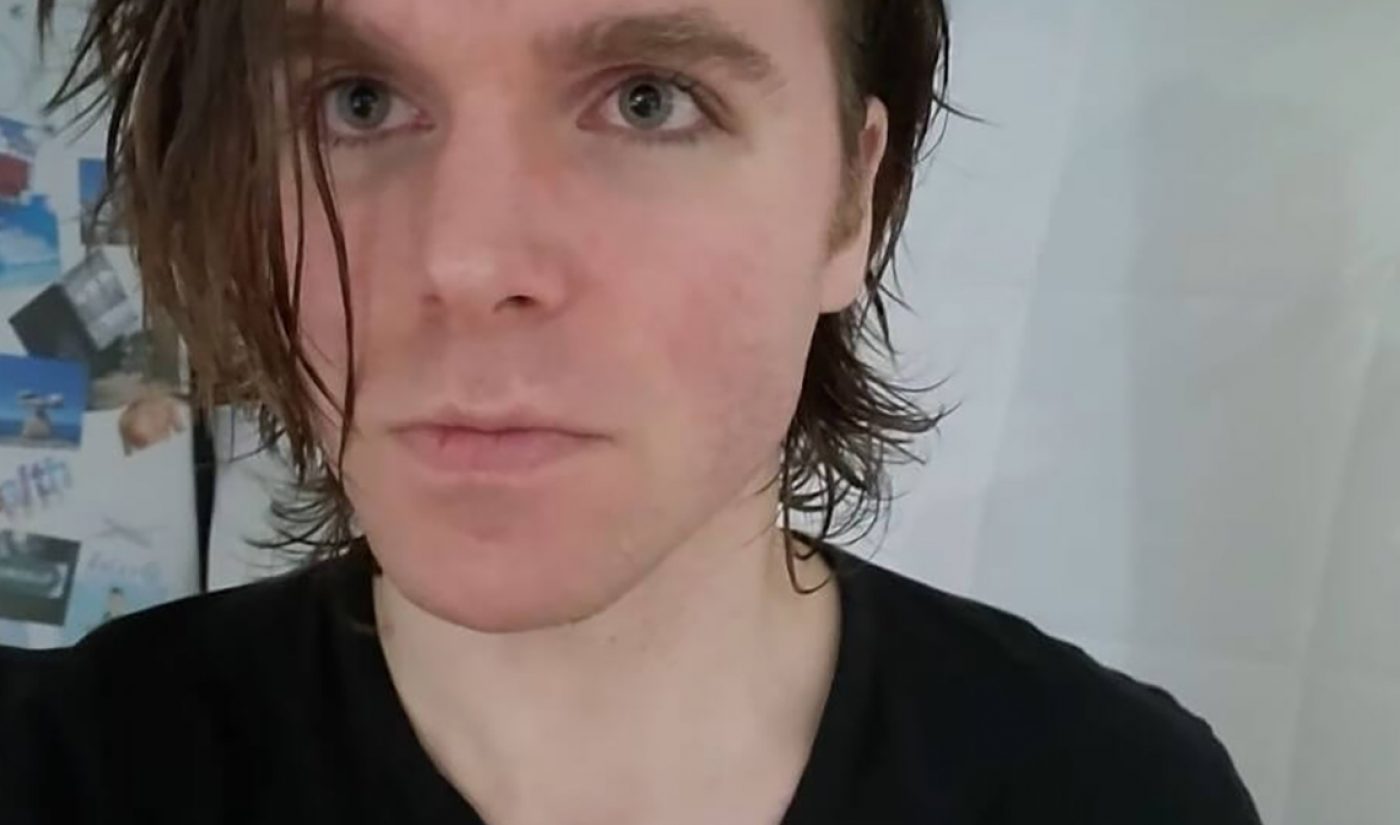
The Architect of Early Digital Influence
To understand the collapse, one must first analyze the foundation. Onision (Gregory Jackson) emerged during the “Wild West” era of YouTube, a time when personal branding was dictated almost exclusively by raw, unedited, and frequently provocative content. His early strategy relied on a blend of shock value, parasocial manipulation, and high-frequency content production.
The Mechanics of Engagement
In the nascent stages of YouTube, engagement was measured by raw click-through rates. Jackson utilized “rage-bait” as a primary growth engine, long before the term became a staple of modern marketing analytics. By creating polarizing personas and engaging in public feuds with fellow creators, he manufactured a constant stream of discourse. For a period, this was a successful—albeit volatile—strategy. It built a loyal, albeit narrow, base and ensured that his name remained at the center of the platform’s cultural conversation.
Branding as a Mirror of the Platform
His brand was essentially a direct reflection of the platform’s early incentives: conflict equals visibility. Unlike creators who focused on vertical niches—such as gaming, beauty, or technology—Jackson’s brand was built on the instability of his own personality. In a corporate environment, this would be classified as an “unstable brand equity” model, where the value of the brand is inextricably tied to the volatility of the individual behind it. As long as the platform rewarded this instability, the model functioned. Once the platform matured, however, the brand became a liability.
The Pivot Point: Brand Devaluation and Platform Evolution
As YouTube transitioned from an experimental space to a formalized, advertiser-friendly ecosystem, the requirements for maintaining a successful personal brand shifted. Professionalization became the standard, and creators who relied on abrasive or controversial tactics found themselves increasingly at odds with the platform’s new monetization policies.
The Advertiser-Friendly Disconnect
The “Adpocalypse” of 2017 marked a seismic shift in how personal brands had to conduct themselves to remain viable. Advertisers began to demand “Brand Safety.” Onision’s brand, built on a foundation of chaotic, often offensive, and highly scrutinized content, was fundamentally incompatible with this new reality. When a personal brand is predicated on antagonism, it cannot easily pivot to a brand-safe identity without alienating the very audience it spent years curating.
The Failure of Audience Diversification
Successful creators often transition from personality-driven content to product-driven content. They launch merchandise lines, software tools, books, or community platforms that provide value outside of their daily vlogs. Jackson’s attempts at brand expansion, such as his various book projects and independent ventures, failed to gain mainstream traction because they were viewed as extensions of a tarnished reputation rather than distinct, high-quality offerings. In the world of professional branding, your secondary products are only as good as your reputation. When the reputation is in decline, it functions as a anchor for any new initiative.
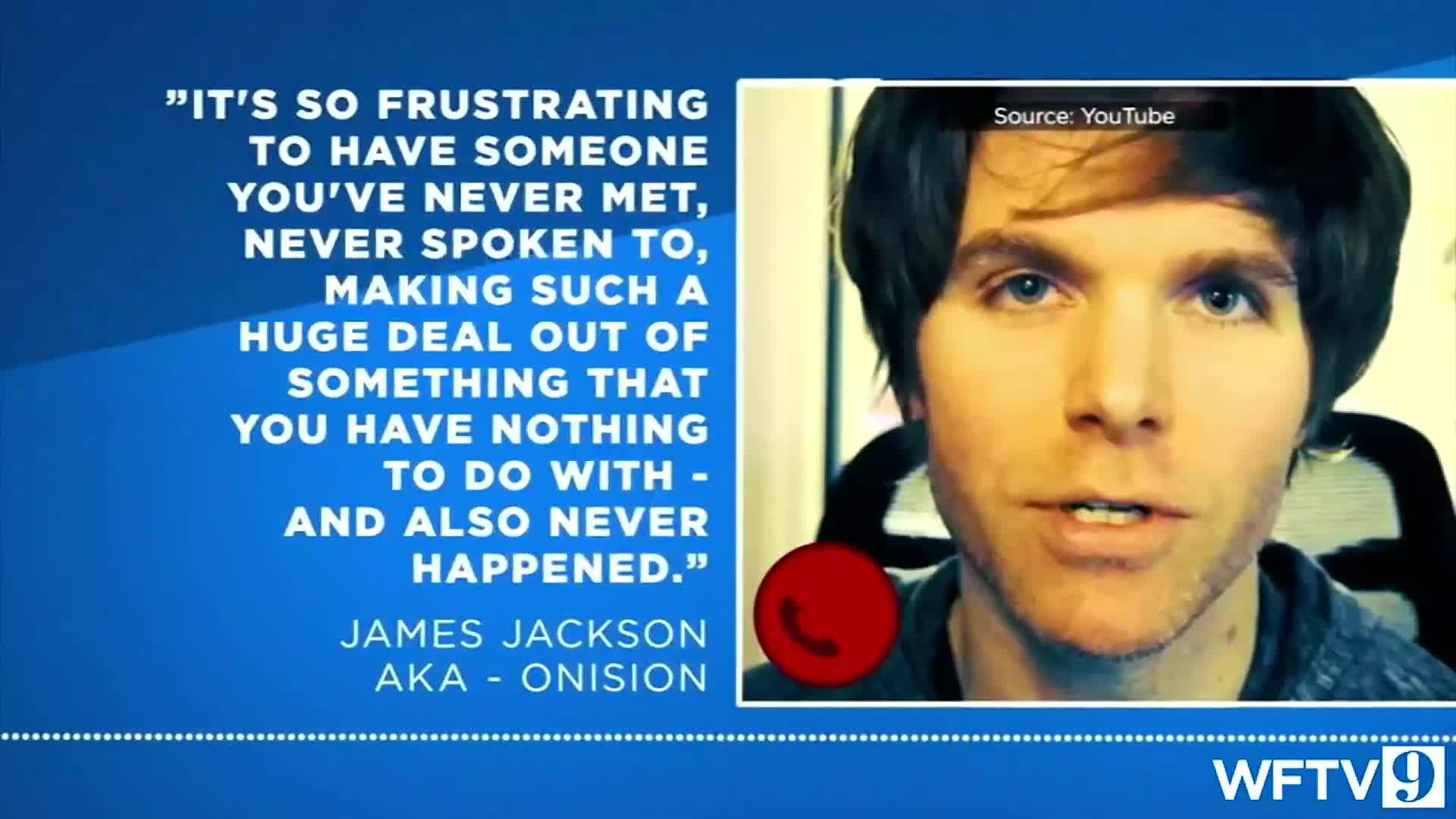
Reputation Management and the Crisis of Trust
In the modern digital landscape, trust is the primary currency. Once a brand loses the trust of its primary stakeholder—its audience—the recovery path is almost non-existent. The disintegration of the Onision brand can be attributed to the accumulation of “reputational debt,” a state where the public perception of an individual becomes so toxic that the costs of association outweigh any potential benefits.
The Feedback Loop of Scandal
The decline was exacerbated by a perpetual cycle of scandals. In corporate communications, a brand crisis is usually managed through transparency, accountability, and a measurable change in behavior. Jackson, conversely, leaned into the chaos. By doubling down on the confrontational nature of his brand during periods of intense public scrutiny, he effectively burned his bridges with the collaborative ecosystem of YouTube. In the professional world, peer-to-peer validation is vital. When other creators and industry partners began to distance themselves from him to protect their own brand equity, the isolation was total.
Platform Decoupling as the Final Stage
The most critical stage of the collapse occurred when the platform itself acted to limit his reach. Through de-monetization, shadow-banning, and eventually, the withdrawal of verification, YouTube effectively signaled that the creator was no longer a viable partner. This is the ultimate danger in building a personal brand exclusively on “rented land”—platforms like YouTube, Twitch, or TikTok. If you violate the Terms of Service or become a reputational risk to the host platform, your access to the marketplace can be revoked in an instant.
Lessons for the Modern Personal Brand
What can aspiring influencers and entrepreneurs learn from the decline of Onision? The case serves as a warning against the dangers of “personality-first” branding that lacks a core value proposition beyond the person itself.
The Shift Toward Sustainable Authority
Modern personal branding focuses on “Sustainable Authority.” This is the practice of building a reputation based on expertise, consistency, and positive community contribution. Unlike the volatility of the early YouTube era, sustainable authority is resilient. It allows a creator to survive individual controversies because the audience is there for the value provided, not just the personality’s reactions to external stimuli.
Diversification Beyond the Algorithm
One of the most profound takeaways is the necessity of owning one’s audience. By relying solely on algorithmic distribution, Jackson was vulnerable to the whims of corporate policy changes. A mature personal brand strategy involves building a “moat”—an email list, a proprietary website, a community portal, or a subscription-based platform—where the creator is not beholden to a single gatekeeper. Had the infrastructure been in place to pivot away from high-conflict content toward a more stable, value-driven model, the outcome might have been different.

Transparency and Corporate Responsibility
Finally, the importance of professionalization cannot be overstated. Today’s top creators operate as CEOs of small media corporations. They employ editors, publicists, and legal teams. They treat their content as professional output rather than an expression of personal whims. The downfall of Onision stands as a stark reminder that in the digital age, a brand is not just what you say about yourself—it is the sum total of every interaction, every controversy, and every pivot point that the public witnesses.
The story of “What happened to Onision” is not merely about a singular creator losing their audience; it is about the evolution of the internet from a playground of personalities into a complex, corporate-governed marketplace. For those looking to build a digital career, it is an essential study in the risks of volatility and the necessity of building a brand that can survive the transition from individual personality to professional institution. In the end, the brands that thrive are those that prioritize longevity over short-term engagement and integrity over artificial controversy.
aViewFromTheCave is a participant in the Amazon Services LLC Associates Program, an affiliate advertising program designed to provide a means for sites to earn advertising fees by advertising and linking to Amazon.com. Amazon, the Amazon logo, AmazonSupply, and the AmazonSupply logo are trademarks of Amazon.com, Inc. or its affiliates. As an Amazon Associate we earn affiliate commissions from qualifying purchases.