
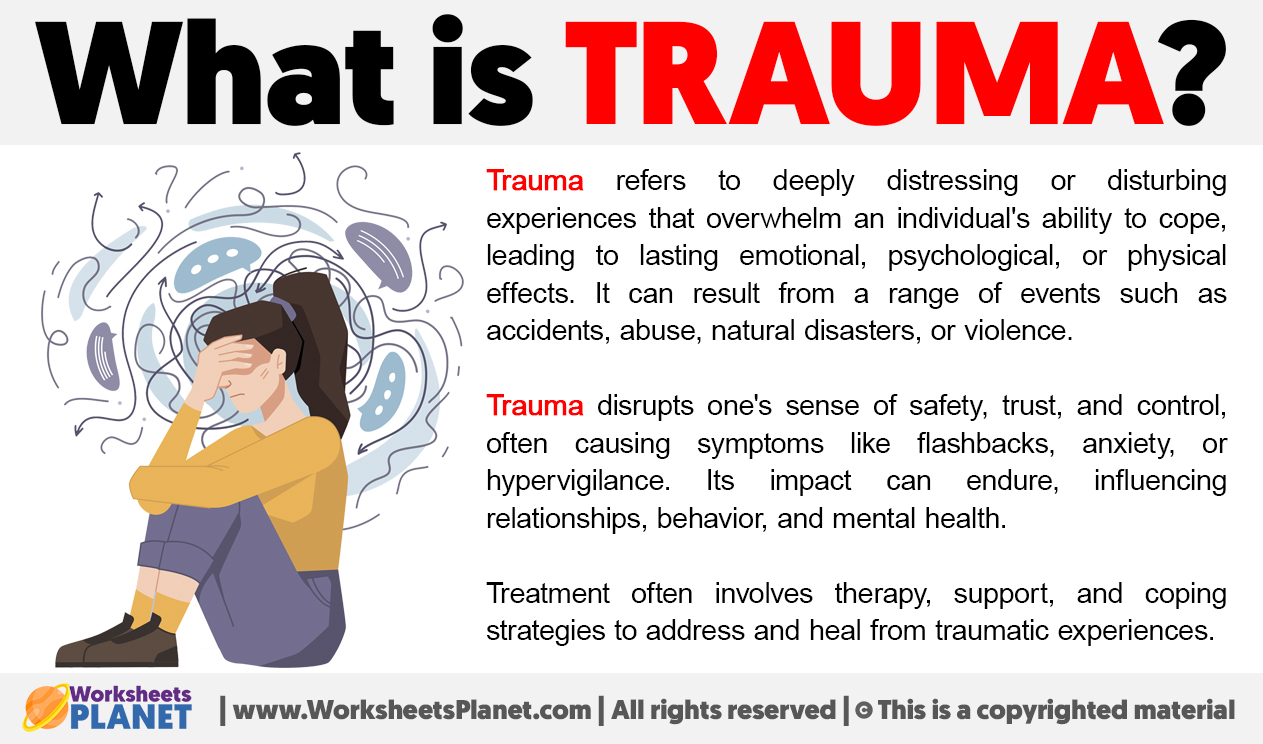
The concept of being “traumatized” has permeated the modern lexicon, often functioning as a catch-all term for any experience that causes significant emotional distress. However, in the realm of professional branding and corporate identity, understanding the nuances of this term is not merely a psychological exercise; it is a vital component of executive presence and authentic leadership. When we strip away the ambiguity, trauma—in a professional context—refers to a deeply distressing or disturbing experience that fundamentally disrupts an individual’s ability to function, innovate, and project authority. For the modern professional, learning to navigate the aftermath of such experiences is essential for maintaining a resilient personal brand.
The Anatomy of Professional Trauma and Its Impact on Personal Branding
In the high-stakes environment of corporate culture, trauma often manifests not as a single cataclysmic event, but as a series of micro-aggressions, systemic failures, or sudden shifts in organizational direction that erode an individual’s sense of self-efficacy. When an individual’s professional foundation is shaken, the external manifestation of their personal brand often suffers.
Defining the Disruptive Event
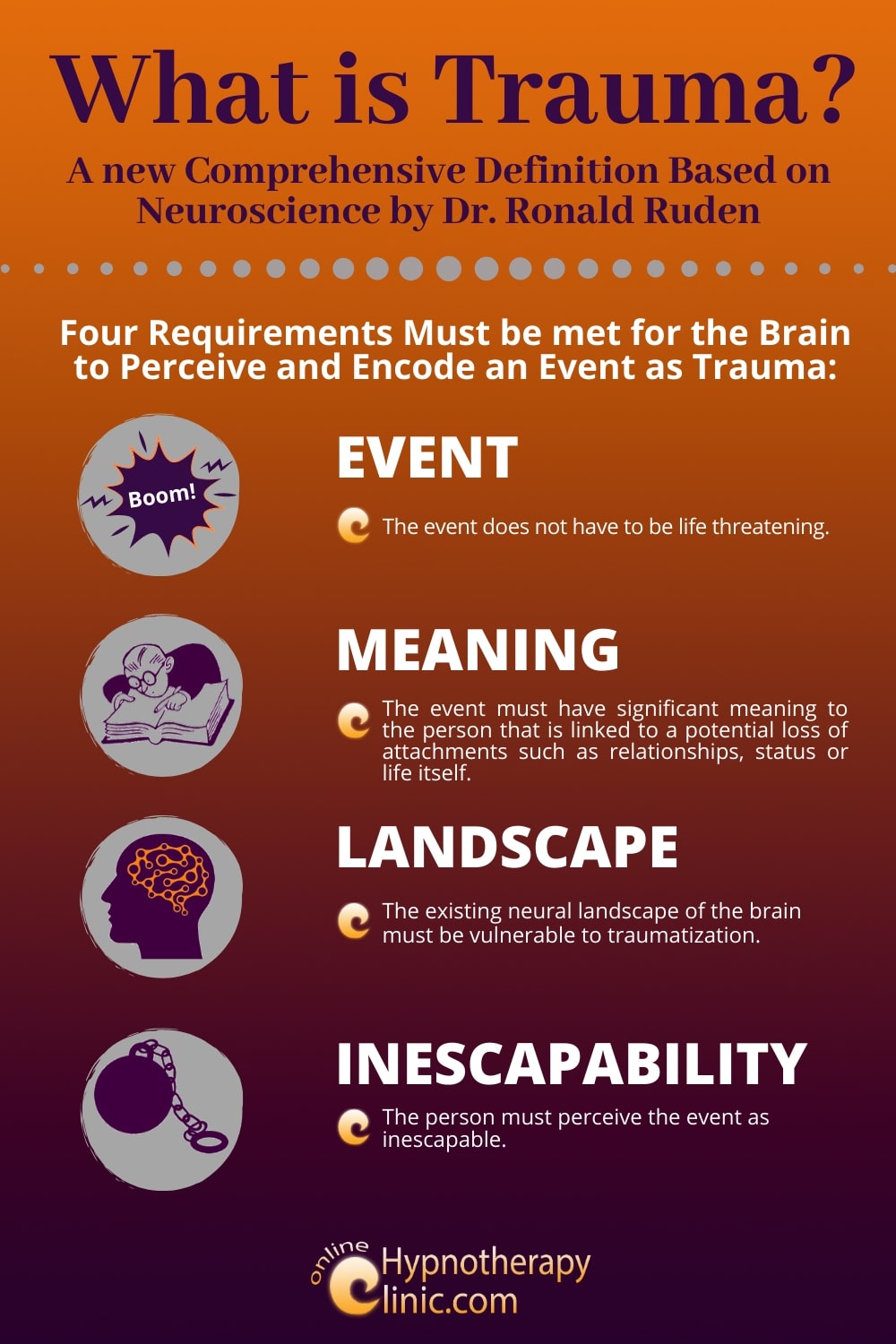
At its core, trauma is a breakdown in the nervous system’s capacity to process events that exceed an individual’s current coping mechanisms. In a career sense, this might look like a public failure, a toxic management transition, or an unexpected layoff. When the professional identity is tethered to these experiences, the result is a brand that feels fragmented. The “traumatized” professional may struggle to maintain the consistency, confidence, and vision that are hallmarks of a strong personal brand.
The Erosion of Narrative Consistency
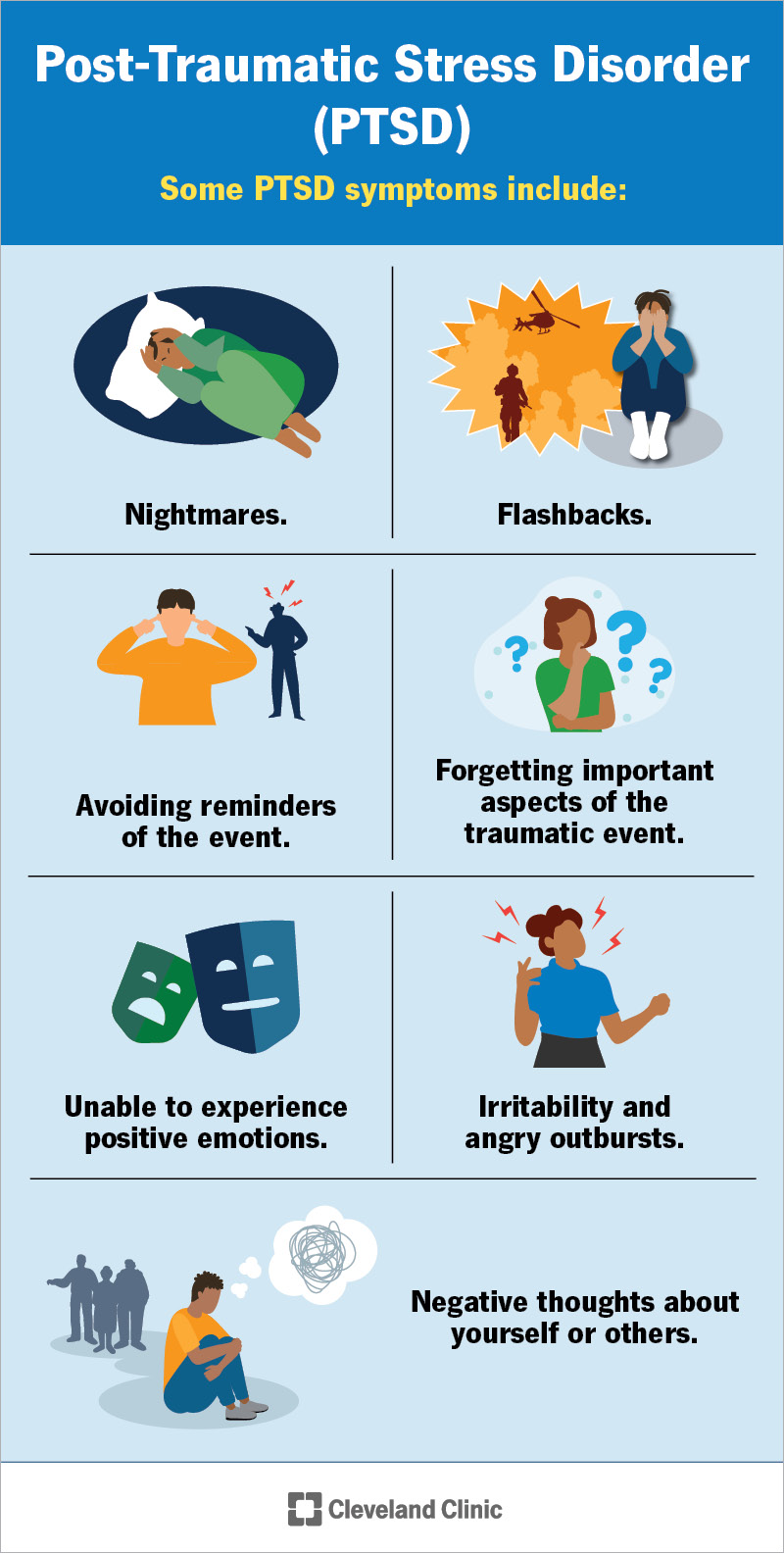
A personal brand is essentially a narrative—a story you tell the world about your value proposition and your future trajectory. Trauma disrupts the continuity of this narrative. When an individual is in the grip of a traumatic stress response, they often find it difficult to articulate their “why” or their unique value. Their outward communication may become defensive, reactive, or inconsistent, causing stakeholders to question the stability of their leadership. Recognizing that the erratic nature of the brand is a symptom of an underlying experience is the first step toward reclaiming narrative control.
Building Resilience as a Pillar of Corporate Identity
Resilience is not just an emotional trait; it is a strategic asset. Organizations today are increasingly looking for leaders who can demonstrate “post-traumatic growth”—the ability to integrate challenging experiences into a stronger, more nuanced professional identity. For those building a personal brand, this means moving from a state of being “traumatized” to a state of being “transformed.”
Reframing the Experience
The most successful personal brands are those that lean into transparency without sacrificing professional boundaries. Instead of viewing a traumatic career event as a blemish or a secret to be hidden, strategic branding experts advise viewing it as a catalyst for growth. This is about narrative ownership. When you can articulate how a difficult experience forced you to adapt, innovate, or pivot, you transition from being a victim of circumstance to an architect of your own evolution. This shift is powerful; it turns a point of vulnerability into a case study of professional fortitude.
Cultivating Authentic Leadership
Authentic leadership requires a high degree of self-awareness. When you understand what it means to be traumatized, you also gain a deeper empathy for your team. A brand that acknowledges the human element of work—that understands the impact of high-pressure environments on mental health—often commands higher levels of loyalty and trust. By normalizing the conversation around professional challenges, you position yourself as a grounded, emotionally intelligent leader. This builds a brand rooted in reality rather than an unattainable, polished facade.
Strategic Communication in the Aftermath of Professional Crisis
Communication is the lifeblood of personal branding. When you have experienced professional trauma, your communication channels often feel compromised. You may overthink your emails, hesitate to speak in meetings, or withdraw from networking opportunities. Rebuilding these channels requires a calculated, step-by-step approach to restoring your public-facing persona.
The Power of Curated Vulnerability
There is a fine line between vulnerability and oversharing. In professional branding, the goal is “curated vulnerability.” This means sharing just enough of your experience to build a bridge of connection with your audience, while keeping the focus on the lessons learned and the value provided. If you have faced a significant setback, sharing the process of how you navigated that setback—rather than just the raw details of the pain—demonstrates resilience. It signals to your peers and potential clients that you are someone who survives, adapts, and succeeds, regardless of the challenges encountered.
Aligning Actions with Professional Vision
A brand is only as strong as the actions that support it. If your goal is to emerge from a traumatizing professional experience with a stronger brand, your actions must align with your desired future self. This might mean setting new boundaries, shifting your focus to different sectors, or seeking mentorship that emphasizes psychological safety. Every move you make should reinforce the narrative that you are a resilient, forward-thinking professional. By acting with intentionality, you signal to your network that you are no longer defined by the crisis, but are instead redefined by your response to it.
The Future of Authentic Branding: Integration and Growth
As we look toward the future of professional development, the integration of psychological awareness into brand strategy will become standard. The era of the “invincible executive” is fading, replaced by a new standard of leadership that values human experience as a metric of depth.
Leveraging Experience as an Asset
The most influential personal brands of the next decade will be those that have navigated significant change. By understanding the true meaning of trauma, you gain the ability to synthesize difficult experiences into powerful brand pillars. Your story becomes your greatest differentiator. When you show that you can handle, process, and recover from professional disruption, you demonstrate a level of stability that is incredibly attractive to top-tier organizations and investors.
Sustaining Long-Term Brand Equity
True brand equity is built over a lifetime of consistent performance and authentic engagement. By addressing the psychological impact of your career path, you ensure that your brand remains healthy and sustainable. You move away from the performative aspects of branding and toward a sustainable identity that can withstand the inevitable cycles of the modern workplace. You are not just building a brand; you are building a legacy of resilience that empowers you to lead with confidence, no matter the circumstances.
In conclusion, “traumatized” is not a status that defines the end of your professional career; it is a chapter that, when navigated with intention, can lead to a more compelling and resilient personal brand. By reframing these experiences through the lens of strategic growth, you can transform the most difficult aspects of your professional journey into the foundation of your future success. Your brand is more than just a logo or a bio; it is the sum total of how you have survived, evolved, and eventually thrived. Own the narrative, lead with the insight that only comes from experience, and build a brand that is as resilient as it is authentic.
aViewFromTheCave is a participant in the Amazon Services LLC Associates Program, an affiliate advertising program designed to provide a means for sites to earn advertising fees by advertising and linking to Amazon.com. Amazon, the Amazon logo, AmazonSupply, and the AmazonSupply logo are trademarks of Amazon.com, Inc. or its affiliates. As an Amazon Associate we earn affiliate commissions from qualifying purchases.