
The Rise of the “Demure” Aesthetic as a Brand Strategy
In the rapidly shifting landscape of social media, viral trends often emerge as ephemeral jokes before crystallizing into legitimate brand archetypes. The “demure” trend, which exploded across platforms like TikTok in late 2024, serves as a masterclass in how personal branding adapts to cultural fatigue. At its core, the trend centers on the concepts of being “very demure, very mindful, very cutesy,” a linguistic pivot that highlights a departure from the “excessive” or “chaotic” influencer persona that dominated the digital space for the better part of a decade.

For brands and personal influencers, understanding the “demure” phenomenon is not about copying the specific vocabulary, but about decoding the shift in consumer psychology. Audiences are currently signaling a preference for understated luxury, intentionality, and a rejection of performative excess. This transition is not merely a social media phase; it is a strategic repositioning of how individuals and corporations communicate value in an attention-starved economy.
From Chaos to Curation
The “demure” movement acts as a direct response to the “Brat Summer” aesthetic—a trend defined by raw, unfiltered, and unapologetically loud energy. When the pendulum swings, it rarely stops in the middle; it moves toward the polar opposite. Brands that spent the last year leaning into high-octane, chaotic marketing are now finding that their audience is craving a return to “mindful” consumption.
This shift signifies a maturation of the influencer economy. Where once creators competed on volume and shock value, they are now gaining traction through a cultivated sense of restraint. This is a critical insight for brand strategists: when the noise floor rises, the most effective way to be heard is to lower your voice.
The Psychology of Mindful Marketing
To leverage the “demure” trend, businesses must move beyond the superficial use of the word and integrate its underlying principles into their core strategy. Being “mindful” in a brand context means prioritizing the user experience over aggressive acquisition tactics. It is about removing the friction that typically clutters the customer journey.
Strategic Restraint in Design
Minimalism has long been a staple of luxury branding, but the “demure” trend brings a new, more conversational layer to it. It’s not just about clean lines and negative space; it’s about the “mindfulness” of the interaction.
- Information Architecture: Are your landing pages “demure”? Are they designed to guide the user gently, or are they cluttered with aggressive pop-ups and urgency-driven timers that scream for attention? Modern branding demands a more sophisticated approach. Reducing cognitive load is the ultimate form of digital mindfulness.
- Tone of Voice: The transition from “loud” marketing to “mindful” marketing requires a change in vocabulary. Brands that speak with a sense of calm authority rather than breathless urgency are building higher levels of brand trust. Consumers are increasingly wary of “hustle culture” marketing; they prefer brands that respect their time and intelligence.
Building Trust Through Intention
“Demure” branding is inherently about authenticity, but not in the “tell-all” way that characterized early influencer marketing. Instead, it is about intentionality. Why does this product exist? How does it serve the user’s life without overwhelming it? By framing products as tools that bring order and grace to a chaotic world, companies can tap into the current cultural zeitgeist of “quiet luxury.”
The Economic Implications of a “Demure” Identity
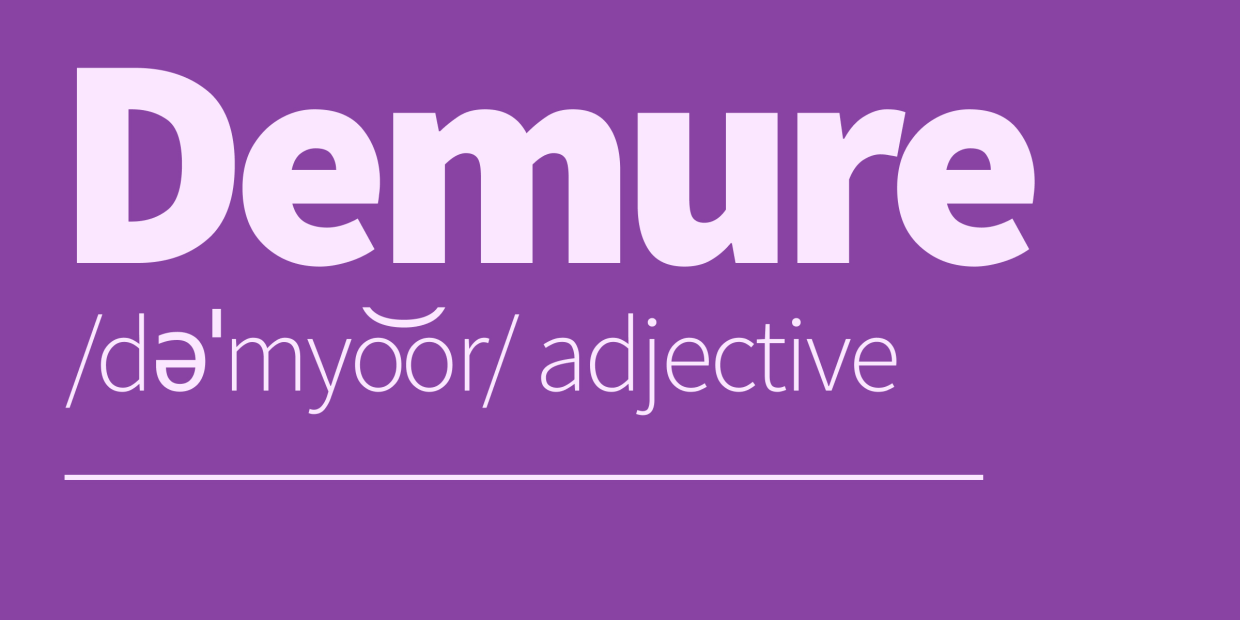
The shift toward a demure aesthetic has significant financial implications for content creators and corporations alike. When a brand adopts a more subdued, mindful persona, it changes its positioning in the market. It moves away from the “impulse buy” category and toward the “investment piece” category.
The Shift in Influencer ROI
Historically, influencer marketing was judged by reach and immediate conversion rates. The “demure” trend suggests a pivot toward long-term brand equity. Creators who cultivate a “mindful” persona are finding that their audiences are smaller but significantly more loyal. For brands, partnering with these creators is less about a quick flash-in-the-pan campaign and more about integrating their product into a lifestyle that promises stability and taste.
Value-Based Consumption
Consumers are becoming increasingly conscious of the “cost” of their attention. When a brand acts in a way that is “very demure,” they are effectively promising the consumer: We will not waste your time. We will not manipulate your emotions. We will offer a product that fits seamlessly into your life.
This is a powerful competitive advantage. In a saturated market, a brand that is “mindful” and “cutesy” in its execution stands out precisely because it refuses to participate in the competitive scramble for maximum volume. By choosing to be demure, a brand differentiates itself as a premium, considered option, allowing it to move away from price-based competition and toward value-based positioning.
Implementing “Demure” into Long-Term Brand Strategy
To translate this trend into a lasting business advantage, companies should avoid the temptation to treat “demure” as a meme to be exploited. Memes die in weeks; brand strategies live for years. The goal is to extract the ethos of the trend and bake it into the brand’s identity.
Audit Your Digital Presence
Start by auditing your current touchpoints. Ask yourself:
- Does our social media content feel like an interruption, or an invitation?
- Is our email marketing designed to overwhelm the subscriber, or to provide clear, mindful value?
- Is our product design “cutesy”—meaning accessible and charming—or is it cold and industrial?
The “Mindful” Customer Journey
The ultimate goal of applying this trend is to create a customer journey that feels effortless. This means optimizing your UX/UI to remove unnecessary steps. It means being transparent about your brand values and staying consistent with your message. The “demure” brand is one that knows exactly who it is and does not feel the need to shout to prove it.

The Future of “Quiet” Branding
The popularity of the “demure” trend is a symptom of a larger, systemic shift in how we consume digital media. We are moving out of the era of the “attention economy”—where the goal was to capture as much screen time as possible—and into the era of the “intention economy.”
In this new era, the winners will be the brands that provide clarity, ease, and a sense of calm. The “demure” trend may eventually lose its linguistic novelty, but the demand for “mindful,” “cutesy,” and “composed” branding will only grow. Brands that master this will be the ones that survive the constant churn of social media trends. They will be the ones that are perceived not just as vendors, but as stable, reliable partners in their customers’ lives.
Ultimately, being “demure” in business is about confidence. It is the understanding that when your value proposition is clear and your brand voice is consistent, you don’t need to rely on the latest viral trend to stay relevant. You simply need to be intentional, be mindful, and provide value in a way that resonates with the human need for order and aesthetic beauty. That is the true power of the “demure” movement—a quiet revolution that is fundamentally changing how we build, market, and consume.
aViewFromTheCave is a participant in the Amazon Services LLC Associates Program, an affiliate advertising program designed to provide a means for sites to earn advertising fees by advertising and linking to Amazon.com. Amazon, the Amazon logo, AmazonSupply, and the AmazonSupply logo are trademarks of Amazon.com, Inc. or its affiliates. As an Amazon Associate we earn affiliate commissions from qualifying purchases.