
Navigating the complexities of international sizing is a perennial challenge for global consumers. When a shopper encounters a European size 43—typically found on luxury footwear from Italy, France, or Germany—the immediate question is how this translates to the United States market. While there is no universal law governing sizing, understanding the anatomy of these measurements is essential for anyone looking to optimize their personal branding through a well-curated, perfectly fitted wardrobe.
The Foundations of International Footwear Sizing
The disparity between sizing systems is not merely a matter of metric versus imperial units; it is deeply rooted in the historical evolution of manufacturing standards. European sizes are based on the “Paris point,” a unit of measure equivalent to two-thirds of a centimeter. Conversely, the US sizing system uses the “Barleycorn” unit, which is one-third of an inch. Because these two systems utilize entirely different mathematical bases, a direct conversion often leads to discrepancies.
The Standard European Conversion
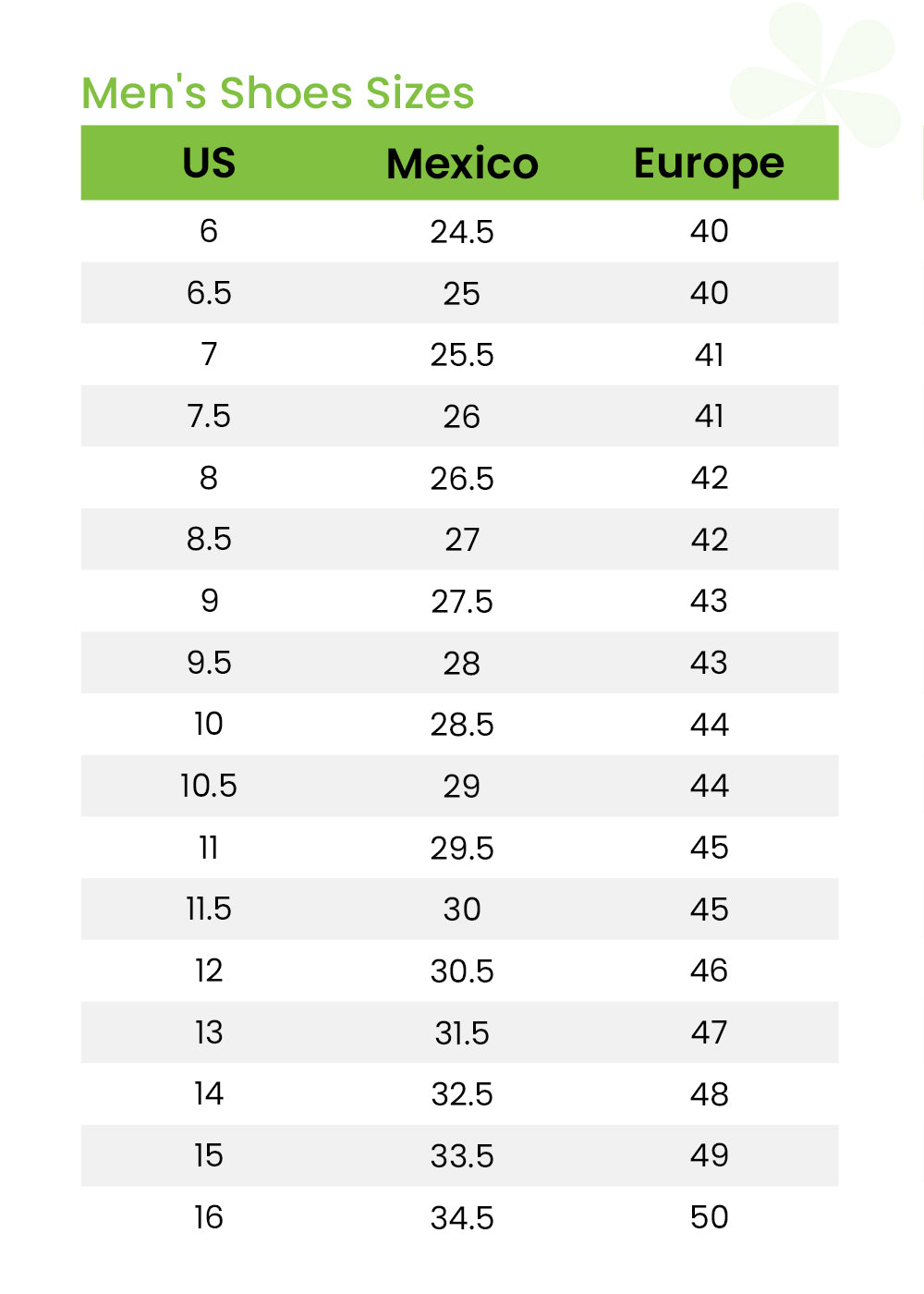
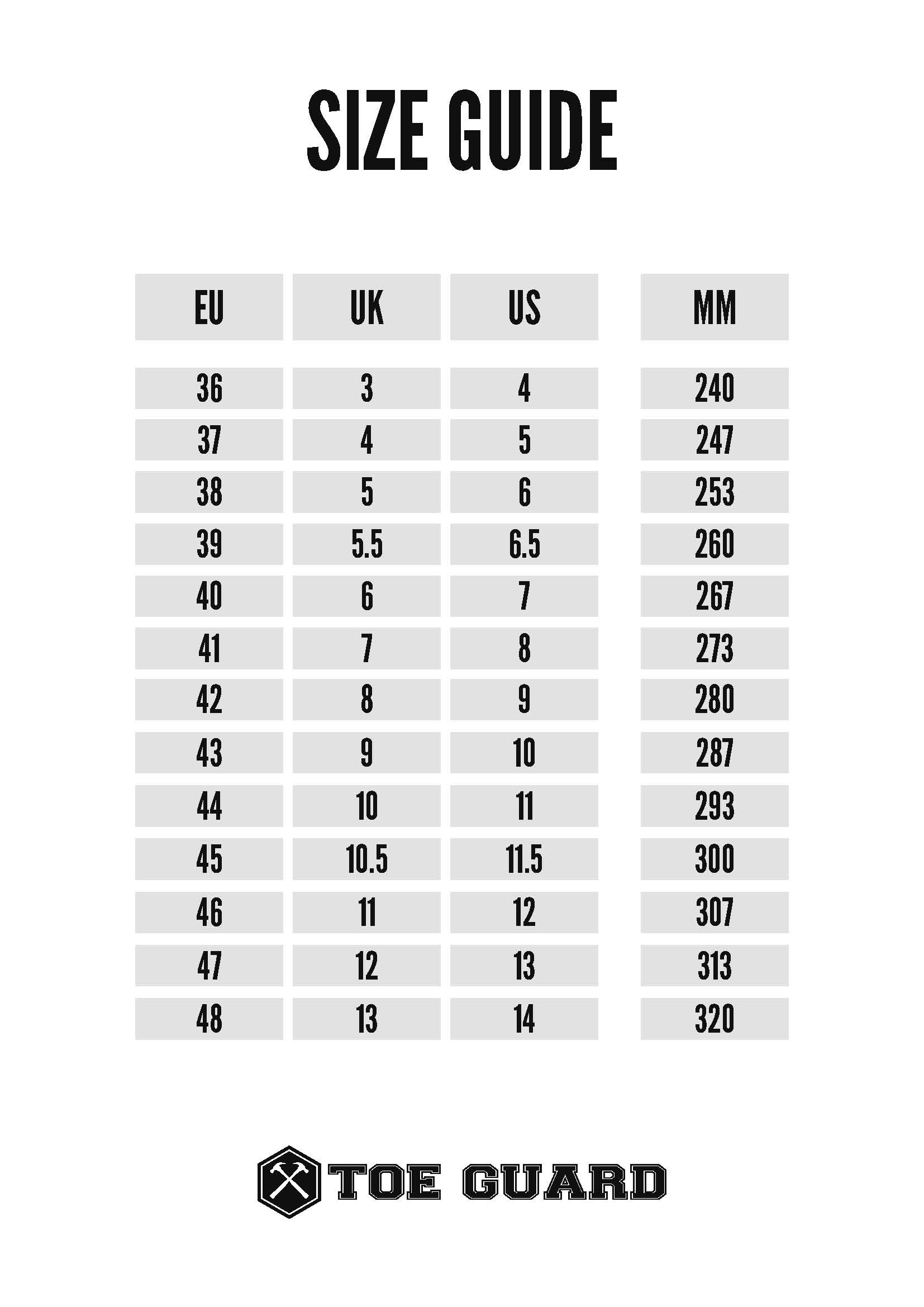
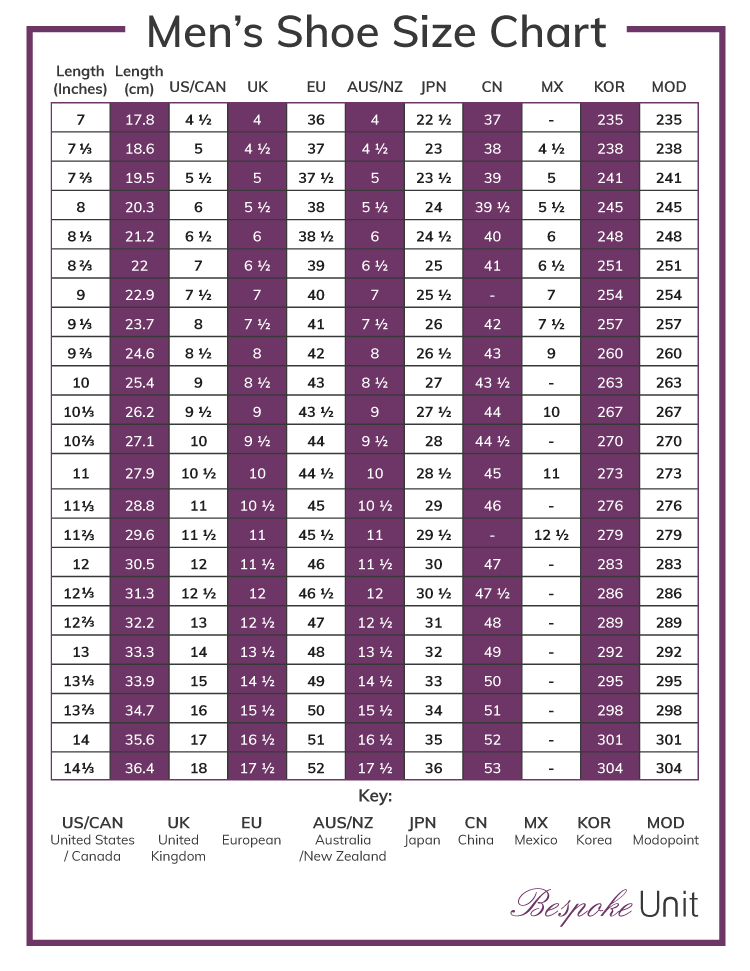
For most adult men, a European size 43 is generally considered equivalent to a US men’s size 10. This is the baseline used by the vast majority of luxury fashion houses and high-end cobblers. However, “general” is the operative word here. Because European manufacturers often build their lasts—the physical forms used to shape shoes—with a slightly narrower profile, a size 43 may occasionally feel more akin to a 9.5 or 10 in a standard US width.
Why Sizing Is Never Truly Standard
The perception of “fit” is often influenced by the intent of the brand. A heritage Italian label, for instance, may utilize a sleek, elongated silhouette, meaning a size 43 will offer more room in the toe box than a robust German-engineered boot of the same numeric size. When building a personal image, one must recognize that sizing is a marketing tool as much as a technical specification; luxury brands often favor consistency in the aesthetic shape of the shoe over the strict uniformity of the internal volume.
Brand Identity and the Precision of Fit
In the realm of personal branding, the way a garment or shoe fits is a non-verbal signal of status and attention to detail. A professional who understands how to navigate sizing nuances—such as the difference between a 43 and a US 10—demonstrates a level of worldly sophistication. The fit is an extension of the brand identity; an ill-fitting shoe disrupts the silhouette, ultimately undermining the cohesive narrative of one’s professional appearance.
The Role of Lasts in Luxury Branding
When investing in high-quality footwear, consumers should look for transparency regarding the brand’s “last.” A last is the 3D model around which a shoe is constructed. Some brands specialize in “wide-fit” lasts, while others focus on “bespoke-style” narrow profiles. If you are a standard US 10, a brand that builds on a narrow European 43 may cause discomfort. A discerning consumer investigates the manufacturer’s sizing guide before committing to a purchase, treating the data as a vital part of the brand’s reliability.
Consistency Across Global Collections
Luxury houses often maintain a “master size” across their global outlets to ensure that a customer in Milan, New York, and Tokyo experiences the same brand experience. However, the materials used—such as Italian calfskin versus stiff box calf—can change the tactile reality of the size 43. A seasoned professional understands that leather behaves differently depending on the region of origin and the tanning process, which influences how a size 43 accommodates the foot over time.
Strategic Purchasing: Avoiding the Size 43 Trap
For those who shop online or participate in the secondary luxury market, understanding conversion is a financial imperative. Returns are costly and detrimental to a seamless wardrobe management strategy. By mastering the nuances of the size 43, one can avoid the logistical hurdles that often plague international transactions.
Utilizing Conversion Charts as a Starting Point
While conversion charts are helpful, they should be treated as a starting point, not an absolute truth. A US size 10 is the theoretical target for a European 43, but you must account for the specific category of footwear.
- Dress Shoes: Often run “long” to accommodate a dressier, elongated aesthetic. If you are a 9.5 in sneakers, a 43 might be perfect.
- Athletic Footwear: Usually follow high-performance ergonomics. A size 43 in a European performance brand often maps more closely to a US 9.5 to ensure lockdown and stability.
- Boots: Often require extra room for thicker socks. A 43 might feel slightly snug if you are a true US 10, especially in heavier leather constructions.
The Importance of Foot Measurements
To remove the guesswork from the equation, serious shoppers should measure their feet in centimeters and compare that number directly to the brand’s internal measurement guide. Most global luxury brands now provide “CM” or “MM” sizing on their websites. This bypasses the ambiguity of the “US 10 vs. EU 43” debate entirely. If your foot is 27 centimeters long, look for the manufacturer’s sizing table to see which numeric size corresponds to 27cm. This is the single most effective way to align your personal needs with global sizing systems.
The Future of Sizing and Brand Loyalty
We are currently witnessing a shift in the digital retail space where AI-driven fit technology is becoming the standard. Retailers are moving away from traditional size conversion charts and toward predictive sizing algorithms. By scanning the dimensions of a user’s foot—or by analyzing the purchase history of similar items—brands can suggest the correct size with near-perfect accuracy.
Personalized Shopping Experiences
As a consumer, leveraging these tools is key to maintaining a curated image without the friction of trial and error. When a brand identifies your correct size across its entire collection, it fosters deep brand loyalty. You are no longer shopping for a “size”; you are shopping for a brand identity that understands your physical proportions. This synergy between the customer and the brand is the ultimate evolution of the shopping experience.
Investing in Durability and Correct Sizing
When you identify the correct equivalent for a size 43, you are investing in longevity. Footwear that fits correctly lasts longer because it experiences less structural strain. When a shoe is too small, the leather stretches and cracks prematurely; when it is too large, the heel counter breaks down from unnecessary movement. By taking the time to understand that a European 43 is not merely a number, but a complex fit requirement, you extend the life of your wardrobe investments, ensuring that your professional image remains polished, intentional, and sustainable for years to come.
In the final assessment, the question of what a 43 size is in the US is less about a simple arithmetic conversion and more about understanding the craftsmanship, the materials, and the intent of the brand you are choosing to wear. Master the measurement, understand the brand’s philosophy, and you will find that the global marketplace becomes an accessible, seamless environment for your personal style.
aViewFromTheCave is a participant in the Amazon Services LLC Associates Program, an affiliate advertising program designed to provide a means for sites to earn advertising fees by advertising and linking to Amazon.com. Amazon, the Amazon logo, AmazonSupply, and the AmazonSupply logo are trademarks of Amazon.com, Inc. or its affiliates. As an Amazon Associate we earn affiliate commissions from qualifying purchases.