
For many homeowners, the annual ritual of filing taxes is a time to hunt for deductions that might lower their overall liability. While mortgage interest and property taxes are widely known write-offs, the rules regarding home repairs and improvements are frequently misunderstood. Distinguishing between a “repair” and an “improvement” is the cornerstone of tax planning for homeowners. Understanding these nuances can save you thousands of dollars, provided you know which expenses the IRS rewards and which it ignores.
Understanding the Difference: Repairs vs. Improvements
The Internal Revenue Service (IRS) maintains a very specific distinction between expenses that maintain a property and those that increase its value. Understanding this line is critical because it dictates whether you can deduct the cost immediately or if you must wait until you sell your home to see a tax benefit.
Defining a Repair
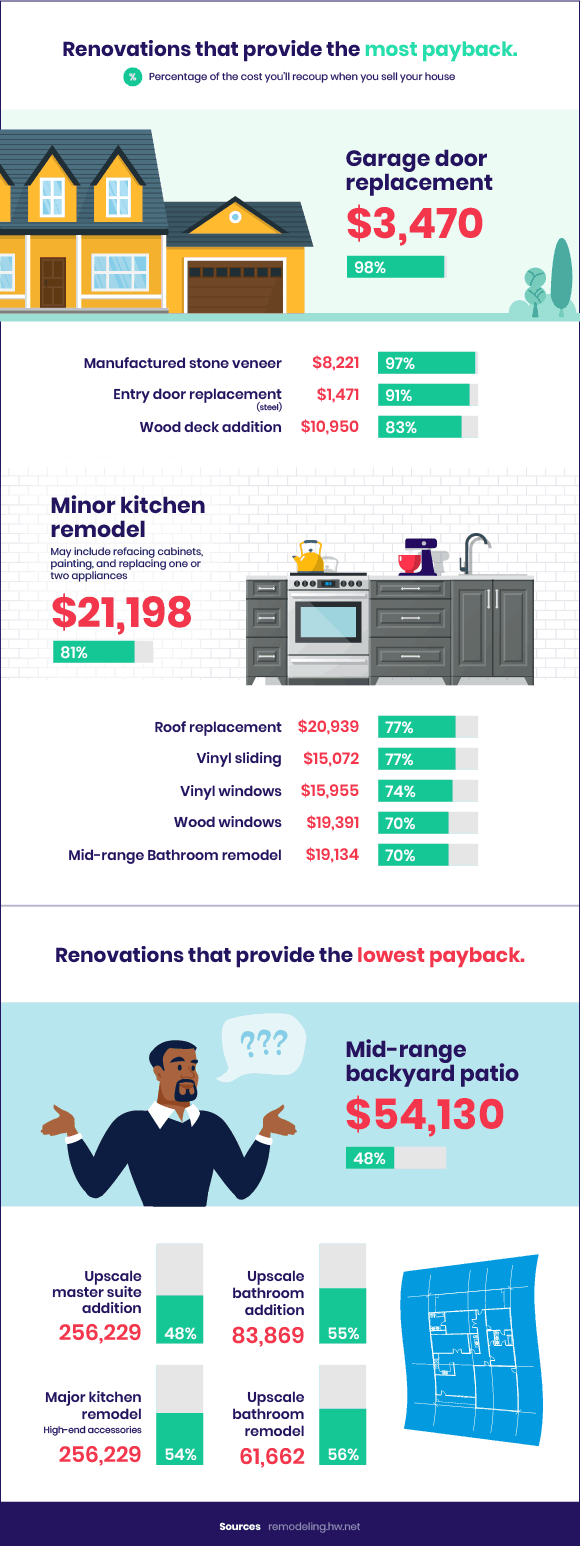
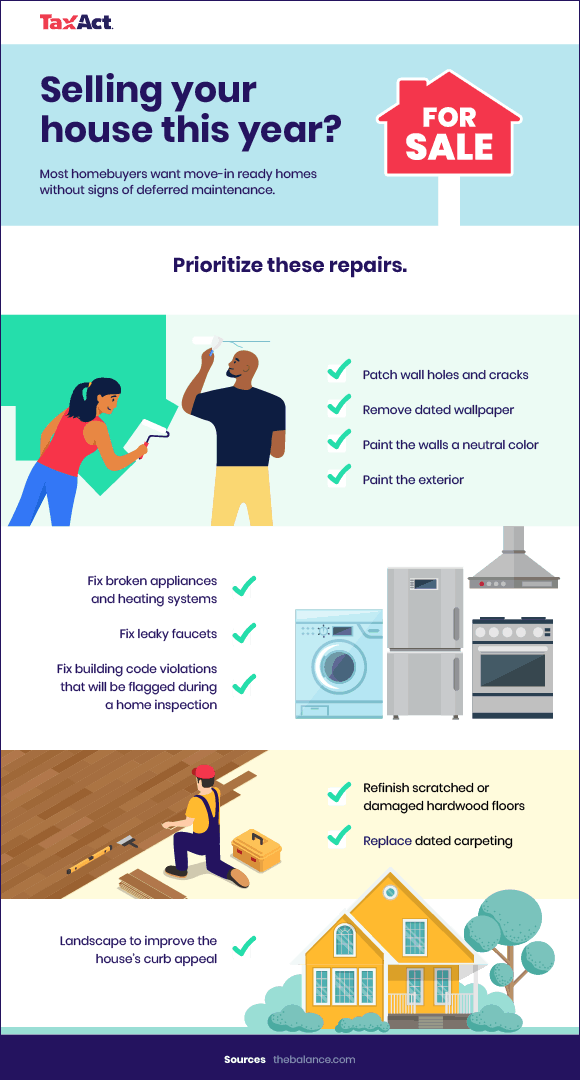
A repair is an expense that keeps your home in a safe, habitable, and working condition. These are routine maintenance items that do not add significant value to the property or extend its life beyond what was originally intended. Examples include fixing a leaky faucet, replacing a broken window pane, patching a small hole in the wall, or repairing a damaged shingle on your roof.
Under current tax laws, repairs to your primary personal residence are generally not tax-deductible. While these costs are necessary for homeownership, they are considered personal living expenses by the IRS. Unless you are using your home for business purposes, such as a dedicated home office or rental property, these out-of-pocket costs remain non-deductible.
Defining a Capital Improvement
A capital improvement, by contrast, is a project that adds substantial value to your home, prolongs its useful life, or adapts it to a new use. Examples include adding a deck, installing a new roof, upgrading the electrical system, or renovating a kitchen.
While you cannot deduct these costs in the year they are incurred for a primary residence, they serve a vital purpose: they increase the “cost basis” of your home. Your cost basis is essentially the price you paid for the house plus any money invested in capital improvements. When you eventually sell your home, your taxable gain is calculated as the sale price minus your adjusted cost basis. By keeping meticulous records of every improvement, you effectively raise your basis, which lowers the capital gains tax you owe upon the sale of the property.
The Business Exception: Home Offices and Rental Property
The rules shift significantly when your home is used for business or rental purposes. If you use a portion of your home exclusively for business, you may be entitled to claim a percentage of your home repair costs as business deductions.
The Home Office Deduction
To qualify for a home office deduction, the space must be used regularly and exclusively as your principal place of business. If you meet these stringent criteria, you can deduct a portion of the expenses related to maintaining that office.
If you have a repair that is specific to your home office—such as painting the office walls or replacing a carpet in that specific room—you may be able to deduct the full cost of that repair as a business expense. If the repair is for a “general” component of the house, such as fixing the furnace or repairing the roof, you can deduct a percentage of those costs based on the square footage of your office relative to the total square footage of your home.
Rental Property Deductions
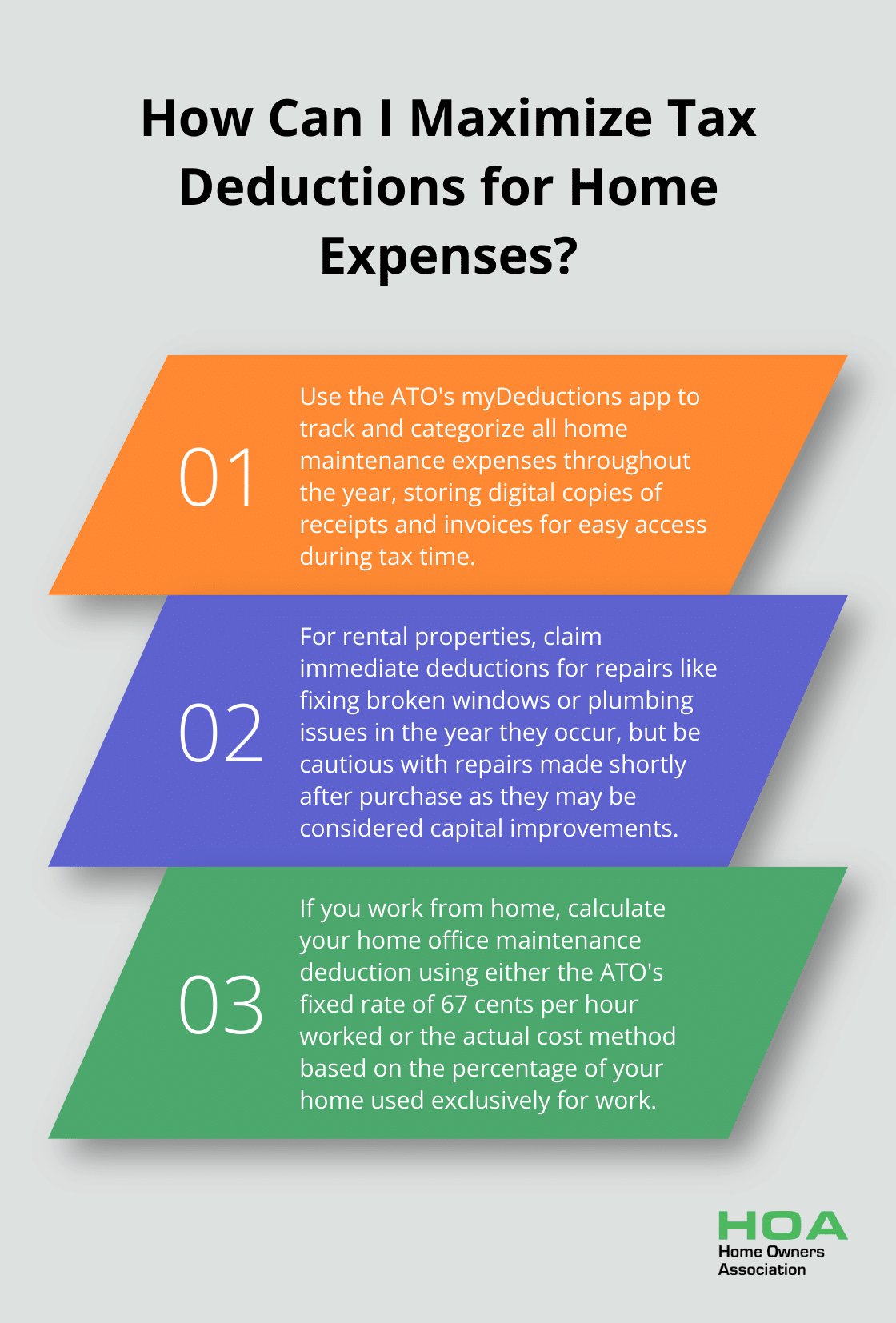
If you own a rental property, the rules are much more favorable. Any repair made to a rental unit is fully deductible in the year the expense occurs. This includes painting, plumbing repairs, furnace servicing, and general landscaping. Because these are considered “ordinary and necessary” costs of doing business, the IRS allows you to deduct them against the rental income you earn, effectively lowering your taxable income for that tax year.
However, even with rental properties, capital improvements are treated differently. Large-scale renovations—like replacing the entire HVAC system or installing new flooring throughout the property—cannot be deducted in a single year. Instead, these are considered capital assets and must be depreciated over a set number of years, typically 27.5 years for residential rental property.
Maximizing Your “Adjusted Cost Basis”
Even if you aren’t running a business out of your home, tracking your repair and improvement history is a critical financial strategy. Many homeowners lose thousands of dollars by failing to maintain a comprehensive “home improvement file.”
Keeping Records for the Long Haul
The IRS requires documentation to support any increase in your home’s cost basis. Simply claiming you spent $20,000 on a kitchen remodel is not sufficient in the event of an audit. You must maintain organized records, including:
- Original receipts and invoices.
- Contracts and service agreements.
- Cancelled checks or credit card statements.
- Before-and-after photographs of the project.
These records should be kept for at least three years after you sell your home and report the sale on your tax return, although many tax professionals suggest keeping them for seven years or longer.
What Specifically Increases Your Basis?
Not every project qualifies as a capital improvement. Cosmetic updates, such as repainting a room or replacing window treatments, are generally considered maintenance and do not increase your basis. However, structural additions do. Projects that add value include:
- Installing central air conditioning.
- Adding a new room or bathroom.
- Replacing outdated plumbing or wiring.
- Installing energy-efficient upgrades, such as solar panels or high-efficiency furnaces (which may also qualify for specific energy tax credits).
- Landscaping, such as installing a driveway or fence, which are considered improvements to the land itself.
By logging these expenses, you ensure that when the time comes to sell your home, you aren’t overpaying on capital gains taxes. If your home has appreciated significantly over the years, this record-keeping could be the difference between paying a substantial tax bill and walking away with a tax-free profit, provided you meet the capital gains exclusion rules for primary residences.
Energy-Efficient Upgrades and Specific Tax Credits
While traditional “repairs” are not deductible, the government often incentivizes homeowners to upgrade their homes through specific tax credits. These are far more powerful than deductions, as a tax credit reduces your tax bill dollar-for-dollar.
The Residential Clean Energy Credit
Homeowners who invest in renewable energy systems, such as solar electric panels, solar water heaters, geothermal heat pumps, or wind turbines, can claim a significant percentage of the installation costs as a tax credit. These credits have been bolstered by recent federal legislation, making them one of the most effective ways to lower your taxes while simultaneously reducing your monthly utility expenses.
Energy Efficient Home Improvement Credit
If you make smaller-scale energy upgrades—such as installing new energy-efficient windows, doors, insulation, or high-efficiency HVAC systems—you may be eligible for the Energy Efficient Home Improvement Credit. Unlike a deduction, which only reduces the amount of income you are taxed on, this credit directly lowers the amount of tax you owe.
It is important to note that these credits are subject to annual caps and specific technical requirements. Always consult the latest IRS guidance or a qualified tax professional to ensure the materials or services you are purchasing meet the necessary efficiency standards before starting your project.
Summary Strategy
When assessing your home repair expenses, always ask three questions:
- Is this a repair or an improvement? If it’s a repair, it’s likely not deductible for a primary residence. If it’s an improvement, document it to raise your cost basis.
- Is this home used for business? If you have a legitimate home office or rental unit, you may be able to expense these repairs annually.
- Does this qualify for a credit? If the repair involves energy efficiency, you may be eligible for a direct tax credit, which is the most beneficial tax outcome possible.
By maintaining disciplined records and understanding the intersection of home maintenance and tax law, you can navigate your finances with confidence, turning the burden of homeownership into a strategic component of your long-term financial health.
aViewFromTheCave is a participant in the Amazon Services LLC Associates Program, an affiliate advertising program designed to provide a means for sites to earn advertising fees by advertising and linking to Amazon.com. Amazon, the Amazon logo, AmazonSupply, and the AmazonSupply logo are trademarks of Amazon.com, Inc. or its affiliates. As an Amazon Associate we earn affiliate commissions from qualifying purchases.