
The Apollo 1 mission, originally designated AS-204, stands as the most somber chapter in the history of space exploration. On January 27, 1967, during a routine pre-flight test, a flash fire erupted inside the Apollo Command Module, claiming the lives of astronauts Virgil “Gus” Grissom, Edward White, and Roger Chaffee. While the tragedy occurred in the context of a Cold War space race, the root causes were deeply technical, stemming from engineering oversights, poor design choices, and a flawed safety culture. Understanding what happened to Apollo 1 requires a deep dive into the intersection of materials science, electrical engineering, and the systemic pressures of rapid technological development.

The Flawed Design of the Command Module
The Apollo 1 Command Module was an engineering marvel for its time, yet it contained critical design vulnerabilities that acted as a tinderbox under specific environmental conditions. The primary issue was the atmosphere inside the capsule. To save weight and simplify the life-support systems, NASA opted for a pure oxygen environment at a pressure slightly higher than sea level during ground testing. While this had been used in the Mercury and Gemini programs without fatal incidents, it proved catastrophic when combined with the internal configuration of the Apollo 1 block I spacecraft.
The Problem with Pure Oxygen
Pure oxygen is an oxidizer that drastically accelerates the rate of combustion. Any material that would normally be fire-resistant or slow-burning in a standard nitrogen-oxygen mix becomes highly flammable in a pure oxygen environment. The designers underestimated the potential for a spark to ignite materials that were otherwise considered “low-risk.” In the cramped, pressurized environment of the cockpit, even a minor electrical short had the potential to become an uncontrollable conflagration in seconds.
Interior Materials and Combustibles
Beyond the atmospheric composition, the interior of the command module was cluttered with materials that had not been adequately tested for flammability. Velcro, nylon, and various types of foam insulation were used throughout the cockpit for organization and comfort. Following the tragedy, subsequent investigations found that the total amount of combustible material in the cabin was significantly higher than anticipated. The design team focused heavily on the structural integrity of the spacecraft for launch and reentry, but they failed to conduct a holistic audit of the interior environment from a fire-prevention perspective.
Electrical Failure and the Trigger Event
The investigation, led by the Apollo 204 Review Board, pinpointed an electrical short as the likely ignition source. The spacecraft was packed with miles of electrical wiring, much of which was housed in areas with poor ventilation and subject to constant vibration during testing. Over time, the insulation on these wires began to chafe, specifically where they passed through metal panels or were routed through tight, unshielded conduits.
The Role of Aging Wire Harnesses
The electrical systems were subjected to repetitive testing, which contributed to the degradation of the wiring insulation. On the day of the test, the spacecraft was running on internal power. During the final countdown, telemetry data recorded a brief voltage spike, suggesting a short circuit. Within moments, the astronauts reported a fire. The exact location of the wire that failed was never definitively proven, but the sequence of events clearly indicated that a spark occurred near the floor of the cockpit, where a coolant leak had potentially wetted the wires, creating a pathway for an electrical arc.
The Failure of the Environmental Control System
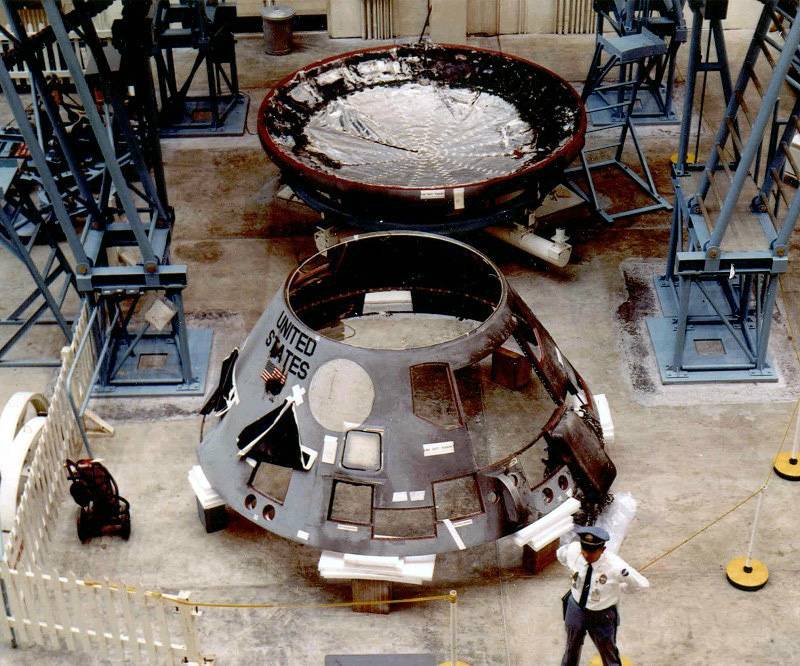
The Environmental Control System (ECS) was designed to keep the astronauts alive but was not equipped to handle a fire of this magnitude. When the fire began, the ECS continued to pump pure oxygen into the cabin, acting as a bellows for the flames. This provided a continuous supply of fuel to the fire, causing the temperature to spike to over 1,000 degrees Fahrenheit in mere seconds. The rapid heating caused the pressure inside the cabin to rise instantly, leading to the rupture of the cabin wall—a moment that essentially sealed the fate of the crew.
The Design of the Hatch and Ingress Issues
Perhaps the most haunting aspect of the Apollo 1 disaster was the inability of the crew to escape. The Command Module was equipped with a heavy, multi-layered hatch that opened inward. This design choice was driven by the desire to use the internal pressure of the spacecraft to help seal the hatch during flight. In a vacuum, the internal pressure pushes the hatch against its frame, creating an airtight seal. However, this design was an absolute nightmare for ground operations.
The Mechanical Inward-Opening Constraint
Because the hatch opened inward, the high internal pressure caused by the fire essentially welded the hatch shut against its frame. Even if the crew had remained conscious, the physical force required to open the hatch against such a high-pressure differential was beyond human capacity. Furthermore, the latch mechanism was complex and time-consuming to operate, requiring the crew to remove multiple locking pins and swing the heavy hatch into a confined space already filled with smoke and fire.
Emergency Egress Procedures
The emergency egress training for the crew had assumed a standard evacuation scenario, such as a localized fire or a system malfunction, where the crew would have minutes to exit. They had not been trained for a flash fire that would consume their oxygen supply and incapacitate them in under 20 seconds. This failure of planning highlighted a dangerous disconnect between the engineers designing the hatch and the flight controllers responsible for the safety of the men operating it.
Lessons Learned and Systemic Transformation
The tragedy of Apollo 1 forced a complete overhaul of the American space program. It was a brutal lesson in the dangers of prioritizing schedule over safety and the importance of rigorous technical verification. NASA halted the Apollo program for nearly 18 months, using that time to redesign the Command Module from the ground up, a period that ultimately ensured the success of the subsequent moon landings.
The Move to a Two-Gas Atmosphere
One of the most critical changes was the abandonment of the pure oxygen environment during ground testing. NASA transitioned to a nitrogen-oxygen mix, which significantly reduced the fire risk. This shift required a complete redesign of the life-support hardware and the gas distribution systems, but it provided a necessary safety buffer that became standard for all future manned missions.
Stringent Flammability Standards
NASA implemented new, stringent material testing protocols. Every single item slated for the cockpit—from the astronauts’ suits to the wiring insulation and the Velcro used on the walls—had to pass rigorous flammability tests in high-pressure oxygen. Materials that burned too easily were replaced with non-combustible alternatives, such as beta cloth and specialized flame-retardant polymers.
The Redesign of the Hatch
The inward-opening hatch was replaced with a new, outward-opening, quick-release design. This change ensured that in an emergency, the cabin pressure would actually help force the hatch open rather than seal it shut. The new hatch could be operated in seconds by a single astronaut, ensuring that the crew had a viable exit route even under the most dire circumstances.
A Cultural Shift in Engineering
Beyond the technical hardware, Apollo 1 changed the culture of NASA. The program shifted from a “move fast and break things” mentality to a culture of exhaustive documentation, independent peer review, and a willingness to stop the clock when a system was not fully understood. The lessons learned from the fire were not just about preventing fires; they were about respecting the lethal complexity of the environments in which technology operates.
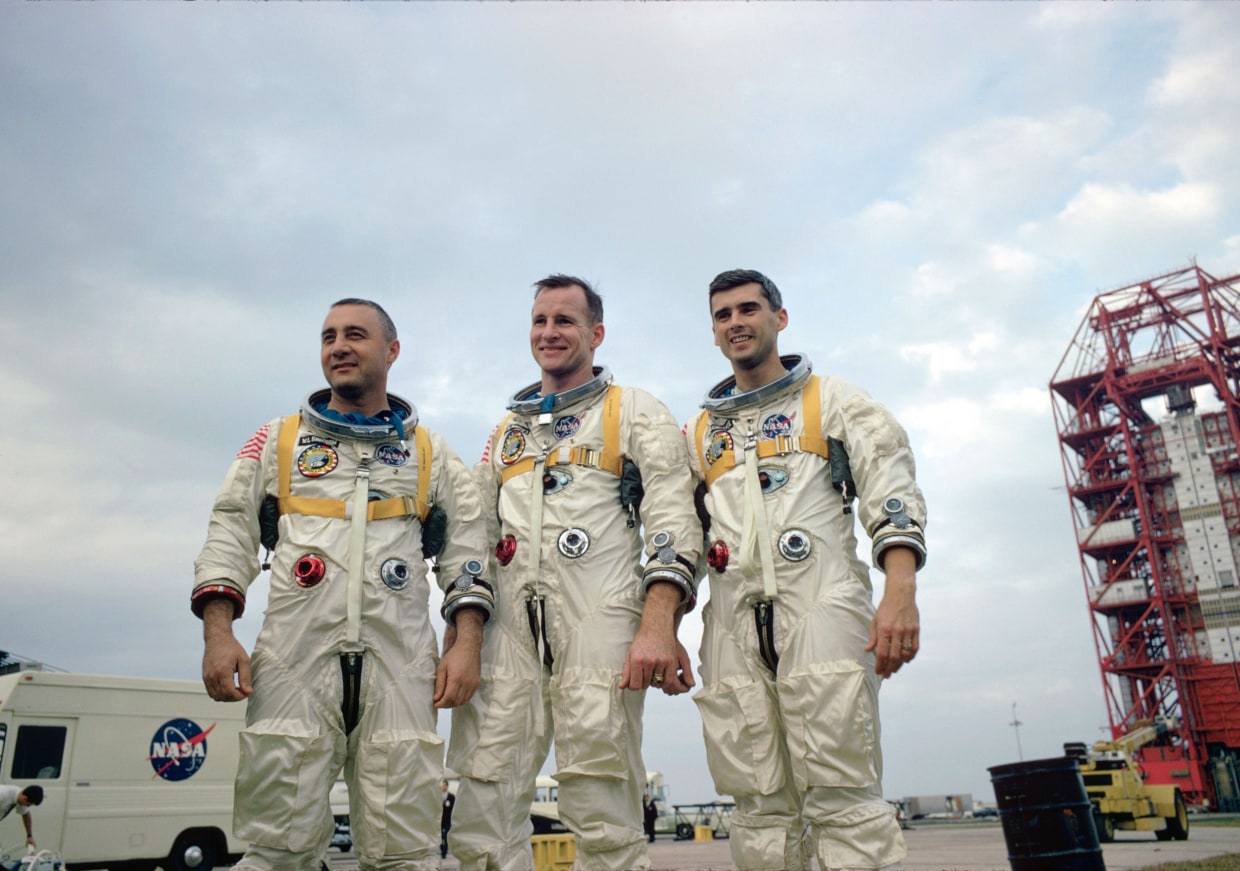
The legacy of Apollo 1 is woven into every piece of modern aerospace technology. It taught the engineering community that reliability is not an inherent trait of a system, but something that must be earned through rigorous testing, fail-safe design, and the constant interrogation of assumptions. The sacrifice of Grissom, White, and Chaffee became the foundation upon which the success of Apollo 11 and all subsequent human spaceflight was built. Through their loss, the industry gained a heightened sense of responsibility, leading to the sophisticated safety systems that govern aerospace engineering today.
aViewFromTheCave is a participant in the Amazon Services LLC Associates Program, an affiliate advertising program designed to provide a means for sites to earn advertising fees by advertising and linking to Amazon.com. Amazon, the Amazon logo, AmazonSupply, and the AmazonSupply logo are trademarks of Amazon.com, Inc. or its affiliates. As an Amazon Associate we earn affiliate commissions from qualifying purchases.