
The Branding of Dolores Umbridge: A Masterclass in Toxic Corporate Identity
In the narrative landscape of the Wizarding World, Dolores Umbridge stands as one of the most polarizing figures. While the audience views her through the lens of character development, from a corporate identity and personal branding perspective, Umbridge offers a harrowing case study on the dangers of misaligned values and the fragility of a forced persona. Her tenure at the Ministry of Magic and Hogwarts serves as a textbook example of what happens when an individual’s personal brand is built entirely upon a facade that contradicts their core operational philosophy.
The Aesthetics of Deception
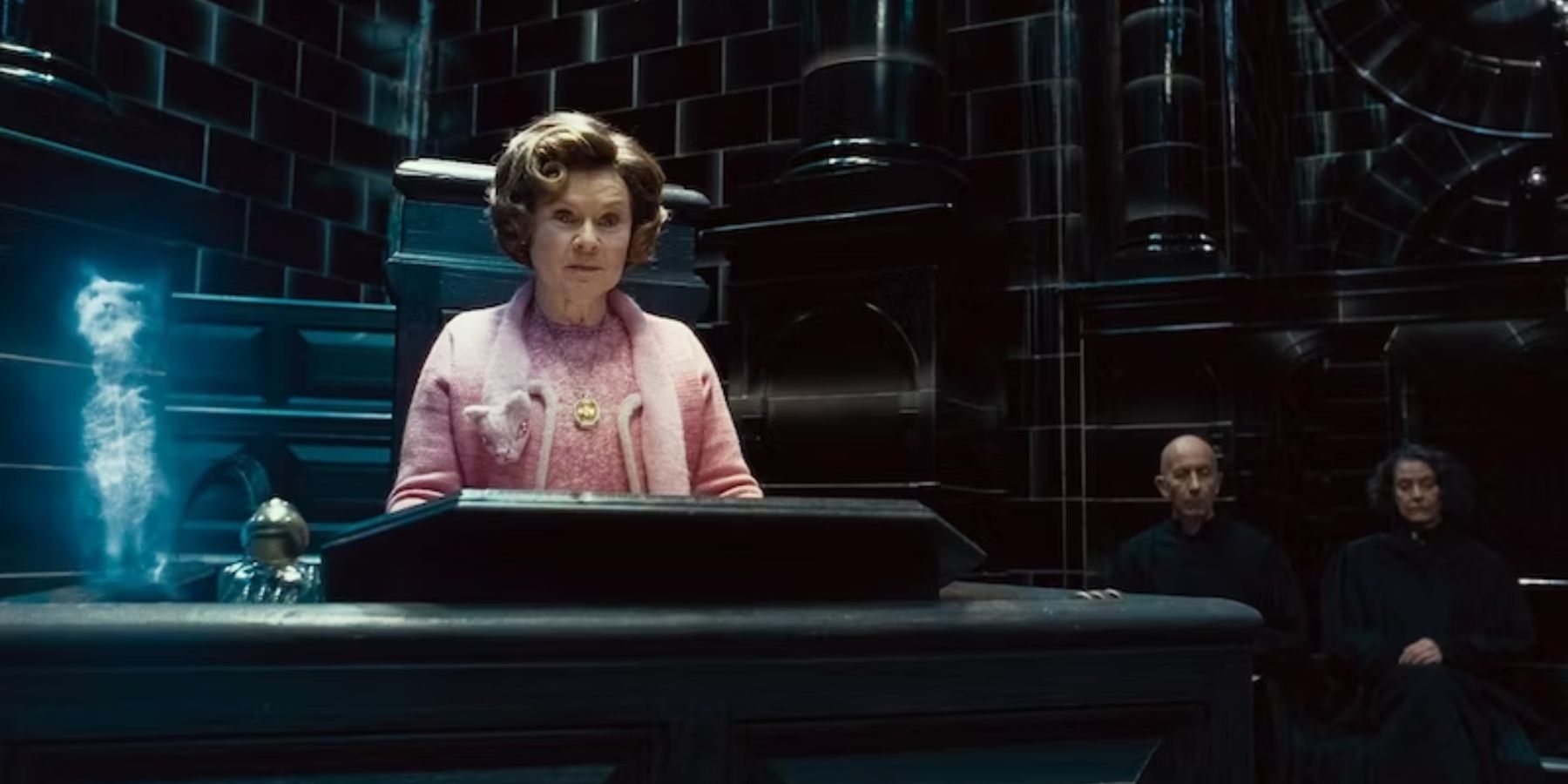
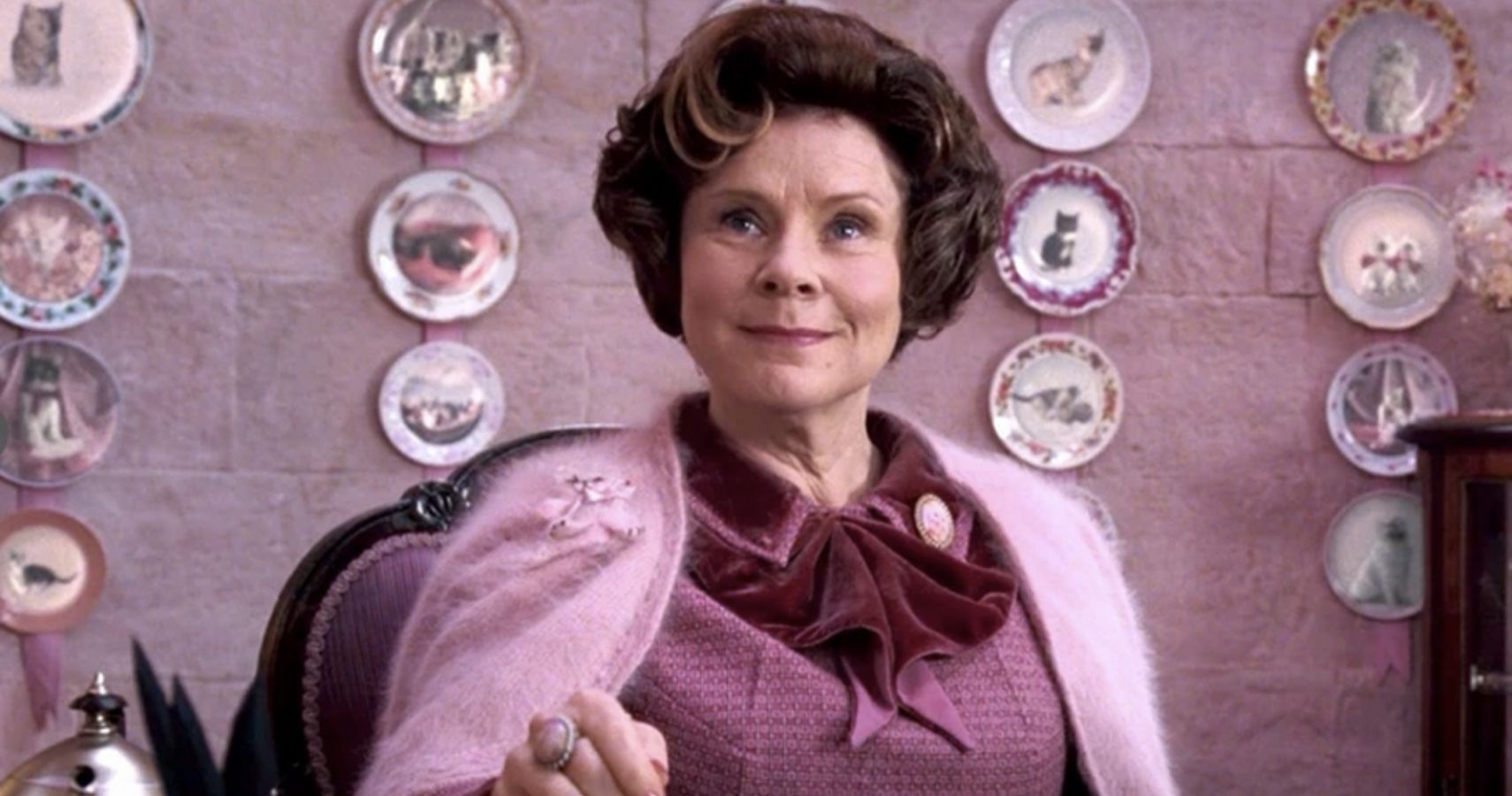
Umbridge’s personal brand is defined by an aggressive adherence to a “soft” aesthetic—pink cardigans, cat plates, and bows. In branding theory, this is known as “cognitive dissonance” in visual communication. She utilizes a non-threatening, domestic, and feminine visual language to mask a rigid, authoritarian, and exclusionary internal culture. This creates a powerful but ultimately unsustainable brand promise. When a brand’s aesthetic is so diametrically opposed to its actual output—in this case, fear, corporal punishment, and systemic discrimination—the brand eventually suffers a catastrophic collapse.
Weaponizing Corporate Culture
Umbridge’s strategy at Hogwarts was not merely to teach, but to restructure the organizational culture to align with the Ministry’s top-down mandates. She introduced the “Educational Decrees,” which acted as corporate policy changes designed to consolidate power and eliminate dissent. By installing herself as the High Inquisitor, she attempted to establish a monopoly on the “truth” within the institution. From a business strategy standpoint, this represents an over-reach that alienated the stakeholder base—the students and faculty—resulting in the formation of insurgent groups like Dumbledore’s Army. When a brand stops serving its community and begins policing it, the community inevitably finds ways to circumvent that authority.
The Financial and Reputational Insolvency of a Failed Brand
When analyzing Umbridge’s trajectory, one must look at the “valuation” of her professional persona over time. A brand’s strength is measured by its integrity and its ability to build long-term value. Umbridge’s brand was entirely transactional; it relied on the backing of the Minister for Magic, Cornelius Fudge. When the political market shifted, her personal capital evaporated because she had no independent brand equity.
The Collapse of the “Ministry Endorsement”
Umbridge was essentially a proxy brand. Her influence was borrowed, not earned. In the corporate world, this is a dangerous position. When she lost the institutional support of the Ministry, she was left with no authentic followers, no brand advocates, and a reputation that had become toxic to the very organization she aimed to serve. Her fall from grace was not just a result of her defeat by the Centaurs; it was a result of becoming a liability to her own organization. Her actions had created a reputational deficit that even the highest echelons of government could no longer afford to carry.
The Cost of Institutional Overreach
The “Decrees” and the inquisitorial squads were high-cost, low-yield investments. They required immense resource allocation—surveillance, enforcement, and propaganda—without producing any measurable improvement in educational outcomes or organizational stability. In business terms, she was running a deficit. She prioritized the maintenance of her own power (the brand) over the success of the mission (the education of the students). This is a fatal flaw in leadership branding: when the leader becomes more important than the organization, the organization becomes fragile, and the leader becomes disposable.
Post-Conflict Repositioning: The Long-Term Consequences of a Tarnished Image
Following the events of the Second Wizarding War, the question of what happened to Umbridge is often framed as a narrative curiosity. However, in the realm of reputation management, her fate represents the ultimate “blacklisting.” After the fall of Voldemort, the Ministry of Magic underwent a massive rebranding effort. Leaders of her ilk—those who had actively participated in the purist purges and the persecution of “Mudbloods”—were excised to protect the integrity of the new Ministry.
The Impossibility of Brand Recovery
Once an individual has tied their personal brand to a cause that is universally condemned by their industry, recovery is almost impossible. Umbridge’s participation in the Muggle-Born Registration Commission cemented her image as a villainous operative. There is no pivot, no PR campaign, and no “rebrand” that can wash away the association with systemic oppression. In professional terms, she became toxic assets—someone whose name alone suggests incompetence, malice, and ethical bankruptcy.
Siloing and Isolation
The narrative conclusion for Umbridge—imprisonment in Azkaban for her crimes—is the metaphorical equivalent of a permanent professional ban. By aligning herself with the most extreme faction of the Wizarding World, she stripped herself of any future utility. Her brand had become so radioactive that she was effectively deleted from the public consciousness. She serves as a warning to those in leadership positions: when you sacrifice your moral compass for the sake of political expediency, you destroy the only thing that actually has long-term value: your professional reputation.
Lessons in Modern Leadership Branding
The story of Dolores Umbridge serves as an evergreen case study for anyone navigating the complexities of modern corporate or personal branding. It highlights the importance of authenticity, the danger of toxic authority, and the inevitability of accountability.
Authenticity as the Baseline
The most critical lesson is that a personal brand must be congruent with reality. If a leader projects warmth but practices cruelty, the market will eventually identify the fraud. In the digital age, where transparency is non-negotiable, the facade is harder than ever to maintain. Umbridge’s failure demonstrates that you cannot force a narrative onto a community that experiences the direct, negative consequences of your actions.

Building Capital That Lasts
Umbridge relied on “power capital”—the ability to force compliance through institutional decrees. Sustainable branding, however, is built on “trust capital”—the belief stakeholders have in your ability to lead, mentor, and provide value. Had Umbridge focused on building trust, she might have maintained a legacy of influence. Instead, she chose the path of coercion, ensuring that once her power was removed, she would have nothing left.
Ultimately, Umbridge’s journey teaches us that power is ephemeral, but the brand you leave behind is permanent. Whether in a school, a corporation, or a government, the brands that survive are those that foster growth, show integrity, and treat their stakeholders with respect. Those that mimic the tactics of Umbridge—masking tyranny with a veneer of professionalism—will inevitably find themselves in a state of professional and reputational isolation. The history of the Wizarding World records her not as a leader, but as a cautionary tale of what happens when a personal brand is built on a foundation of shifting, exclusionary, and malevolent values. Her legacy is the ultimate reminder that in the long run, the truth of your brand will always be revealed, and a reputation built on fear is a reputation built on sand.
aViewFromTheCave is a participant in the Amazon Services LLC Associates Program, an affiliate advertising program designed to provide a means for sites to earn advertising fees by advertising and linking to Amazon.com. Amazon, the Amazon logo, AmazonSupply, and the AmazonSupply logo are trademarks of Amazon.com, Inc. or its affiliates. As an Amazon Associate we earn affiliate commissions from qualifying purchases.