
The digital landscape is littered with the carcasses of creators who surged to fame only to vanish into the algorithmic ether. However, the trajectory of Nadia Caterina Munno, globally recognized as “The Pasta Queen,” offers a divergent case study. Her evolution from a charismatic home cook to a powerhouse of culinary media serves as a blueprint for modern personal branding. By dissecting her strategic shifts, we can understand how she successfully transitioned from a viral social media sensation into a sustainable, multi-platform brand entity.
The Genesis of an Authentic Brand Persona
At the heart of the Pasta Queen’s ascent is a masterclass in archetype development. In the crowded space of food media, where polished, sterile cooking tutorials once reigned supreme, Munno introduced a theatrical, unapologetic, and highly stylized persona. Her brand identity was not merely built on the quality of her recipes, but on the narrative weight of her presentation.

The Power of Cultural Storytelling
Munno did not just cook pasta; she exported a curated vision of Italian heritage. By framing her content within the context of family tradition, regal aesthetic, and a distinct, self-aware sense of humor, she differentiated herself from competitors. This is the cornerstone of effective personal branding: turning a commodity—cooking—into a distinctive, proprietary experience. She proved that when the “who” is as compelling as the “what,” audience retention increases exponentially.
Algorithmic Agility and Visual Identity
The early phase of her brand was defined by rapid content iteration. She leveraged the specific mechanics of short-form video to establish a signature visual language. The dramatic lighting, the gold-dusted aesthetic, and the exaggerated, high-energy storytelling were deliberate branding choices. This visual consistency acted as a psychological anchor for her audience, ensuring that even as her content evolved, the brand remained recognizable. Her ability to synthesize high-production value with the raw, chaotic energy of TikTok was a tactical triumph in digital positioning.
Scaling Beyond the Social Feed
A common failure point for influencers is the inability to transition from “social media personality” to “business entity.” Many creators remain tethered to the whims of platform algorithms, where reach is rented rather than owned. The Pasta Queen’s evolution demonstrates a strategic pivot toward multi-channel diversification—a move essential for long-term brand equity.
From Virality to Intellectual Property
Munno recognized early that social media reach is a top-of-funnel acquisition tool, not the end destination. By codifying her recipes into a successful cookbook, she moved her intellectual property onto physical shelves. This is a critical step in professional branding: the transition from ephemeral digital content to permanent, tangible assets. A book serves as a credibility multiplier, shifting the perception of the creator from “Internet celebrity” to “authoritative expert.”

Strategic Partnerships and Licensing
The Pasta Queen’s branding strategy further matured through selective brand alignments. By partnering with legacy kitchenware companies and retailers, she successfully bridged the gap between digital influence and traditional retail commerce. This creates a “halo effect” for the brand; the authenticity of the social media persona lends credibility to the product line, while the quality of the products reinforces the expert status of the brand. This ecosystem approach ensures that the brand remains resilient even if the popularity of a specific social platform wanes.
Navigating the Challenges of Hyper-Growth
Every successful brand eventually hits a ceiling where the original, founder-led model must scale. For The Pasta Queen, this involved managing the delicate balance between authentic personality-driven content and the professional requirements of a corporate enterprise.
Managing Public Perception and Authenticity
The risk of scaling is the perceived loss of “the human touch.” As a brand becomes more polished, critics often point to a loss of the very spontaneity that made the founder famous. Munno’s strategy has been to maintain a high level of personal visibility, ensuring that even as her business operations expanded behind the scenes, her voice and physical presence remained front and center. This is a vital lesson in personal branding: your audience buys the person, not just the product. When the “person” disappears behind the “brand,” the connection is severed.
Institutionalizing the Brand
To sustain the Pasta Queen brand, the operation had to move from a one-woman show to a professionalized team. This meant standardizing visual identity, legalizing intellectual property, and establishing a consistent content cadence that does not rely solely on the founder’s spontaneous inspiration. This institutionalization is what separates a flash-in-the-pan viral moment from a brand that can endure for decades. It requires the founder to evolve from a creator into a Creative Director—a role that focuses on maintaining the vision while offloading the execution.
The Future of the Creator Economy
The Pasta Queen’s journey provides a forward-looking look at the future of personal branding in a post-influencer world. As the market becomes increasingly saturated, the “authenticity trap”—where creators feel forced to perform a version of themselves until burnout—becomes a significant threat.
The Resilience of Niche Authority
One of the most important takeaways from Munno’s path is the power of extreme specialization. While she could have diversified into generic lifestyle content, she remained strictly within the “Pasta Queen” vertical. By mastering one specific domain, she made herself the go-to authority in that space. In a branding context, authority is the most valuable currency. It is easier to dominate a specific niche and expand laterally than it is to start as a generalist and try to build depth later.
Redefining Success Metrics
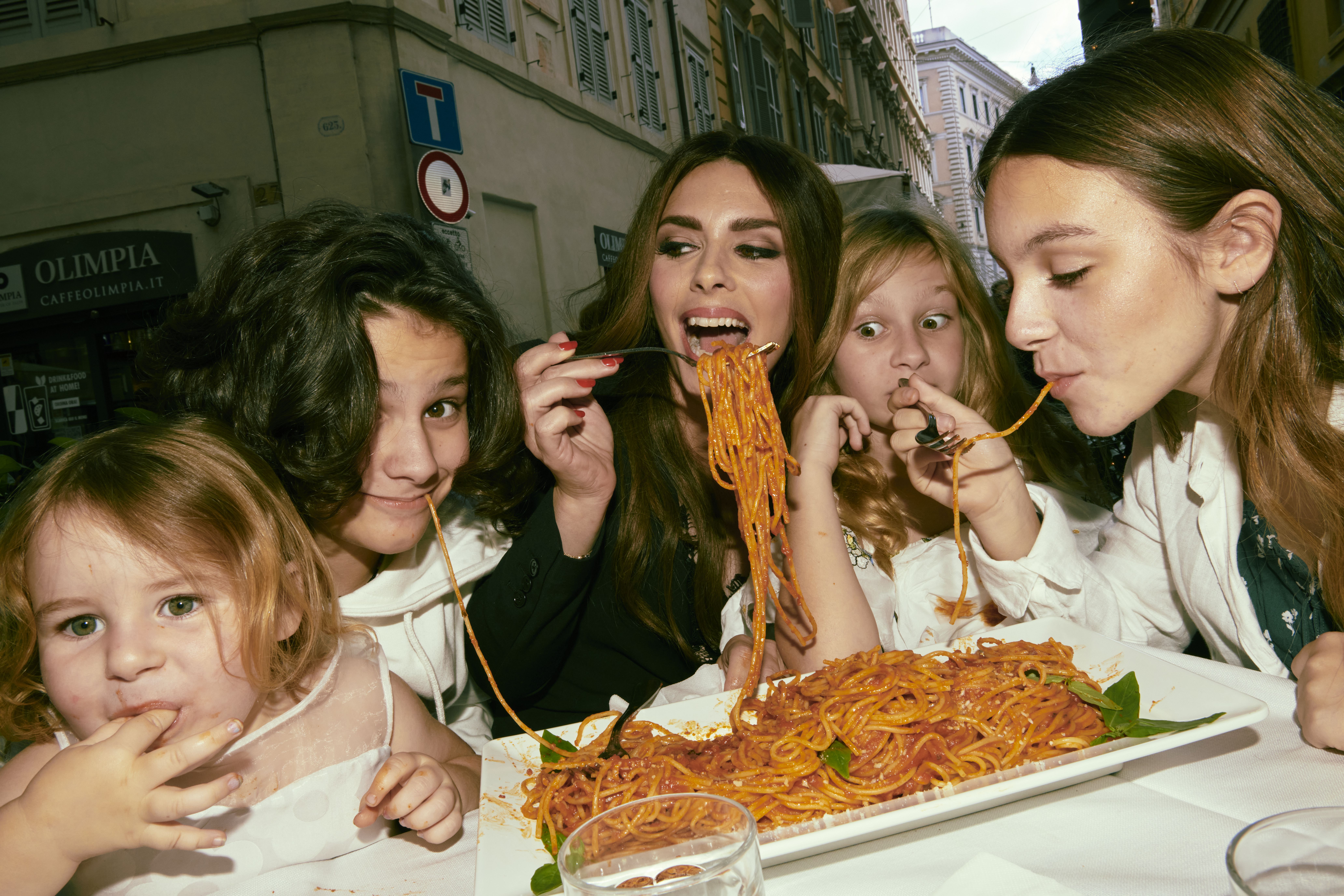
Finally, the “what happened to the Pasta Queen” inquiry is rarely a question of failure, but rather a reflection of the audience’s changing expectation of the creator. Fans expect constant, escalating content. However, a mature brand must prioritize financial sustainability and brand longevity over the frantic pace of the current algorithmic cycle. Munno’s pivot—quietly building a culinary empire while others chased daily trends—is a hallmark of sophisticated business finance. She demonstrated that sometimes, the most effective branding move is to move away from the noise and focus on high-value, high-impact pillars of the business.
Ultimately, the Pasta Queen serves as a master study in the lifecycle of a digital-first brand. She successfully navigated the transition from novelty act to recognized culinary authority. She proved that the foundation of a brand is not the video content itself, but the strategic architecture beneath it: the persona, the niche authority, the product diversification, and the ability to professionalize without losing the human element. For anyone looking to build a brand in the modern digital age, her trajectory serves as a reminder that virality is merely the start, while strategic brand management is the work that ensures survival. Her legacy is not found in the number of views her videos receive, but in the enduring strength of the brand identity she built to outlast the platform that hosted her rise.
aViewFromTheCave is a participant in the Amazon Services LLC Associates Program, an affiliate advertising program designed to provide a means for sites to earn advertising fees by advertising and linking to Amazon.com. Amazon, the Amazon logo, AmazonSupply, and the AmazonSupply logo are trademarks of Amazon.com, Inc. or its affiliates. As an Amazon Associate we earn affiliate commissions from qualifying purchases.