
For much of the 20th century, the Radio Corporation of America (RCA) was synonymous with American technological dominance. It was a monolith that defined how the world consumed information, entertainment, and communication. From the birth of commercial radio to the refinement of color television, RCA was not just a company; it was the engine room of the American consumer electronics age. Yet, despite its monumental influence, the RCA name today survives only as a badge licensed to third-party manufacturers, adorning budget-friendly televisions and audio equipment. The story of RCA is a masterclass in corporate hubris, the dangers of over-diversification, and the ultimate inability of a legacy giant to adapt to a changing market landscape.
The Architect of an Industry: Building the RCA Empire
Founded in 1919 at the behest of the United States government, RCA was originally envisioned as a way to ensure that American radio technology did not fall into the hands of foreign competitors. Under the leadership of visionaries like David Sarnoff, RCA quickly pivoted from a government-mandated utility to a commercial powerhouse.
The Power of Integration
RCA’s brilliance lay in its vertical integration strategy. By controlling the technology, the broadcast infrastructure, and the content creation, RCA effectively created a closed loop that dominated the consumer market. It founded the National Broadcasting Company (NBC) to provide the programming that would drive the sale of its radio receivers. This model proved so successful that it became the blueprint for modern media conglomerates.
From Radio to Television
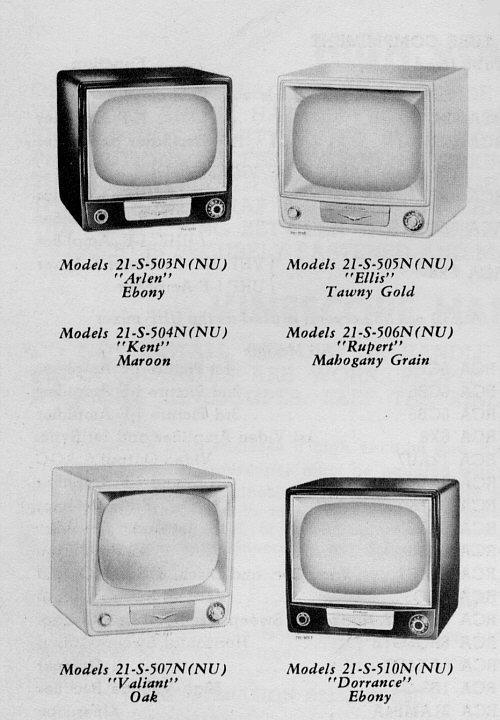
RCA’s transition from radio to television in the mid-20th century further cemented its dominance. The company’s heavy investment in Research and Development—exemplified by its labs in Princeton, New Jersey—led to the development of the NTSC color television standard. For decades, if you were watching television in the United States, you were likely doing so on an RCA set, watching RCA-produced content, transmitted via airwaves influenced by RCA patents.
The Era of Over-Diversification and Stagnation
By the 1960s and 1970s, RCA had grown into a sprawling conglomerate with its fingers in everything from frozen foods to carpet manufacturing and insurance. This era of unfocused expansion, known as conglomerate mania, was driven by the belief that a company could apply the same management principles to any industry, regardless of the sector.
The Distraction of Non-Core Businesses
While RCA’s electronics division continued to produce high-quality consumer goods, the sheer scale of the corporation became its Achilles’ heel. Acquisitions such as the Hertz rental car company and the Banquet frozen food brand added revenue but diluted the company’s focus. Resources that should have been poured into emerging semiconductor technology and digital innovation were instead used to manage a disparate portfolio of businesses that had nothing to do with RCA’s core engineering expertise.
The Innovation Gap
While RCA management was preoccupied with spreadsheets and corporate synergy, the market began to shift. Japanese manufacturers like Sony and Panasonic began to eat away at the television market. These competitors were lean, agile, and focused entirely on perfecting consumer electronics. RCA, by contrast, remained trapped in a legacy mindset, still relying on the prestige of its brand while its technological lead began to evaporate. The infamous failure of the SelectaVision videodisc system—a massive investment that was already obsolete by the time it reached the market—serves as the quintessential example of the company’s disconnected decision-making.
The Breakup and the End of an Era
By the mid-1980s, the writing was on the wall. The stock market began to view RCA as a bloated, inefficient dinosaur. Institutional investors pressured the board to shed its non-core assets to unlock shareholder value. The eventual acquisition of RCA by General Electric (GE) in 1986 marked the official end of RCA as an independent corporate entity.
The GE Takeover and Dismantlement
When GE purchased RCA, its primary interest was NBC. The rest of the corporation, including the consumer electronics arm, was considered surplus. GE systematically dismantled the company. The television manufacturing business was sold to the French electronics firm Thomson, while other divisions were auctioned off to the highest bidder.
The Commoditization of a Legend
Following the breakup, the RCA brand name began a slow descent into commoditization. It was passed between various international owners, including Technicolor and TCL, who utilized the name primarily as a marketing tool for low-end, high-volume consumer goods. The engineering prowess that once defined the brand was stripped away, leaving only the recognizable logo. Today, the name “RCA” is found on entry-level devices sold at discount retailers, a far cry from the cutting-edge innovation that defined the company’s mid-century prime.
Lessons in Corporate Identity and Market Strategy
The trajectory of RCA is not merely a historical footnote; it is a vital case study for any modern organization. The company’s downfall highlights the fragility of brand equity when it is detached from the product quality and innovation that created it.
The Peril of Brand Dilution
RCA’s history proves that a brand is only as valuable as the innovation it represents to the consumer. Once RCA became a licensing vehicle for generic electronics, it lost its ability to command a premium price or inspire customer loyalty. The name survived, but the brand’s soul—its reputation for technological leadership—was extinguished. Modern companies often face this same temptation: to license their name for quick revenue, potentially cannibalizing their reputation for long-term survival.
The Need for Agility in Tech
The shift from analog to digital, and later from hardware to software-centric ecosystems, caught RCA completely off guard. Their experience serves as a warning that market dominance is never permanent. In the tech industry, incumbents are always at risk of being disrupted by players who are not burdened by legacy assets or rigid corporate structures. RCA’s inability to transition from being a hardware manufacturer to a digital platform leader allowed leaner, more specialized companies to capture the future.
Strategic Focus vs. Scale
The conglomerate strategy failed RCA because it favored financial engineering over product engineering. Today’s most successful technology firms, while vast, maintain a singular focus on their core competency—whether that be search, retail logistics, or cloud infrastructure. RCA’s mistake was attempting to be everything to everyone, which ultimately meant they became nothing special to anyone.

A Lasting Impact Despite the Fall
Despite its eventual disintegration, it is impossible to overstate the impact RCA had on the world. The company essentially built the media landscape that persists to this day. The very concepts of network television, the recording industry, and standardized consumer electronics were forged in the halls of RCA.
While the “RCA” seen on a bargain-bin television today bears little resemblance to the titan that pioneered the NTSC standard, the infrastructure of modern society remains built upon the patents and the foundational work of the RCA engineers. The company may have collapsed under the weight of its own mismanagement and strategic missteps, but its fingerprints remain on the television in your living room, the streaming services you use, and the concept of mass-market communication. RCA is a testament to the fact that while brands can be bought, sold, and diluted, true technological innovation leaves a permanent mark on the history of humanity, even long after the corporation that funded it has faded into memory.
aViewFromTheCave is a participant in the Amazon Services LLC Associates Program, an affiliate advertising program designed to provide a means for sites to earn advertising fees by advertising and linking to Amazon.com. Amazon, the Amazon logo, AmazonSupply, and the AmazonSupply logo are trademarks of Amazon.com, Inc. or its affiliates. As an Amazon Associate we earn affiliate commissions from qualifying purchases.