
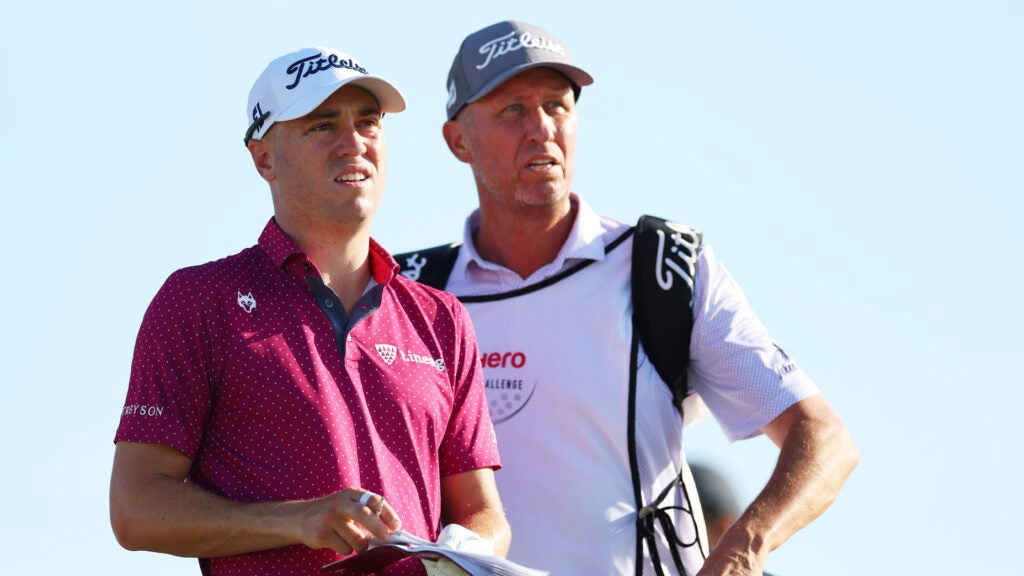
The professional golf world is as much about the delicate ecosystem of partnerships as it is about the swing mechanics of the athletes themselves. When Justin Thomas, a multi-time major champion and one of the most recognizable faces in the sport, announced the split from his long-term caddie, Jim “Bones” Mackay, it sent shockwaves through the sports marketing world. While fans were preoccupied with the tactical implications for Thomas’s game, the split serves as a masterclass in the evolution of personal branding, the strategic management of a public persona, and the risks inherent in high-profile professional associations.
The Architecture of a High-Profile Partnership
In the realm of elite sports, a caddie is far more than a bag carrier. They are part strategist, part psychologist, and part business partner. When a player of Justin Thomas’s stature aligns with a caddie of Mackay’s pedigree—a man who spent decades on the bag for Phil Mickelson—it is a strategic branding move. This synergy creates a “power duo” dynamic that influences sponsor perceptions, media narratives, and fan engagement.
The Power of Association
Personal branding in professional golf relies heavily on the “caddie-player ecosystem.” When these two entities merge, the brand value is multiplied. For a player, the choice of a caddie signals a commitment to excellence and a specific psychological profile. When Justin Thomas picked up Mackay, he wasn’t just hiring a veteran; he was anchoring his brand to a legacy figure. This association provided a veneer of prestige and institutional knowledge that helped insulate Thomas’s personal brand during periods of performance volatility.
Strategic Alignment and Public Perception
From a brand strategy perspective, the partnership functioned as a stabilizer. Golf is notoriously fickle; results fluctuate, and confidence wavers. By keeping a high-profile, respected figure by his side, Thomas maintained a narrative of stability. This is a critical component of professional branding: controlling the story. Even when the scorecard wasn’t favorable, the association with a respected veteran suggested that the “ship was in good hands,” preventing the narrative from spiraling into questions about the golfer’s internal management or decision-making.
The Disruption of the Brand Narrative
The decision to end a partnership of this magnitude represents a significant pivot point in personal branding. When a high-profile split occurs, the public inevitably scrutinizes the “why.” In the corporate world, this would be viewed as a restructuring or a change in strategic direction; in the world of professional athletes, it is often viewed as a failure or an admission of decline.
Managing the Fallout of Change
How an athlete communicates a split is a vital test of their brand’s resilience. Justin Thomas’s approach was one of classic corporate professionalism. By emphasizing mutual respect and the natural cycle of professional growth, he attempted to mitigate the potential for negative media speculation. This is an essential lesson in crisis management: when the status quo is disrupted, the brand owner must immediately fill the information vacuum with a narrative that favors their future prospects rather than their past shortcomings.
The Risk of Brand Dilution
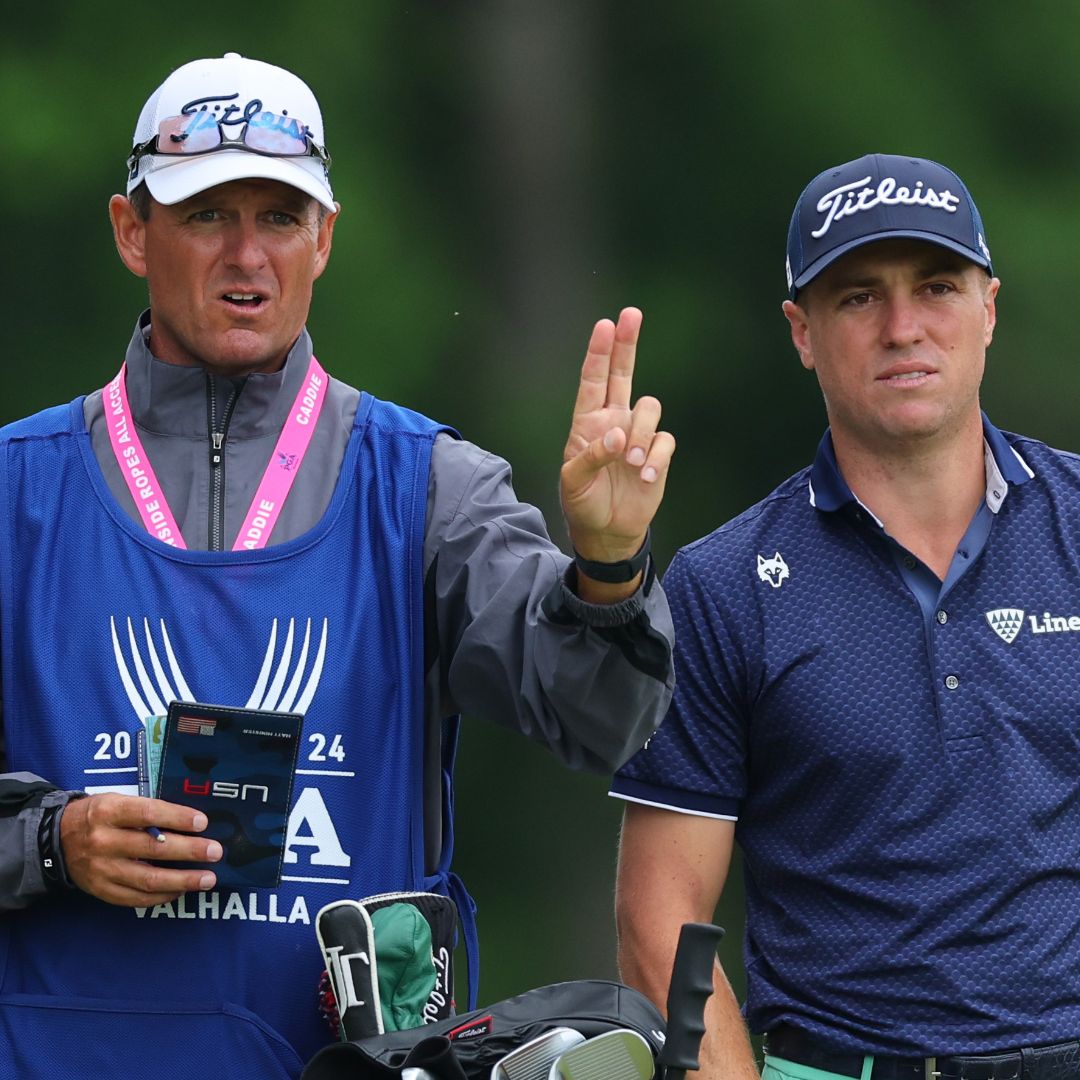
A major challenge when a player shifts caddies—especially after a high-profile pairing—is the risk of “brand dilution.” If the public perceives the caddie as the “architect” behind the player’s success, the player’s personal brand suffers a devaluation. If the player continues to struggle after the split, the narrative shifts from “the partnership wasn’t working” to “the player has lost their way.” Managing this transition requires the athlete to reassert their own brand identity, proving that their success is independent of the individual carrying the bag.
Leveraging Personal Branding for Long-Term Value
Justin Thomas’s career trajectory is a perfect case study in how elite athletes must view themselves as corporations. His brand is not just about his performance on the course; it is an asset that encompasses his endorsements, his public image, and the team he surrounds himself with.
The Caddie as a Brand Asset
Modern sports branding now requires athletes to treat their team members as brand extensions. A caddie is, effectively, an employee and a public representative. When a brand identifies that a particular asset is no longer contributing to the growth or stability of the overall entity, it must be pruned. This is the “culling” phase of brand strategy. It isn’t personal; it is strategic. Understanding that your team is part of your brand architecture is the hallmark of a mature professional athlete who views their career as a business enterprise.
Rebranding and Reasserting Authority
Following the departure of Mackay, Thomas faced a critical period of “rebranding.” He needed to signal to sponsors, the media, and his fans that the change was a deliberate, proactive step toward a new, more effective version of himself. This involved a shift in communication style, a focus on internal performance metrics, and a calculated effort to define the next chapter of his career on his own terms. By hiring a successor, he wasn’t just filling a vacancy; he was signaling a pivot in his tactical approach to the game, effectively rebranding his on-course persona from “student of the game” to “assertive veteran leader.”
The Future of Sports Partnerships as Branding Engines
The departure of a caddie from a star player’s orbit is never just about yardages or club selection. It is a fundamental shift in the brand’s human capital. As the financial stakes in professional golf continue to rise, the professional branding associated with these choices will become even more scrutinized.
Transparency vs. Privacy in the Digital Age
In an era where fans demand total transparency, athletes are caught in a tug-of-war between maintaining their privacy and feeding the brand-hungry digital machine. Justin Thomas’s transition highlights the importance of narrative control. By keeping the reasons for the change within a professional, respectful framework, he protected his image from becoming fodder for unnecessary scandal. This level of discipline is essential for any personal brand that aims to maintain long-term sponsorship viability and public goodwill.
Conclusion: The Strategic Pivot
What happened to Justin Thomas’s caddie, and the subsequent fallout, is a reminder that in the high-stakes world of elite performance, there is no such thing as a passive relationship. Every partnership, every hire, and every departure is a branding decision that shapes how the world perceives an athlete. For those looking to build, maintain, or pivot their own personal brands, the takeaway is clear: success is rarely achieved in isolation. It is the result of carefully curated associations. When those associations no longer serve the vision of the future, the ability to execute a professional, strategic transition is what distinguishes the amateurs from the true icons of their industry. Thomas’s move was not the end of a partnership; it was the recalibration of a brand, proving that the most important element of any personal brand is the individual’s ability to remain the central authority of their own career.
aViewFromTheCave is a participant in the Amazon Services LLC Associates Program, an affiliate advertising program designed to provide a means for sites to earn advertising fees by advertising and linking to Amazon.com. Amazon, the Amazon logo, AmazonSupply, and the AmazonSupply logo are trademarks of Amazon.com, Inc. or its affiliates. As an Amazon Associate we earn affiliate commissions from qualifying purchases.