
The Architecture of an Unconventional Personal Brand
In the landscape of modern Hollywood, few names evoke as much intrigue as Crispin Glover. While his filmography—spanning from the neurotic George McFly in Back to the Future to the enigmatic Thin Man in Charlie’s Angels—is impressive, his true legacy lies in his mastery of personal branding. Glover represents a rare case study in intentional brand positioning, where an artist chooses to prioritize creative autonomy over the lucrative, yet restrictive, machinery of mainstream celebrity.
For many observers, “what happened” to Crispin Glover is a question often framed through the lens of traditional success metrics. If success is defined by a consistent, ascending trajectory within the studio system, Glover’s path appears erratic. However, when viewed through the lens of brand strategy, his career is a masterclass in differentiation. He recognized early on that by refusing to be commodified as a standard “leading man,” he could cultivate a distinct, albeit niche, identity that remained entirely under his own control.

Cultivating an Identity Beyond the Script
Glover’s personal branding strategy is built upon the pillars of authenticity and inconsistency—or, more accurately, an unpredictable consistency. By intentionally deviating from the expectations associated with high-profile actors, he effectively disengaged from the corporate identity imposed by major film studios. This maneuver allowed him to bypass the “revolving door” fate of many actors who are discarded once their marketability wanes. Instead, he transformed himself into an auteur of the unusual.
His brand is not merely an extension of his performances; it is a holistic manifestation of his personal philosophy. Whether through his self-published books, his independent film projects like the It trilogy, or his touring multimedia performances, Glover ensures that his brand identity is tethered to his own creative output rather than the whims of a casting director.
The Value of Creative Autonomy
In professional branding, the ultimate goal is often to establish a reputation that is unshakeable, regardless of external market conditions. Glover achieved this by essentially opting out of the traditional marketing cycle of Hollywood. By maintaining total creative control over his independent works, he avoids the dilution of his brand that often occurs when an actor becomes a “hired gun” for projects that do not align with their established persona. This commitment to autonomy has insulated his brand from the fickleness of industry trends.
The Strategy of Strategic Withdrawal
To understand the trajectory of Crispin Glover, one must look at his departure from mainstream commercialism as a deliberate strategic choice. In the world of marketing, withdrawal can be as powerful as visibility if managed correctly. Glover did not disappear; he transitioned his brand into a high-barrier-to-entry space where his audience is dedicated, loyal, and unlikely to be swayed by standard industry critiques.
Navigating the Relationship with Mainstream Media
The media’s portrayal of Glover as an “eccentric” is, in itself, a form of branding. While critics and tabloid outlets often frame his unconventional behavior as a narrative of a “fallen star,” these reports inadvertently reinforce the very brand equity he has cultivated. By maintaining a distance from mainstream media outlets, Glover preserves his mystery. In a digital age where overexposure is the norm, his controlled presence creates a scarcity value that many brands fight for years to manufacture.
Leveraging Niche Markets
Glover’s business model is a textbook example of leveraging a niche market for long-term sustainability. By producing and distributing his own films and touring his multimedia “Big Slideshow” events, he eliminates the middleman. This direct-to-consumer model allows him to capture more of the economic value generated by his projects and ensures that his artistic vision is never compromised by the interests of financiers or studio executives. This is the hallmark of a resilient personal brand: the ability to generate revenue without reliance on a centralized gatekeeper.
Redefining Success and Longevity
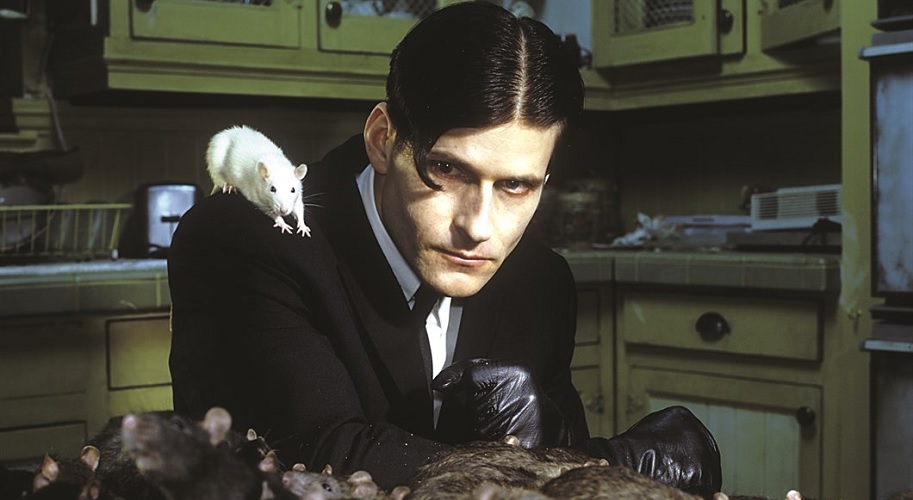
The discourse surrounding Glover often focuses on his lack of recent blockbusters, yet this ignores the reality of his career’s longevity. He has remained a recognizable figure in the cultural zeitgeist for four decades. In brand strategy, this is often called “top-of-mind awareness,” even when the product (the films) is not mainstream. He has turned his name into a brand synonymous with quality, quirkiness, and independent spirit—qualities that are highly defensible in a competitive market.
The Power of Intellectual Property Control
One of the most savvy aspects of Glover’s professional career is his stringent protection of his intellectual property and image rights. His famous legal battle against Universal Pictures regarding the unauthorized use of his likeness in the Back to the Future sequels served as a turning point in his branding history. By taking a stand, he asserted that his identity was his primary business asset—a move that predated the current conversations regarding AI, deepfakes, and the digital rights of creators. This proactive approach to protecting his personal brand identity illustrates a deep understanding of the legal and commercial stakes inherent in celebrity.
Building a Legacy on One’s Own Terms
Many professionals spend their careers trying to fit into a pre-existing box. Glover chose to build his own. By diversifying his output—incorporating literature, music, performance art, and cinema—he has created an ecosystem that supports his lifestyle and his creative endeavors. This ecosystem is not dependent on a “hit,” but rather on the sustained interest of a dedicated community.
When people ask “what happened” to him, they are fundamentally misunderstanding the nature of his career pivot. Nothing “happened” to him; he happened to his career. He took control of the narrative, bypassed the traditional marketing channels, and chose a path of intellectual and creative independence.
Lessons in Personal Branding Sustainability
The trajectory of Crispin Glover offers profound insights for anyone looking to build a career that survives the pressure of industry standards. His story is not one of decline, but of evolution.
Authenticity as a Business Asset
In a digital world where personal branding often feels performative and shallow, Glover’s career serves as a reminder that radical authenticity is a potent differentiator. He does not cater to a general audience; he attracts a specific one. By staying true to his personal aesthetic, he has avoided the pitfalls of “selling out,” which almost always results in a degraded brand identity. For entrepreneurs and creative professionals, the lesson is clear: your unique perspective is your most valuable market asset. Do not sacrifice it for short-term gain.
Long-term Planning vs. Short-term Trends
The modern professional is often pressured to react to every new trend, platform, or industry shift. Glover’s longevity is a testament to the value of long-term planning. By focusing on his own, self-contained projects, he has insulated himself from the volatile ups and downs of the Hollywood business cycle. His brand exists outside of the hype machine, which means it is immune to the inevitable cooling of industry interest.
Defining Your Own Metrics
Finally, the most critical takeaway from the Glover case study is the importance of defining your own metrics of success. If he had adopted the industry’s definition of success, he might have been forced into a career path that felt unfulfilling and unsustainable. Instead, he defined success by his ability to continue creating, to own his work, and to communicate directly with his audience. In the end, what happened to Crispin Glover is that he succeeded in becoming the one thing every brand strategist strives for: a category of one.
His journey provides a blueprint for how to maintain relevance without sacrificing the self. By treating his life’s work as a cohesive brand, he has ensured that his influence is not measured by box office receipts, but by the lasting impression he leaves on those who value creative integrity. He remains a testament to the fact that when you own your identity, you never truly disappear—you simply evolve.
aViewFromTheCave is a participant in the Amazon Services LLC Associates Program, an affiliate advertising program designed to provide a means for sites to earn advertising fees by advertising and linking to Amazon.com. Amazon, the Amazon logo, AmazonSupply, and the AmazonSupply logo are trademarks of Amazon.com, Inc. or its affiliates. As an Amazon Associate we earn affiliate commissions from qualifying purchases.