
In the lexicon of modern cinematic storytelling, few films command as much reverence for their atmospheric precision and character depth as Michael Mann’s 1995 crime masterpiece, Heat. While the film is often analyzed through the lens of the high-stakes chess match between Neil McCauley and Vincent Hanna, the peripheral characters—those caught in the gravitational pull of these titans—provide the emotional stakes that ground the narrative. Among them is Chris Shiherlis, played by Val Kilmer. Chris is the quintessential tragic figure of the professional criminal underworld: a man whose expertise in the field is matched only by his profound inability to navigate the complexities of his personal life. To understand what happened to Chris, one must look beyond the plot beats and examine the brand of professional identity he cultivated and how its ultimate fracture mirrors the cautionary tale of unsustainable personal branding.

The Professional Persona: Crafting the Expert Identity
Chris Shiherlis operates as the ultimate technician. In the world of high-end corporate crime—or, in this case, professional bank robbery—he represents the gold standard of execution. His brand is built on silence, reliability, and technical proficiency. Whether he is rigging explosives or handling heavy weaponry during the legendary downtown shootout, Chris is defined by his utility.
The Reliability Factor in High-Stakes Environments
In any high-performance industry, the most dangerous employee is the one who is technically brilliant but emotionally volatile. Chris’s value to Neil McCauley is immense because, for most of the film, his professional identity remains pristine. He is the partner who never misses a cue. In personal branding, this is often the “rock star” phase of a career, where an individual’s reputation for getting the job done provides a shield against the scrutiny of others. Chris understands his brand: he is the lethal shadow. He does not seek the limelight of leadership, nor does he crave the public recognition of a mastermind. He is a specialist.
The Erosion of Professional Boundaries
The collapse of Chris’s narrative begins when his professional brand bleeds into his personal life. His marriage to Charlene is the variable he cannot calculate. In business terms, Chris fails to maintain the “silo” required to keep his high-risk lifestyle separate from his personal capital. His identity as a provider and a family man is fundamentally incompatible with the identity of a fugitive bank robber. By allowing these two worlds to overlap, he diminishes his capacity for precision. Just as a corporate executive’s personal scandal can tank a company’s stock price, Chris’s infidelity and domestic instability become the “leaks” that alert the authorities to his location.
The Failure of Reputation Management
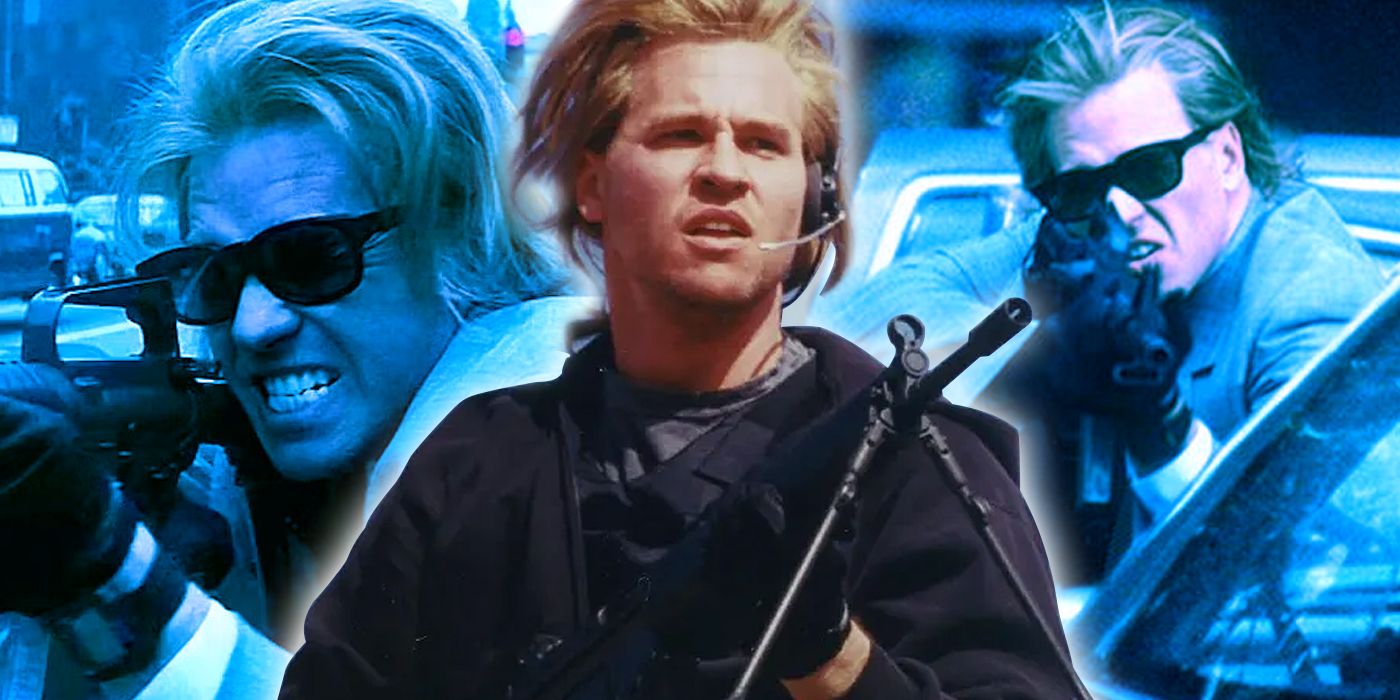
As the film progresses, we see the consequences of poor crisis management. When the LAPD begins closing the net, Chris is compromised not by his lack of skill, but by his inability to manage his reputation—specifically, the perception of his loyalty.
The Cost of Emotional Exposure
Chris is a man defined by his attachments. While Neil McCauley preaches the philosophy of “no attachments” as a prerequisite for survival, Chris is incapable of shedding his humanity. His brand as a “family man” is his Achilles’ heel. When Vincent Hanna and his team survey the suspects, they identify the weak link through social engineering. They identify who is vulnerable, who is reachable, and who is distracted. Chris’s inability to maintain a disciplined distance from his wife allows the police to use his emotions against him. In any professional strategy, leaving oneself open to emotional leverage is a fatal oversight.
Crisis Response and the Pivot
When things go wrong—most notably during the botched bank heist—Chris is forced into a reactive state. His professional brand, once synonymous with “cool-headed expert,” transforms into that of a “desperate fugitive.” This is the pivot point where the careerist becomes the liability. His transition from the streets of Los Angeles to the potential of a new life is fraught with the baggage of his past failures. He is wounded, physically and metaphorically, and his brand of “unstoppable professional” has been permanently dented by the intervention of the state.
The Legacy of the Displaced Professional
What truly happened to Chris Shiherlis is that he was forced into a state of permanent displacement. He is the ultimate example of the “failed exit strategy.” He possesses all the technical skills required to succeed in his chosen field, but he lacked the foresight to plan for the liquidation of his assets—both financial and emotional.
Managing the End-of-Career Transition
For those observing Chris through the lens of career development, his story serves as a stark reminder of the importance of exit planning. He remains attached to a high-risk enterprise long after the risk-to-reward ratio has turned negative. He holds onto his identity as a criminal even when the environment has shifted to make that identity untenable. He is essentially a legacy player in an industry that has moved on to a more sophisticated, technologically advanced form of surveillance. His inability to reinvent himself or to gracefully exit the high-stakes arena leads to a hollowed-out existence.

The Final Assessment of the Brand
In the final shots, as Chris looks out toward a horizon that promises both freedom and profound isolation, we are left to ponder the cost of his choices. He is a man who was excellent at what he did, but whose professional success could not compensate for the bankruptcy of his personal life. He remains a cautionary tale of what happens when one’s professional identity consumes everything else, leaving the person underneath with no foundation to stand on once the work stops.
Chris Shiherlis did not just lose the game; he lost the capacity to define himself outside of the game. He exists as a ghost in the machine of the film, a reminder that technical expertise, no matter how sharp, cannot save a person who has forgotten how to manage the human elements of their own life. His story is one of total brand exhaustion: he expended every ounce of his capital on a professional life that offered no return on investment, leaving him with nothing but the silence of the California highway and the weight of his own unresolved history. His tragedy is not that he was caught—it is that he was never truly free to be anything other than a professional liability.
aViewFromTheCave is a participant in the Amazon Services LLC Associates Program, an affiliate advertising program designed to provide a means for sites to earn advertising fees by advertising and linking to Amazon.com. Amazon, the Amazon logo, AmazonSupply, and the AmazonSupply logo are trademarks of Amazon.com, Inc. or its affiliates. As an Amazon Associate we earn affiliate commissions from qualifying purchases.