
The cinematic release of Midsommar did more than just unsettle audiences; it provided a masterclass in atmospheric branding and the power of visual identity. While the film is a work of folk-horror, its production design, color theory, and deliberate pacing serve as a profound case study for marketers and brand strategists. By subverting the traditional visual codes of “brightness” and “openness,” the film’s creators built a distinct, unmistakable brand identity that cemented itself in the cultural zeitgeist. To understand what happened in Midsommar from a brand perspective, one must analyze the intentionality behind its aesthetic, the psychological triggers of its narrative structure, and how it successfully differentiated itself in a saturated market.

The Power of Counter-Intuitive Aesthetic Branding
Most horror films rely on the “darkness” archetype—shadows, night settings, and muted palettes. Midsommar took the bold risk of doing the exact opposite. By choosing a perpetually sun-drenched, technicolor-saturated aesthetic, the film essentially “rebranded” the horror genre.
Disrupting Category Expectations
In any competitive market, standing out requires either superior performance or a radical departure from the aesthetic norms of the category. Horror, as a genre, had become stale, leaning heavily on low-light cinematography and jump scares. Midsommar succeeded by adopting a visual language that felt like a high-fashion editorial campaign rather than a slasher flick. This visual disruption functions like a “pattern interrupt” in marketing—when the consumer (the viewer) expects one thing, providing the polar opposite forces them to pay attention.
Color Psychology as a Competitive Advantage
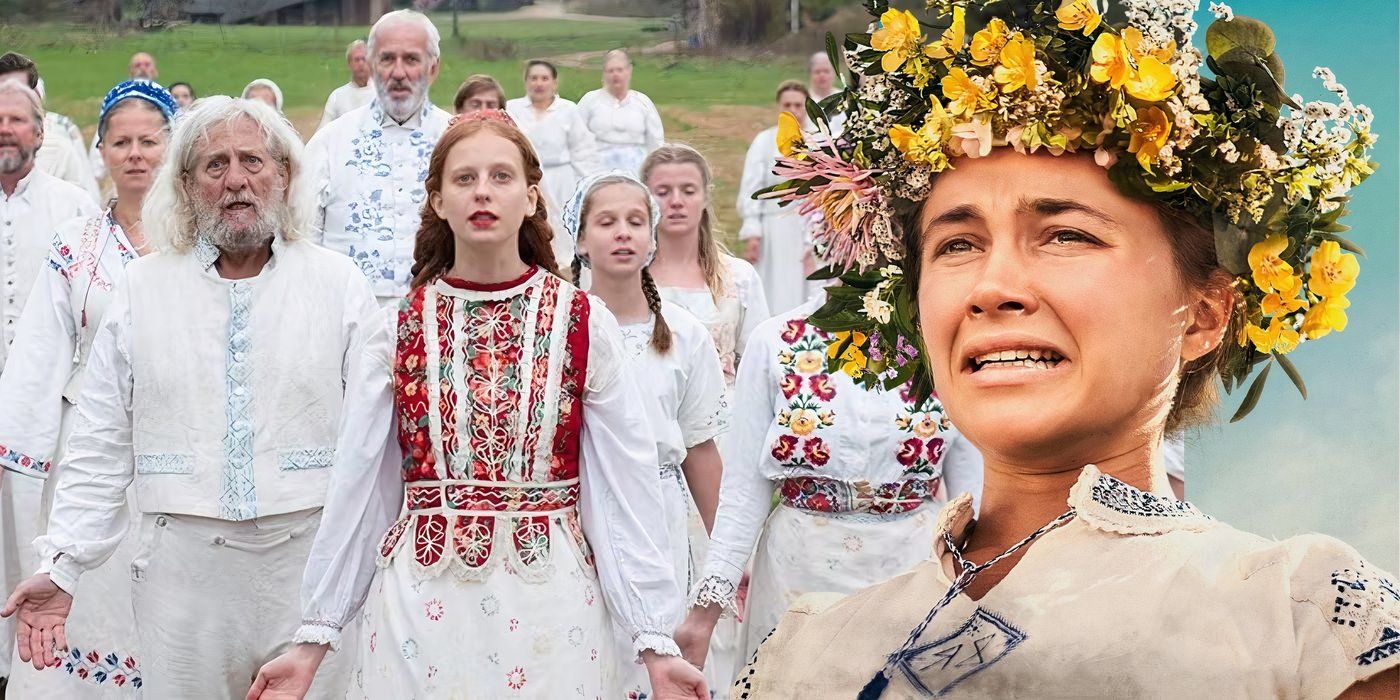
The film uses a specific, vibrant color palette—whites, yellows, and floral pastels—to evoke a sense of purity and innocence. In brand strategy, this is the equivalent of using “friendly” colors to mask a “complex” product. By associating traditional symbols of joy with communal trauma and ritualistic violence, the film creates a cognitive dissonance that keeps the audience hooked. For businesses, this proves that your aesthetic doesn’t just communicate; it dictates the emotional state of your consumer before they even engage with your core value proposition.
Narrative Architecture and Customer Retention
If the aesthetic was the hook, the narrative pacing was the retention strategy. Midsommar is not a film of quick cuts; it is a slow-burn experience that requires total immersion. This is effectively the “long-form content” of cinema, demanding sustained attention in an era of shortening attention spans.
The Value of Pacing in Brand Storytelling
Many brands suffer from “marketing impatience,” constantly pivoting or over-stimulating their audience with rapid-fire messaging. Midsommar demonstrates the power of the “slow-burn” campaign. By spending time on the minute details of the Harga culture—the specific tapestries, the intricate food preparation, the synchronized communal movements—the film builds immense narrative equity. When the final act arrives, the audience has invested enough time to care deeply about the outcome. Brands that adopt a similar approach, focusing on deep, nuanced storytelling rather than fleeting viral moments, often build much higher levels of long-term loyalty.
Synchronicity and Corporate Identity
The Harga people in the film function as the ultimate example of a perfectly aligned brand culture. Every member of the commune behaves with a unified purpose, wearing specific colors and participating in synchronized rituals. While their actions are morally abhorrent in the context of the story, from a corporate identity perspective, they represent the pinnacle of organizational alignment. There is zero friction between individual action and collective philosophy. Brands that achieve this level of internal alignment—where every employee, from the front-line staff to the C-suite, radiates the same core message—become virtually unstoppable in their market positioning.
Creating an Immersive Ecosystem
A brand is not just a logo; it is the entire ecosystem that a consumer inhabits. Midsommar succeeded because it created a fully realized world, complete with its own mythology, language, and customs. It wasn’t just a movie; it was a comprehensive experience.
Environmental Design as Brand Asset
The village of the Harga is an environmental brand asset. The architecture is specific, the layout is purposeful, and the cultural landscape is consistent. For modern brands, “environment” can translate to digital user experience (UX) or physical retail space. The consistency of these touchpoints is what creates a “cult-like” following. When a consumer walks into an Apple Store or interacts with a specific high-end app interface, they are stepping into a curated reality. Midsommar teaches us that the more distinct and immersive your world-building is, the harder it is for your audience to leave.
The Legacy of the “Visual Signature”
Even years after its release, Midsommar is instantly recognizable through a single frame. This is the goal of every successful brand: to achieve “immediate legibility.” If a consumer sees your ad, your product, or your social media post, they should not need to read your logo to know it is yours. The film’s focus on specific imagery—the floral dress, the wooden structures, the crown—created a visual shorthand that became a cultural meme. Brands that invest in proprietary visual symbols, rather than relying on generic imagery, ensure their longevity in the memory of their audience.
Lessons in Strategic Differentiation
The ultimate takeaway from Midsommar is the value of uncompromising vision. Throughout the production, the creative team stuck to a singular, cohesive aesthetic. They did not bow to the common tropes of their industry; they doubled down on their unique perspective, even when it seemed counter-intuitive.
The Risk of Being Polarizing
A brand that appeals to everyone often ends up being meaningful to no one. Midsommar is a divisive film—some find it boring, others find it brilliant. However, its polarized reception is exactly what made it a “classic.” In marketing, you want to be the brand that people have strong feelings about. Indifference is the enemy of growth. By being bold, specific, and unapologetic, you create a tribe of advocates who will champion your brand precisely because it isn’t “for everyone.”

Translating Art to Strategy
To replicate this success in a corporate setting, brand managers must be willing to kill their darlings—the generic, safe, or “expected” marketing choices. Instead, seek the “brightest, sunniest” angle for your own product or service. Ask yourself:
- What are the tropes of our industry that we can subvert?
- Is our visual identity truly unique, or are we copying the “standard” look of our competitors?
- Are we building an ecosystem that customers want to live in, or are we just shouting at them from a distance?
Midsommar happened in the cultural consciousness because it recognized that people don’t just want a product; they want an experience that feels authentic and singular. By treating the audience with the respect of their intelligence and refusing to take the easy, dark, or conventional route, the creators built a brand that defined a generation of cinema. Whether you are selling software or lifestyle products, the lesson remains the same: define your own world, fill it with consistent, purposeful details, and never apologize for the boldness of your vision. When you create something truly distinct, you don’t just occupy a space in the market; you create a category of one.
aViewFromTheCave is a participant in the Amazon Services LLC Associates Program, an affiliate advertising program designed to provide a means for sites to earn advertising fees by advertising and linking to Amazon.com. Amazon, the Amazon logo, AmazonSupply, and the AmazonSupply logo are trademarks of Amazon.com, Inc. or its affiliates. As an Amazon Associate we earn affiliate commissions from qualifying purchases.