
The Strategic Evolution of Christmas Day NFL Broadcasting
For decades, Christmas Day in the National Football League was an anomaly—a rare occurrence rather than a scheduled tradition. However, in recent years, the league has fundamentally shifted its brand strategy, transforming the holiday into a high-stakes marketing juggernaut. By securing the December 25th window, the NFL has moved beyond mere sports broadcasting to establish a dominant brand identity that competes directly with holiday programming and seasonal entertainment.
The Shift from Niche to Mainstream
Historically, the NFL avoided Christmas to preserve the sanctity of family time and prevent logistical friction with the Christmas Eve holiday. But as professional sports brands began competing for the dwindling attention span of the modern consumer, the “holiday takeover” became a necessity. The NFL realized that if they didn’t occupy this space, the NBA would. Consequently, the league’s marketing department restructured its calendar to ensure that Christmas Day serves as a focal point for fan engagement, driving television ratings to record-breaking levels during a time when most other industries are in a lull.
Establishing the “Event-Based” Brand
To build a sustainable brand, the NFL utilizes scarcity. By only placing specific, high-caliber games on Christmas, the league creates a sense of “event television.” This strategy creates a massive influx of marketing opportunities for sponsors, as the audience demographic on Christmas is unique—it is larger, more diverse, and more engaged than a standard Sunday afternoon crowd. For the NFL, this isn’t just about football; it is about corporate identity and positioning the league as the premier entertainment vehicle in the American cultural zeitgeist.
Financial Dynamics of Holiday Scheduling
From a business perspective, the decision to play on Christmas is a masterclass in revenue maximization. When we analyze the financial implications of this scheduling choice, it becomes clear that the league is operating with a focus on long-term capital growth and advertising premiumization.

Leveraging Advertising Premiumization
During the standard season, ad slots have a predictable value. However, the scarcity of Christmas Day games allows the NFL to command a premium price point for ad inventory. Corporations are willing to pay significantly more to be featured during a Christmas game because it guarantees exposure to a captive family audience that is usually unavailable during work-week games. This financial maneuver acts as a multiplier for the league’s overall broadcast revenue, effectively increasing the value of their media rights packages for future negotiations with streaming services and traditional networks.
The Impact of Streaming and Digital Partnerships
The strategic move toward playing on Christmas has also been a catalyst for the NFL’s transition into the digital-first economy. By partnering with streaming platforms like Netflix or Amazon for these specific holiday broadcasts, the league is testing new waters in digital distribution. This approach helps the NFL transition its core revenue model from legacy cable reliance to a diversified digital income stream. This pivot is essential for any modern organization aiming to maintain relevance in a market where the consumer’s financial commitment is moving away from cable bundles toward platform-specific subscriptions.
Marketing the Christmas Identity
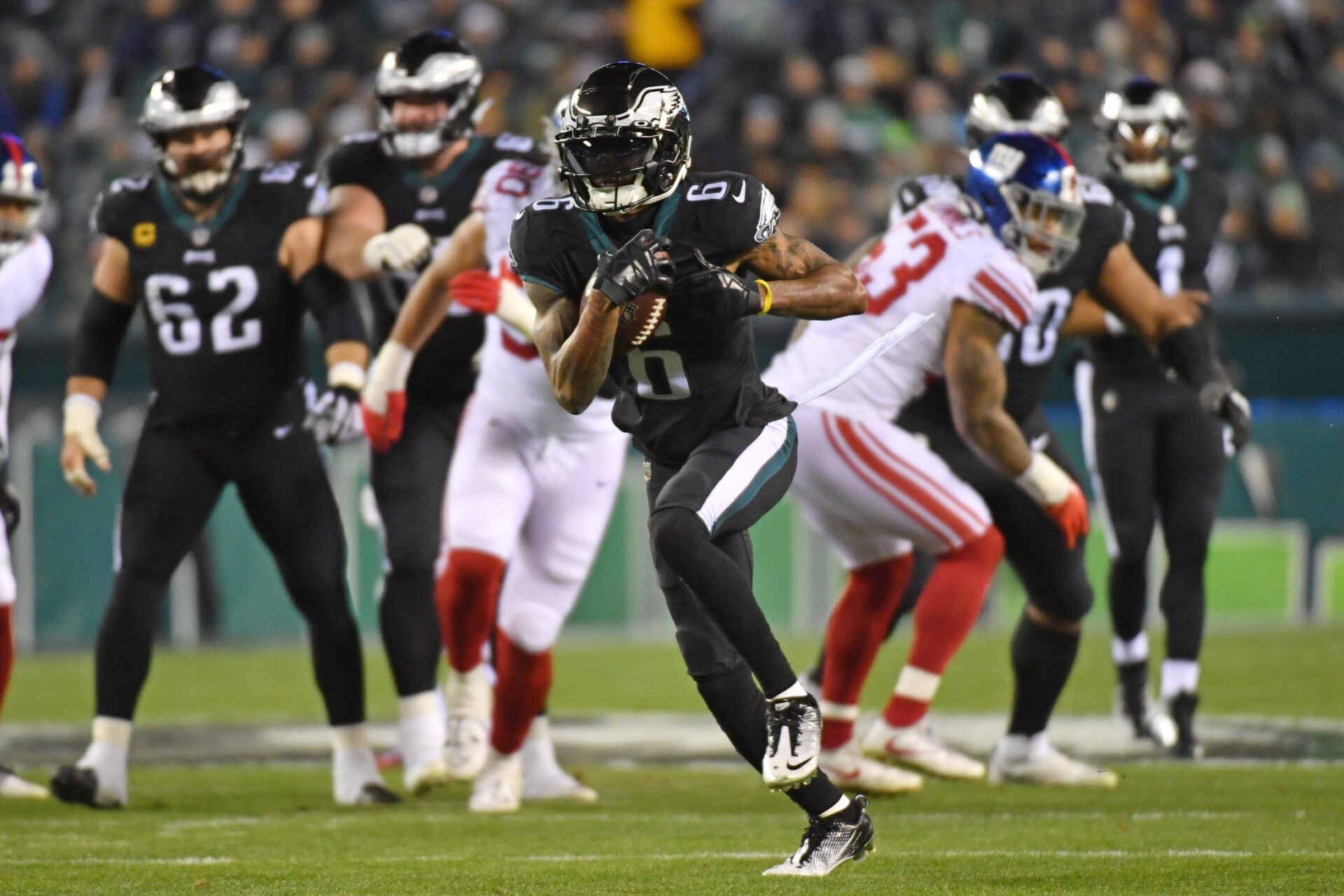
The success of the “Christmas Day Football” brand is not accidental; it is the result of a meticulously crafted marketing strategy designed to weave the sport into the fabric of the holiday season. The league has shifted its narrative from “games played on a holiday” to “the holiday experience includes the game.”
Humanizing the Brand Through Storytelling
The league invests heavily in the narrative arc of the players and coaches featured on Christmas. Through high-production vignettes and human-interest stories, the NFL transforms the athletes into symbols of dedication and perseverance. This storytelling approach is a cornerstone of effective personal branding; by highlighting the personal sacrifices of players who spend their holiday on the field, the NFL creates a stronger emotional bond with the audience. This emotional investment ensures that viewership remains high, even among fans who might not follow the league during the regular season.
Seasonal Integration and Commercial Synergy
The NFL’s brand strategy also involves significant cross-promotional activity with holiday retailers. By integrating game-day broadcasts with seasonal marketing campaigns, the league provides its corporate sponsors with a platform to reach millions of consumers during the peak retail spending period of the year. This synergy is mutually beneficial: retailers get eyes on their holiday promotions, and the NFL secures its position as an essential element of the December commercial cycle. It is a strategic alignment that ensures the brand remains synonymous with family gathering, gift-giving, and festive celebration.
Long-Term Sustainability and Brand Resilience
As the NFL continues to cement its place on the Christmas calendar, the question of long-term sustainability becomes paramount. Can the brand survive the potential fatigue of constant expansion? The answer lies in the league’s ability to remain adaptable and responsive to market feedback.
Maintaining Cultural Relevance
To maintain its brand dominance, the NFL must avoid over-saturation. The strategic decision to curate specific teams for Christmas—often focusing on regional rivals or high-performing playoff contenders—is designed to maintain interest. If the league were to schedule mediocre teams during this window, the prestige of the Christmas brand would diminish. By focusing on competitive parity and high-stakes match-ups, the NFL ensures that the Christmas brand remains “premium” in the eyes of both the consumer and the advertiser.
Adaptability in a Changing Landscape
The future of the NFL’s Christmas strategy will likely involve even deeper integration with technology and personalized fan experiences. As data analytics become more sophisticated, the league will be able to offer more customized content to fans watching from home. This level of engagement is critical for modern corporate identity; brands that fail to personalize their offerings often lose their competitive edge. By using the Christmas window as a sandbox for new digital features and interactive broadcasting techniques, the NFL is not only safeguarding its current revenue but also future-proofing its business against the shifting tides of the sports entertainment industry.
In conclusion, the NFL’s presence on Christmas is a calculated strategic maneuver that elevates the league from a sporting organization to a central pillar of the American holiday experience. Through a combination of premium scheduling, aggressive revenue optimization, and precise brand positioning, the league has ensured that the “Christmas game” is here to stay, serving as a testament to the power of well-executed corporate strategy in the modern era. The league has proven that it is not just playing a game; it is building a durable, profitable, and culturally indispensable brand that thrives by owning the calendar.
aViewFromTheCave is a participant in the Amazon Services LLC Associates Program, an affiliate advertising program designed to provide a means for sites to earn advertising fees by advertising and linking to Amazon.com. Amazon, the Amazon logo, AmazonSupply, and the AmazonSupply logo are trademarks of Amazon.com, Inc. or its affiliates. As an Amazon Associate we earn affiliate commissions from qualifying purchases.