
The hip flexors are a group of muscles located at the front of the hip joint that play a vital role in our daily movement. While often overlooked until they become tight or injured, these muscles are the engine room of our lower body, enabling everything from walking and running to sitting and standing. Understanding how they function, why they become problematic, and how to maintain them is essential for anyone interested in functional anatomy or long-term physical health.
The Anatomy and Function of the Hip Flexors
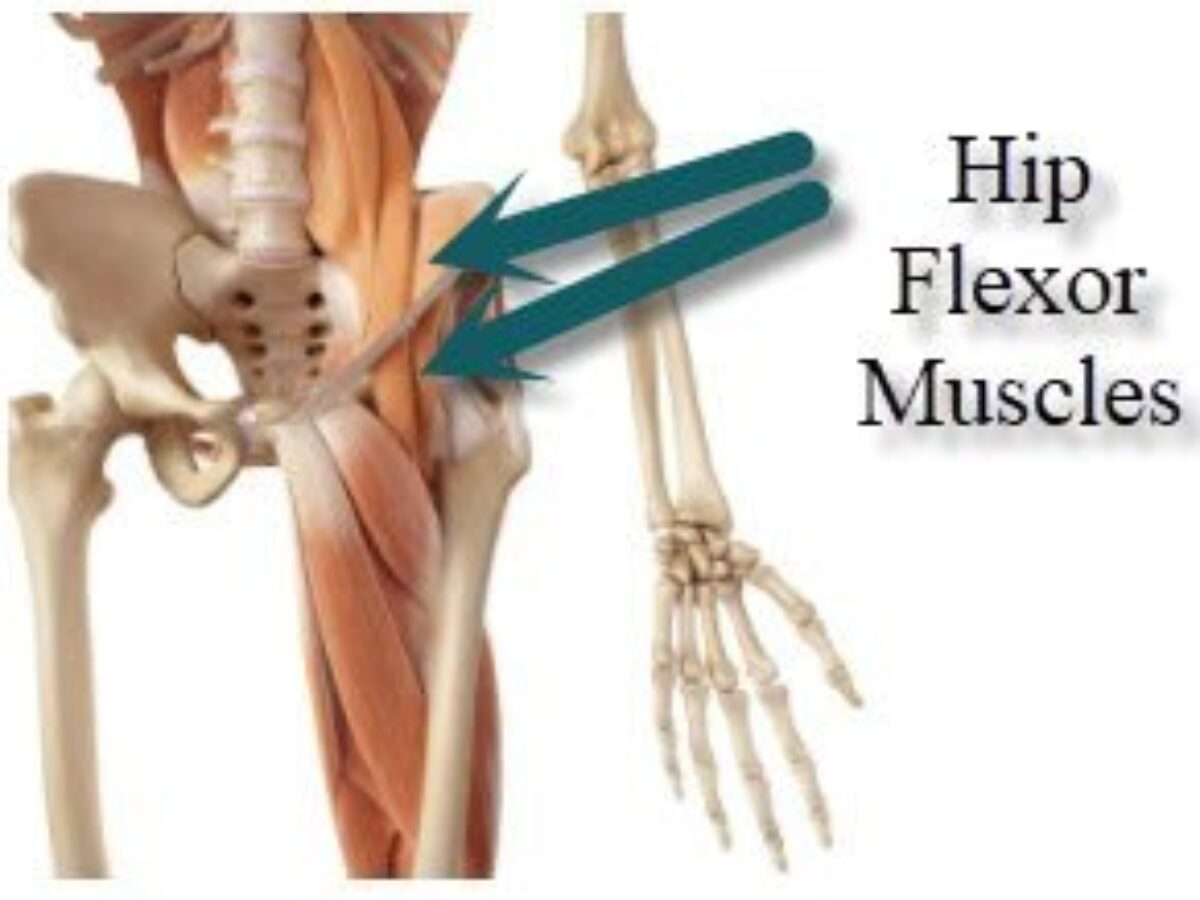
The hip flexors are not a single muscle, but a complex group of interconnected tissues. Their primary purpose is to flex the hip—bringing the knee toward the chest—and to stabilize the pelvis during movement.
Key Muscles in the Hip Flexor Group
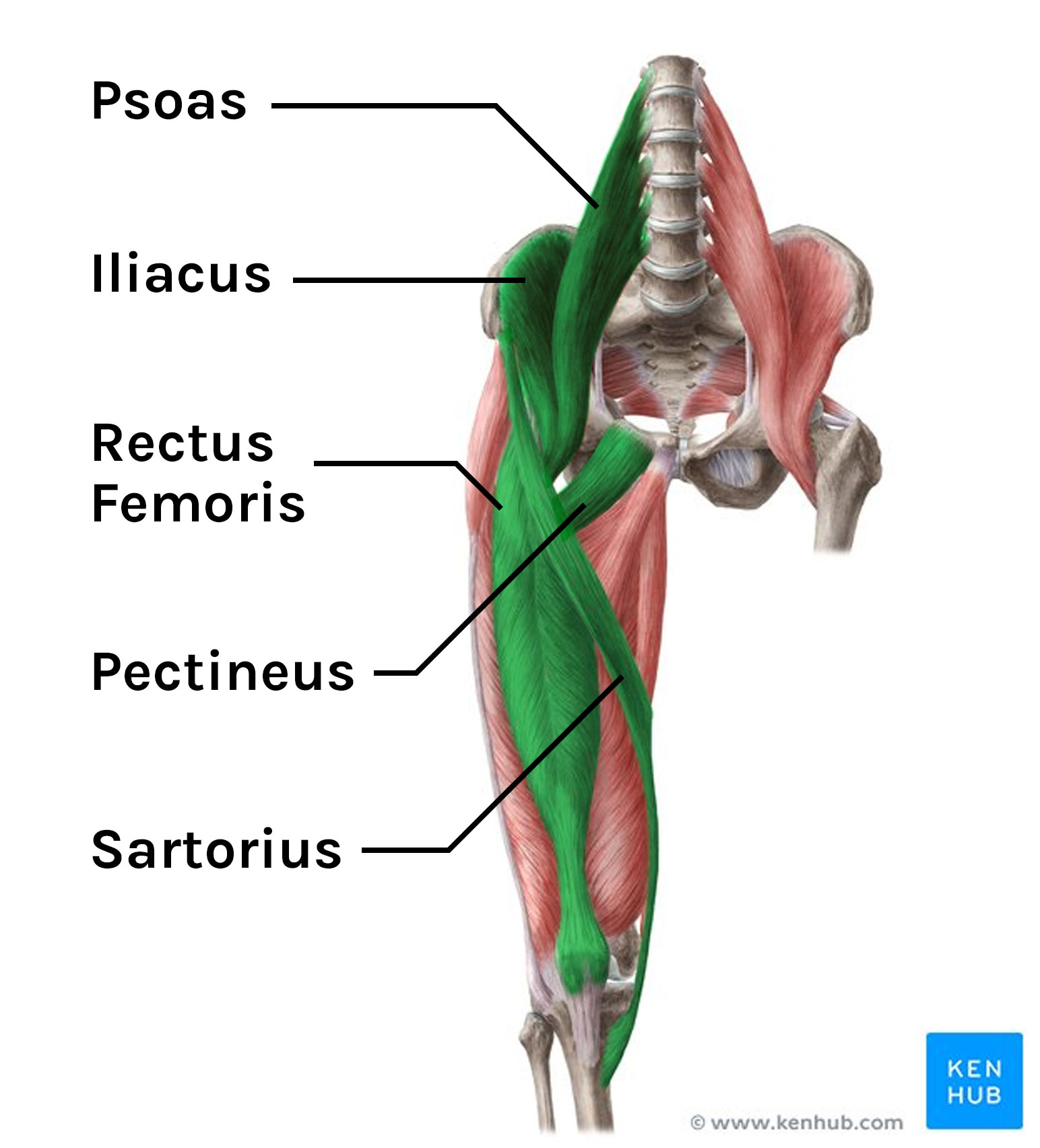
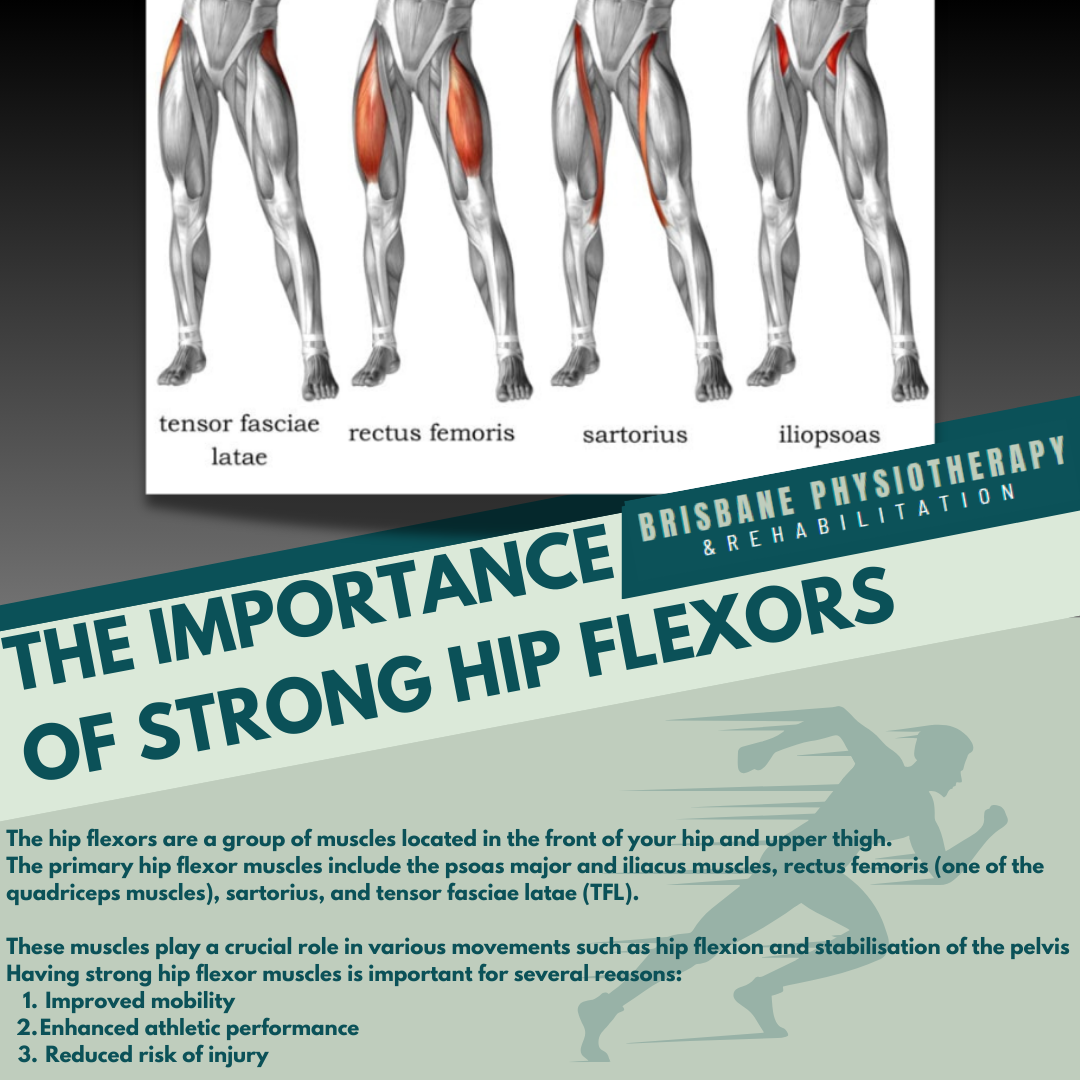
The most significant muscle in this group is the iliopsoas, which is comprised of two muscles: the psoas major and the iliacus. The psoas major originates in the lumbar region of the spine and travels down to attach to the femur (thigh bone). Because it connects the spine to the leg, it acts as a critical link between the upper and lower body. The iliacus, situated in the pelvic bowl, joins the psoas to create a powerful engine for lifting the leg.
Secondary muscles include the rectus femoris (one of the four quadriceps muscles), the sartorius (the longest muscle in the body), and the pectineus. Together, these muscles ensure that the hip joint remains mobile while providing the necessary tension to support the upright posture of the human skeleton.
The Mechanism of Hip Flexion
In biological terms, flexion is the action of decreasing the angle between two body parts. When you take a step forward, your hip flexors contract to pull your femur toward your torso. Beyond simple locomotion, these muscles are active during almost every athletic movement, including jumping, cycling, and kicking. Furthermore, they are involved in “core” stability. Because the psoas attaches to the lumbar spine, it helps maintain the natural curvature of the lower back. When these muscles are balanced, they provide a stable foundation for the entire kinetic chain.
The Consequences of Modern Lifestyle on Hip Health
In the modern era, the hip flexors have become a focal point for chronic pain and stiffness. This is largely due to the “sitting culture” that dominates professional life and sedentary recreational habits.
The Impact of Prolonged Sitting
When you sit for extended periods—whether at a desk, in a car, or on a couch—your hip flexors remain in a shortened, contracted position. Over time, the body adapts to this posture. The muscle fibers can lose their elasticity, a condition commonly referred to as “shortened hip flexors.” When you finally stand up after hours of sitting, these muscles may remain in their shortened state, pulling on the pelvis and the lumbar spine. This is a primary driver of lower back pain, as the tight hip flexors tilt the pelvis forward (anterior pelvic tilt), forcing the lower back muscles to overwork.
Symptoms of Tight Hip Flexors
Recognizing the signs of compromised hip flexor health is the first step toward resolution. Common symptoms include:
- A persistent dull ache in the front of the hip or groin area.
- Discomfort or tightness in the lower back after standing for long periods.
- Reduced range of motion during activities like deep squats or lunges.
- A feeling of “locking” or snapping in the hip when changing positions.
- Poor posture, characterized by an exaggerated curve in the lower spine.
If ignored, these tight muscles can lead to secondary issues. Because the body is an interconnected system, a lack of mobility in the hips often forces the knees and ankles to compensate, potentially leading to repetitive strain injuries in areas far removed from the actual source of the problem.
Strategies for Maintaining Hip Flexor Health
Maintaining healthy hip flexors requires a two-pronged approach: consistent mobility work to counteract the effects of sitting, and targeted strength training to ensure the muscles are resilient rather than just flexible.
Essential Mobility and Stretching Techniques
The goal of stretching is to return the hip flexors to their full, natural length. However, static stretching should be approached with caution.
- The Kneeling Lunge Stretch: Place one knee on the ground with the other foot flat in front of you. Squeeze the glute of the kneeling leg and push your hips gently forward while keeping your torso upright. You should feel a stretch in the front of the hip.
- The Couch Stretch: A more advanced version of the lunge, this involves placing the back foot against a wall or a couch cushion, creating a deep stretch in the rectus femoris and iliopsoas.
- Active Movement Breaks: The best way to prevent the hips from tightening is to interrupt sedentary periods. A simple walk every hour or standing desk intervals can prevent the muscles from “locking” into place.
Strengthening the Hip Flexors
Contrary to popular belief, a tight muscle is often a weak muscle. If the hip flexors are weak, they can become chronically tight as they struggle to handle the demands placed upon them. Strengthening the muscles allows them to be more resilient under stress.
- Leg Raises: Lying on your back and lifting your legs slowly strengthens the entire psoas complex through a full range of motion.
- High-Knee Marches: Integrating high-knee movements into a warm-up routine engages the hip flexors dynamically, ensuring they are prepared for more intense physical activity.
- Glute Strengthening: It sounds contradictory, but strengthening the glutes is essential for hip flexor health. The glutes and the hip flexors work in opposition; when the glutes are strong, they naturally inhibit the hip flexors from staying in a state of chronic, unnecessary tension, allowing them to relax more easily.
The Long-Term Importance of Hip Mobility
As we age, hip mobility becomes one of the most critical predictors of functional independence. Maintaining the ability to flex, extend, and rotate the hips ensures that we can continue to navigate the world comfortably.
Integrating Movement into Daily Life
Achieving long-term hip health is not about spending hours in the gym, but about making small, sustainable lifestyle modifications. This involves:
- Ergonomic Awareness: Adjusting chair height and computer monitor placement to encourage a more neutral pelvic alignment.
- Conscious Movement: Being mindful of how you sit. Avoid crossing your legs for extended periods, as this can exacerbate muscle imbalances in the pelvic girdle.
- Regular Assessments: Periodically testing your range of motion. Can you perform a full squat? Can you lunge comfortably? By keeping track of these markers, you can identify imbalances before they turn into chronic pain.
The hip flexors are the silent partners of our movement patterns. By treating them with care—prioritizing mobility, ensuring strength, and respecting the need for movement throughout the day—we protect not only our hips but our spines and lower limbs. Understanding the anatomy and function of these muscles is an investment in your physical longevity, ensuring that you remain capable, mobile, and pain-free throughout the various stages of life. Whether you are an elite athlete or a office worker, the health of your hip flexors is a fundamental component of your overall physical performance.
aViewFromTheCave is a participant in the Amazon Services LLC Associates Program, an affiliate advertising program designed to provide a means for sites to earn advertising fees by advertising and linking to Amazon.com. Amazon, the Amazon logo, AmazonSupply, and the AmazonSupply logo are trademarks of Amazon.com, Inc. or its affiliates. As an Amazon Associate we earn affiliate commissions from qualifying purchases.