
Environmental regulations and vehicle maintenance standards have become increasingly stringent over the past few decades. At the heart of these regulations lies the emissions test—a mandatory inspection process designed to monitor the pollutants discharged by internal combustion engines. For the average vehicle owner, understanding these tests is about more than just legal compliance; it is about ensuring that a vehicle is operating at peak efficiency, protecting both the environment and the longevity of the car’s mechanical components.
The Purpose and Mechanics of Emissions Testing
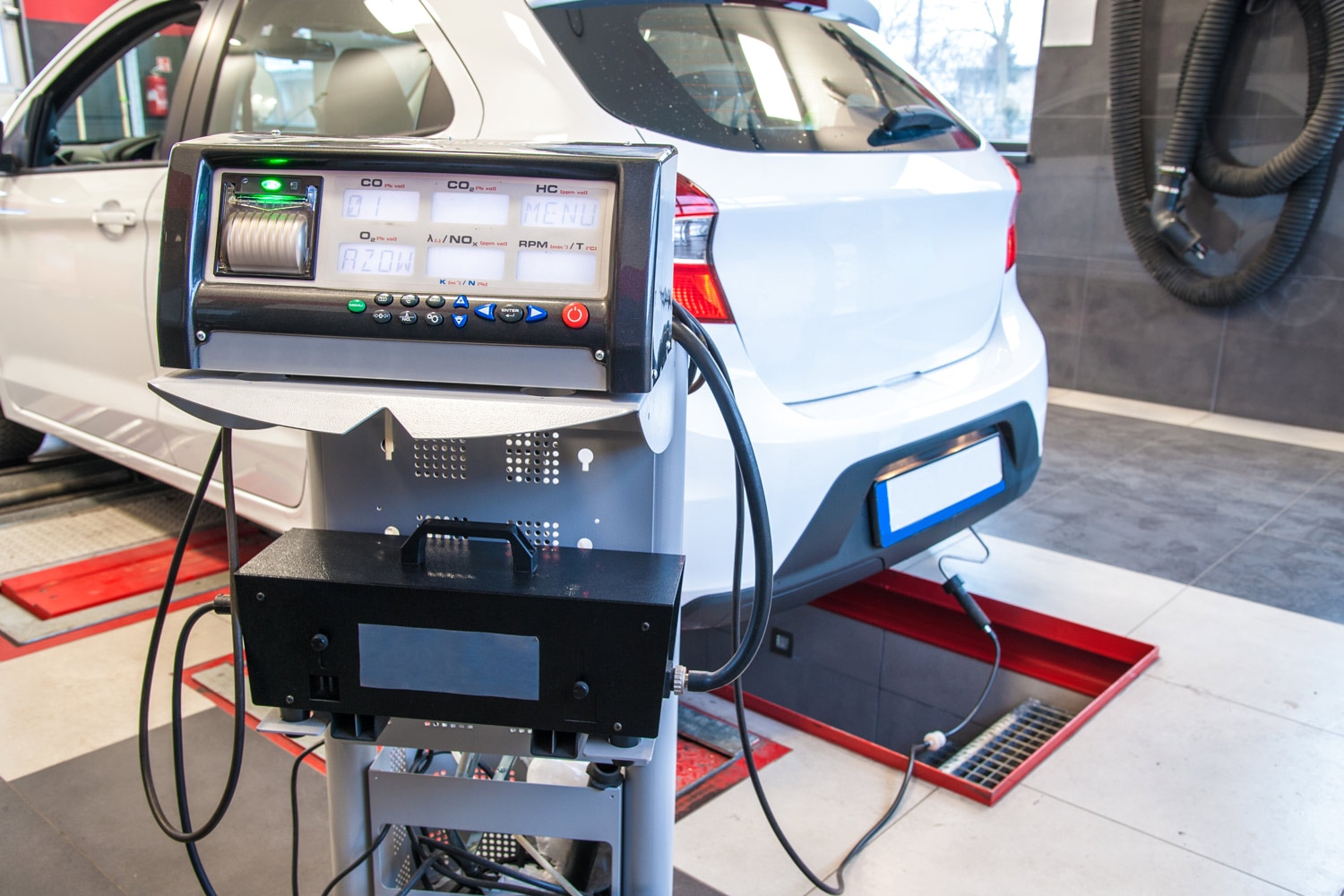
At its core, an emissions test evaluates the exhaust output of a vehicle to ensure it falls within established government safety and environmental standards. Vehicles powered by gasoline or diesel engines produce a variety of byproducts during the combustion process, including carbon monoxide (CO), hydrocarbons (HC), and nitrogen oxides (NOx). These gases contribute significantly to air pollution, smog formation, and respiratory health issues in densely populated urban centers.
Regulatory Frameworks
Government agencies, such as the Environmental Protection Agency (EPA) in the United States or equivalent bodies globally, set specific limits on how much of these pollutants a vehicle can legally emit. These standards are tiered based on the vehicle’s age, make, and model year. The primary objective is to curb the total volume of toxins released into the atmosphere, ensuring that manufacturers and owners remain accountable for the environmental footprint of their transportation choices.
The Diagnostic Process
Modern emissions testing typically involves two primary methods: the On-Board Diagnostic (OBD) test and the tailpipe inspection. The OBD test is the current industry standard for most modern vehicles. Technicians plug an analyzer into the vehicle’s Data Link Connector (DLC) to communicate directly with the Engine Control Unit (ECU). The ECU tracks the performance of the catalytic converter, oxygen sensors, and other emissions-control components. If the computer reports no errors or “readiness monitor” failures, the vehicle passes. Older vehicles that lack advanced onboard computers may undergo a tailpipe test, where a sensor is placed inside the exhaust pipe while the car runs on a dynamometer to simulate real-world driving conditions and measure the chemical composition of the gases leaving the exhaust system.
The Role of On-Board Diagnostics (OBD-II)
The transition toward digital vehicle monitoring has revolutionized the way emissions are tracked. Since the mid-1990s, the OBD-II system has been a standard feature in all light-duty vehicles. This sophisticated network of sensors acts as an early warning system, not just for environmental compliance, but for the overall health of the vehicle’s powertrain.
Monitoring Readiness
A common point of confusion for many drivers is the “readiness monitor” status. When a vehicle’s battery is disconnected or the engine computer is reset, the system must undergo a specific drive cycle—a series of driving conditions like stop-and-go traffic and highway cruising—to recalibrate its sensors. If a driver takes their vehicle for an emissions test immediately after clearing a “Check Engine” light, the test will likely fail, not necessarily because the car is polluting, but because the computer hasn’t gathered enough data to confirm its readiness.

Interpreting Sensor Data
The OBD-II system monitors the efficiency of the catalytic converter, which is arguably the most critical component in emissions control. This part uses precious metals to convert toxic gases into less harmful substances. By monitoring the oxygen sensors both before and after the catalytic converter, the ECU can determine if the system is scrubbing pollutants effectively. If these sensors detect a discrepancy, the computer triggers a fault code, alerting the driver that a repair is necessary. Understanding these codes is essential, as they often point to minor issues—like a loose gas cap or a faulty sensor—that can be corrected long before they manifest as severe engine failure.
Preparing for a Successful Inspection
Failing an emissions test is a source of frustration, but it is often avoidable with proactive maintenance. Many drivers view the test as an inconvenience, yet it serves as an excellent diagnostic checkpoint. When a car fails an inspection, it is an objective indicator that the vehicle is burning fuel inefficiently, which costs the owner more at the pump and risks permanent damage to the engine.
Essential Maintenance Checklist
Before heading to an emissions testing center, there are several steps a vehicle owner should take. First, address any illuminated dashboard warning lights. A “Check Engine” light is an automatic failure in most jurisdictions. If the light is on, have a technician scan the computer to identify the specific error code. Second, ensure that the vehicle has been driven for a sustained period recently. A car that only travels short distances at low speeds may have a buildup of carbon deposits. A long drive at highway speeds helps clear these deposits and ensures the catalytic converter reaches its optimal operating temperature.
Common Failure Points
High hydrocarbon levels are often the result of an ignition system that isn’t firing correctly, such as old spark plugs or worn-out ignition coils. High carbon monoxide levels, on the other hand, often point to a “rich” fuel mixture—meaning the engine is burning too much gasoline relative to the amount of air available. This can be caused by a faulty mass airflow sensor or a clogged air filter. Finally, always check the gas cap. A cap that does not seal correctly allows fuel vapors to escape, which is flagged by the emissions system as a “large leak” and will result in an automatic failure.
The Economic and Environmental Impact
The mandate for emissions testing is part of a broader shift toward corporate and personal responsibility regarding carbon footprints. While the immediate goal is cleaner air, the long-term impact extends to the automotive industry’s design philosophies and the economic burden of vehicle ownership.
Incentivizing Efficiency
The stringency of these tests has forced manufacturers to innovate. Today’s vehicles are vastly cleaner and more fuel-efficient than those produced thirty years ago. As testing standards continue to tighten, automakers are incentivized to invest in hybrid technology, advanced fuel injection systems, and improved aerodynamics. This cycle of regulation and innovation drives the automotive market forward, pushing for higher mileage and lower total cost of ownership over the vehicle’s lifespan.

The True Cost of Neglect
Neglecting emissions-related repairs is a false economy. While a replacement oxygen sensor or catalytic converter may represent an upfront expense, these parts are critical for maintaining proper fuel-air ratios. When an engine runs with a faulty emissions component, the ECU often compensates by dumping excess fuel into the cylinders. Over time, this decreases fuel economy, creates excessive soot buildup in the intake valves, and can eventually lead to catastrophic failure of the catalytic converter, which is significantly more expensive to replace than the sensors that monitor it. Therefore, viewing the emissions test as a routine health check for your vehicle is a prudent financial strategy that protects both the environment and your long-term investment in your transportation.
By understanding what is being tested and why, vehicle owners can navigate the inspection process with confidence. It is a vital component of modern vehicle ownership that aligns personal maintenance habits with global environmental goals, ensuring that the road ahead remains cleaner for everyone.
aViewFromTheCave is a participant in the Amazon Services LLC Associates Program, an affiliate advertising program designed to provide a means for sites to earn advertising fees by advertising and linking to Amazon.com. Amazon, the Amazon logo, AmazonSupply, and the AmazonSupply logo are trademarks of Amazon.com, Inc. or its affiliates. As an Amazon Associate we earn affiliate commissions from qualifying purchases.