
In the rapidly evolving landscape of digital culture, linguistic trends shift with dizzying speed. Terms that originate in the niche corners of the internet often permeate the mainstream before brands can even determine whether they are appropriate for professional use. One such phrase, “What the sigma,” has recently migrated from specific subcultures into the broader vernacular of Generation Alpha. For brand strategists and corporate identity managers, the question is not merely linguistic—it is strategic. Is “what the sigma” a benign colloquialism, or does it carry branding risks that could alienate target audiences?
The Linguistic Roots of the “Sigma” Archetype
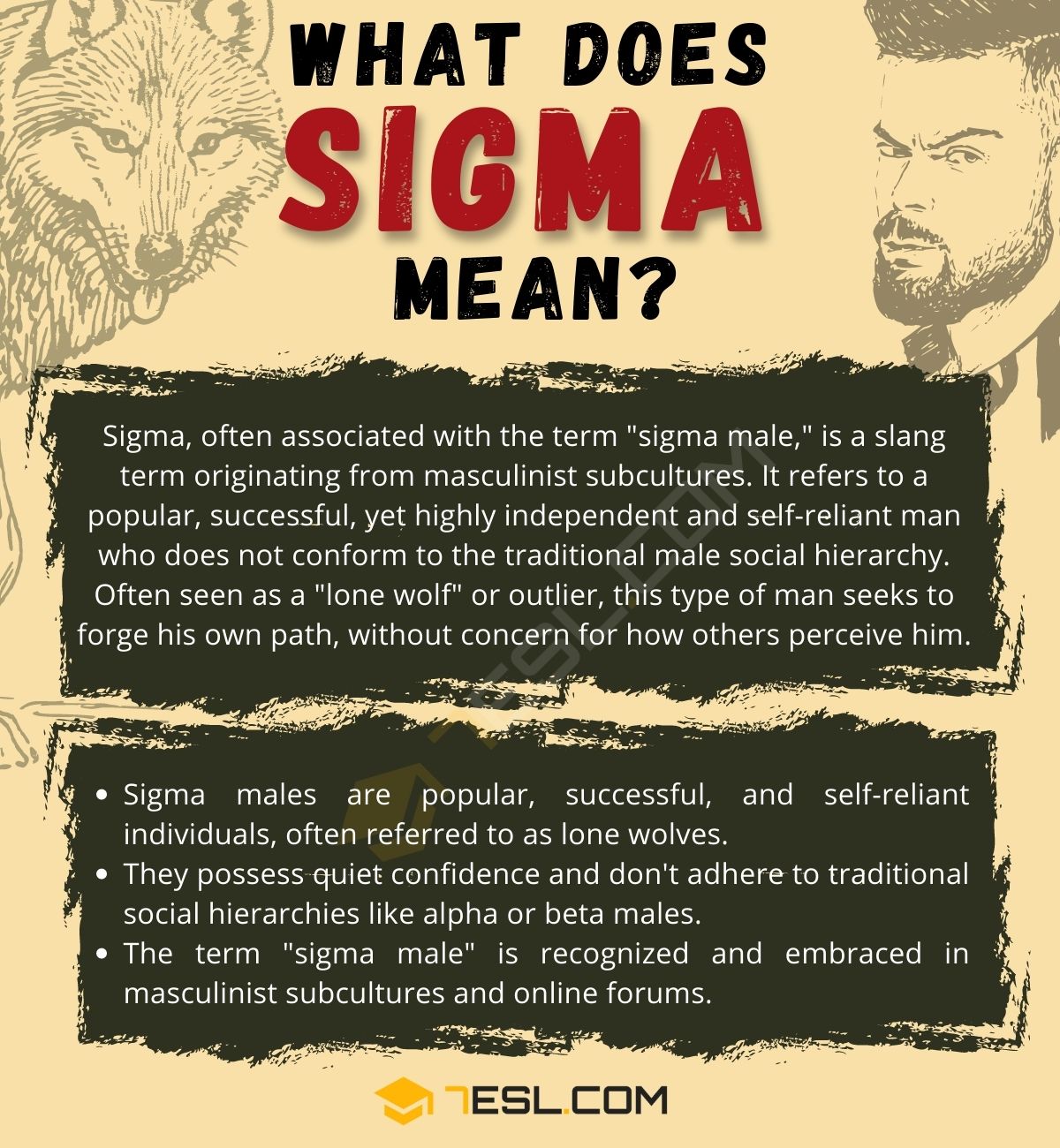
To understand the branding implications of the phrase, one must first look at the etymology of “sigma.” Originally derived from the Greek alphabet and later popularized by the “lone wolf” or “sigma male” archetype in internet culture, the term has undergone a significant semantic drift.
The Evolution from Archetype to Meme
Initially, the “sigma” label was used to describe a social hierarchy outlier—someone who operates independently of the traditional “alpha” status. Over time, however, the term was absorbed into the ironic, post-modern humor of Gen Alpha and Gen Z. By the time it reached the saturation point of “what the sigma,” it had effectively become a nonsense interjection, similar to “what the heck” or “what the flip.”
De-contextualization and Cultural Saturation
The phrase is now used primarily as a verbal shrug. It is a linguistic placeholder that signals an awareness of internet subculture without necessarily endorsing the underlying archetype. For brand managers, this is the most critical realization: the term has been de-contextualized. It is no longer tied to its original, sometimes controversial, “manosphere” roots. Instead, it functions as a marker of internet literacy and youth identity.
Branding Risks: Should Your Brand Adopt the Terminology?
When considering whether to integrate emerging slang into a corporate or personal brand strategy, the risk-to-reward ratio must be meticulously calculated. The “what the sigma” phenomenon presents a unique case study in the perils of trying to stay relevant.
The Perils of “Cringe” and Inauthenticity
The primary danger in adopting ephemeral slang is the “cringe” factor. When a corporate brand attempts to use Gen Alpha vernacular, the effort is frequently perceived as an out-of-touch attempt to chase trends. If a brand uses “what the sigma” in a marketing campaign, it risks alienating its core customer base by appearing disingenuous. Authentic branding relies on a consistent voice; adopting slang that does not align with a brand’s long-standing identity can shatter the trust built over years of engagement.
Cultural Sensitivity and Subtext
Even if the term has been de-contextualized, it still carries baggage from its inception. Brands operating in sensitive sectors—such as finance, healthcare, or corporate consulting—must weigh whether the term could be misinterpreted. If a consumer associates “sigma” with the toxic masculinity of its early internet usage, the brand risks a PR backlash. Regardless of how the youth are currently using the phrase, the internet has a long memory. A brand’s identity is too valuable to gamble on a term that lacks universal, positive associations.

The Strategy of Passive Observation versus Active Integration
For marketing professionals, there is a distinct difference between understanding a trend and actively using it in a content strategy. Successful brands often employ a policy of passive observation regarding internet slang.
Monitoring vs. Participation
You do not need to speak the language of a generation to reach them. Often, the most successful brands are those that observe the cultural zeitgeist without feeling the compulsion to participate in it. By monitoring terms like “what the sigma,” brands can keep a finger on the pulse of their target demographic’s digital lifestyle. This data can inform better creative direction, sharper copy, and more relevant visual assets without ever forcing the brand to use words that might undermine its credibility.
Knowing the Audience Threshold
If your target audience is Gen Alpha or younger Gen Z, the landscape changes. For brands whose core product is inherently youth-oriented—such as gaming platforms, apparel brands, or digital creator tools—there may be a higher tolerance for irony. In these niche environments, “what the sigma” might be seen as a sign of being “in the know.” However, this requires a deep understanding of the specific sub-communities being addressed. If the brand does not reside in the digital space where this slang is natively spoken, it should avoid it at all costs.
Protecting Corporate Identity in the Age of Viral Language
Brand strategy is fundamentally about consistency and trust. As the internet accelerates the lifecycle of language, the stability of a brand’s communication becomes its greatest asset.
Maintaining Brand Voice Integrity
A professional brand voice is built upon clarity and intentionality. Slang, by its very nature, is unstable. It is ephemeral, contextual, and prone to rapid changes in meaning. By tethering a brand’s communication to such a volatile element, you risk losing the authority that is essential to maintaining a corporate identity. A professional brand should strive to be the entity that provides value and structure, rather than the one struggling to translate the latest viral audio or comment section meme.
Mitigating Risks through Strategic Communication
Instead of focusing on whether a specific word is “bad,” focus on whether it is “functional.” Does the phrase add value to your communication? Does it clarify your brand’s mission? In the case of “what the sigma,” the answer for 99% of brands is a firm “no.” It adds noise rather than signal. Strategic communication should aim to rise above the fleeting nature of social media slang to establish a lasting connection with the audience.
Conclusion: The Verdict on “What the Sigma”
Is “what the sigma” a bad word? From a purely linguistic standpoint, it is a harmless interjection. It is not inherently profane, discriminatory, or malicious. However, from a branding and strategic standpoint, its usage carries significant risks. It is a marker of a very specific, volatile, and internet-native subculture.
For the professional brand manager, the takeaway is clear: recognize the term for what it is—a fleeting cultural curiosity—and keep it out of your official communications. True branding power comes from a foundation that transcends the viral nature of the internet. By focusing on quality, authenticity, and clear messaging, your brand will remain relevant long after the current wave of slang has been replaced by the next, even more inexplicable, digital trend. The goal of a brand is to lead the conversation through insight and reliability, not to chase the latest linguistic echo in the digital chamber. Keep your strategy anchored, your voice professional, and leave the “sigma” to the creators and the memes.
aViewFromTheCave is a participant in the Amazon Services LLC Associates Program, an affiliate advertising program designed to provide a means for sites to earn advertising fees by advertising and linking to Amazon.com. Amazon, the Amazon logo, AmazonSupply, and the AmazonSupply logo are trademarks of Amazon.com, Inc. or its affiliates. As an Amazon Associate we earn affiliate commissions from qualifying purchases.