
Understanding the demographic trajectory of a major metropolitan area is not merely an exercise in counting heads; it is a critical component of economic forecasting, real estate investment strategy, and municipal financial health. For investors, entrepreneurs, and financial analysts, the shifting population of Detroit serves as a bellwether for urban revitalization and long-term asset appreciation. To grasp the true value of the “Motor City” economy, one must look beyond the raw numbers and analyze what the current population statistics imply for the future of investment in the region.

The Quantitative Reality: Current Demographics and Trends
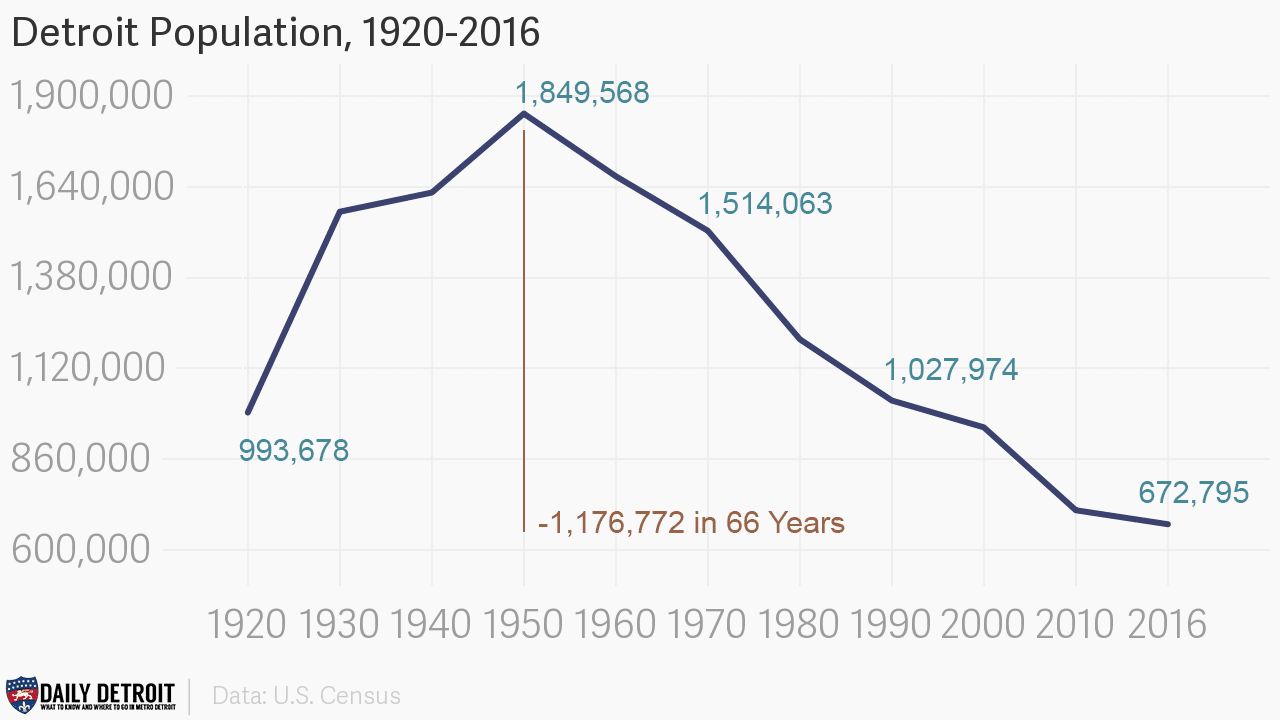
Recent census data and subsequent population estimates place the population of Detroit, Michigan, at approximately 630,000 to 640,000 residents. While this figure is significantly lower than the city’s historical peak during the mid-20th century, a nuanced financial perspective is required to interpret this data. For the investor, the relevant metric is not the sheer volume of the population, but rather the stability and the qualitative composition of that population.
The Shift Toward Stabilization
For decades, Detroit experienced a period of population decline that weighed heavily on its municipal bond ratings and real estate market liquidity. However, the last several years have shown signs of a demographic “bottoming out.” From a financial planning perspective, this transition from rapid decline to stabilization is the most critical indicator of potential market recovery. When a city stops bleeding residents, the demand for housing, services, and commercial space begins to normalize, creating a predictable environment for long-term capital deployment.
Economic Density vs. Total Population
Financial analysts often argue that the density of economic activity is more important than raw population counts. Detroit’s recent growth is concentrated in key corridors, particularly in the downtown, Midtown, and Corktown areas. By focusing on these high-density nodes, investors can leverage a population that is increasingly composed of young professionals and high-earning households. This demographic shift is directly correlated with higher median household incomes, which in turn drives the “velocity of money” within the local economy—a fundamental driver for business investment and retail growth.
Real Estate Investment: Capitalizing on Demographic Shifts
The relationship between population dynamics and real estate valuation is foundational to personal finance and wealth building. In Detroit, the population figures reveal a dichotomy: while peripheral neighborhoods continue to face the challenges of urban vacancy, the central business district and its surrounding neighborhoods are seeing an influx of residents that is driving property values upward.
The Impact of Housing Inventory on ROI
For the savvy investor, the current population levels provide a unique supply-and-demand landscape. Because the population decline left a surplus of housing inventory, Detroit remains one of the most affordable major markets in the United States. When you combine this affordability with a stabilizing population that is increasingly demanding modern amenities, the opportunity for value-add real estate projects—such as renovating older properties to meet current standards—becomes significantly higher than in hyper-inflated markets like New York or San Francisco.
Gentrification and Market Appreciation
From a wealth-building standpoint, tracking the population migration in Detroit is essential for identifying “up-and-coming” neighborhoods. Investors are currently looking at areas where population density is ticking upward due to new developments and improved infrastructure. By investing early in these specific sub-markets, one can capture the capital appreciation that typically follows as a neighborhood reaches a critical mass of residents. This is a classic strategy of identifying growth trends early and positioning assets to capitalize on the resulting demographic demand.

Economic Diversification and Long-Term Financial Viability
A city’s population health is inextricably linked to the diversity of its job market. A city that relies on a single industry is a risky investment, whereas a diversified city offers a hedge against sectoral downturns. Detroit is no longer just a manufacturing hub; its population is now supported by a burgeoning tech scene, a strong healthcare sector, and a growing financial services presence.
The Role of Corporate Relocation
The influx of corporate headquarters and satellite offices into the Detroit area acts as a primary catalyst for population stability. When major companies commit to long-term leases in the city, they bring with them a workforce that requires housing, transportation, and discretionary spending. For those managing a stock portfolio, watching the corporate footprint in Detroit is as important as tracking the census. A diverse corporate base ensures that the tax revenue—essential for city services and infrastructure—remains robust, which stabilizes the overall financial ecosystem for residents and business owners alike.
The “Brain Gain” Phenomenon
Financial markets react positively to the concentration of human capital. Detroit has seen an increase in the number of residents holding bachelor’s and advanced degrees over the past decade. This “brain gain” is a leading indicator of future economic prosperity. A population that is increasingly skilled tends to command higher wages, which leads to higher savings rates, increased consumer spending, and greater tax contributions. For businesses looking to scale, the current population composition in Detroit suggests a growing talent pool that is increasingly competitive and accessible.
Financial Planning Considerations for the Local Entrepreneur
For those considering starting or expanding a business in Detroit, the population data informs critical strategic decisions. The “What’s the population?” question really translates to “What is the size of my total addressable market?”
Targeting the Evolving Consumer
As the population profile shifts toward a younger, more tech-savvy demographic, the types of businesses that thrive in Detroit are changing. Small business owners should pivot their strategies to focus on digital-first service models, experience-based retail, and specialized service offerings. Understanding the current population density is key to site selection; businesses that locate in high-growth, high-density areas are far more likely to capture the foot traffic and spending power needed to break even and eventually scale.
Leveraging Local Incentives
Because of the city’s historical population trends, various financial incentives exist for those willing to invest in the city’s growth. Tax abatements, enterprise zone incentives, and low-cost development loans are often available to individuals who are contributing to the city’s revitalization. When performing a financial analysis for a new venture, these government-backed financial tools should be factored into the IRR (Internal Rate of Return) calculations. By aligning one’s business goals with the city’s development objectives, an entrepreneur can significantly reduce their risk exposure while participating in the broader economic turnaround of the metropolitan area.
Conclusion: The Bottom Line for Your Portfolio
The population of Detroit is more than just a statistic; it is a vital indicator of an economy in the midst of a profound pivot. While the city’s numbers are currently lower than in the early 20th century, the trend is one of stabilization and qualitative growth. For the investor, the personal finance enthusiast, and the entrepreneur, Detroit represents a market of significant latent value.
By understanding the interplay between population density, demographic shift, and economic diversification, one can make informed decisions that go beyond current headlines. Whether you are looking at real estate, equity investments, or business expansion, the key to success in Detroit lies in recognizing that the city’s financial narrative is shifting from one of legacy challenges to one of modern potential. The data is clear: the population has reached a turning point, and for those who monitor these trends with a professional eye, the opportunities for long-term wealth creation are substantial. Focus on the neighborhoods where population density is rising, invest in industries that support the growing skilled labor force, and leverage the unique financial incentives inherent in this emerging market. The future of Detroit’s economy is being written by the demographics of today—ensure your financial strategy is positioned to benefit from the next chapter.
aViewFromTheCave is a participant in the Amazon Services LLC Associates Program, an affiliate advertising program designed to provide a means for sites to earn advertising fees by advertising and linking to Amazon.com. Amazon, the Amazon logo, AmazonSupply, and the AmazonSupply logo are trademarks of Amazon.com, Inc. or its affiliates. As an Amazon Associate we earn affiliate commissions from qualifying purchases.