
In the fast-paced world of professional life, our health is our most valuable asset. When sudden gastrointestinal distress strikes, it can derail a week of high-stakes meetings, product launches, or financial projections. Understanding the nuances between a stomach virus—often referred to as viral gastroenteritis—and food poisoning is not just a matter of medical curiosity; it is a critical skill for maintaining productivity, optimizing recovery time, and managing your personal health brand. While both conditions share a similar clinical presentation, their origins, trajectories, and management strategies differ significantly.
The Etiology of Disruption: Viruses vs. Contaminants
To navigate these illnesses effectively, one must first distinguish the primary catalyst behind the symptoms. From a diagnostic standpoint, the distinction lies in the pathogen versus the byproduct.
The Viral Mechanism
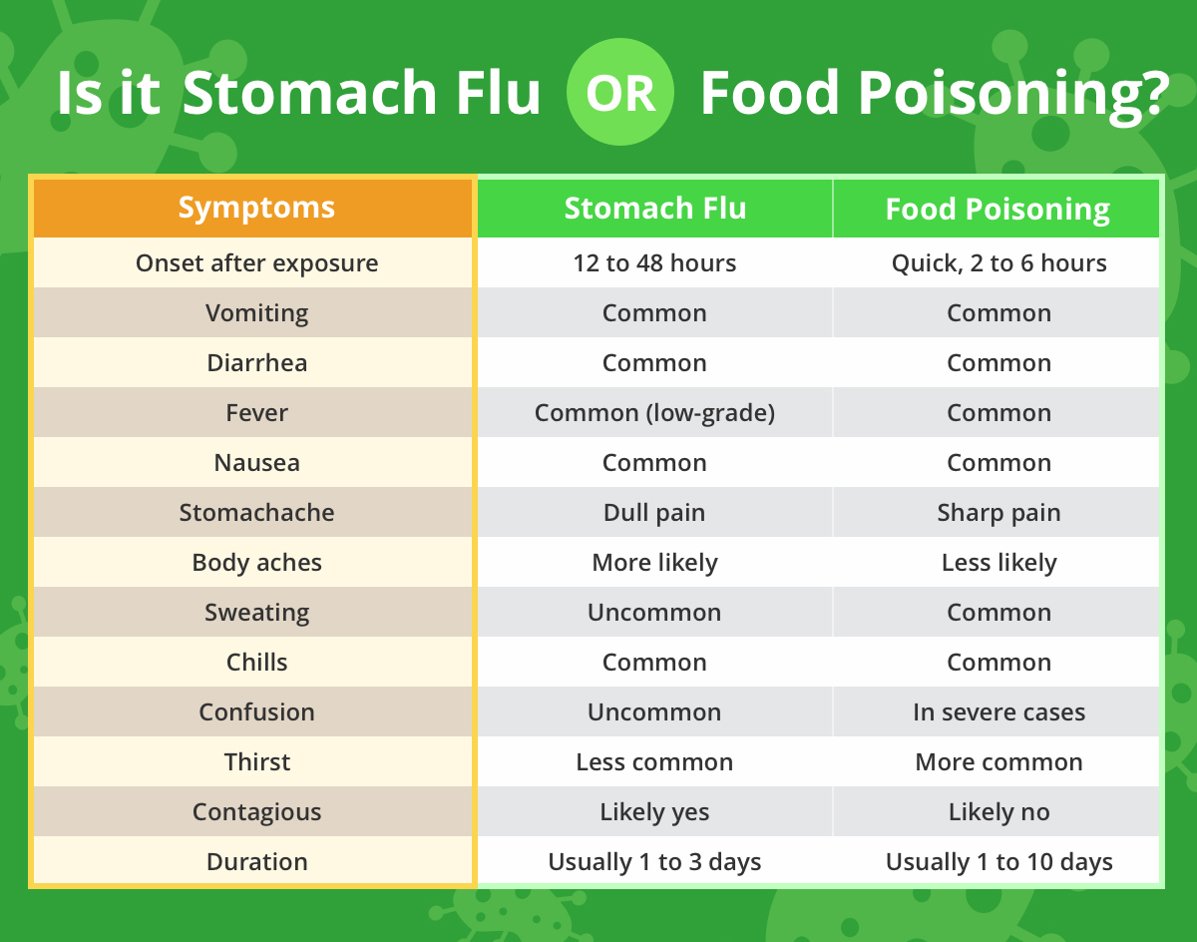
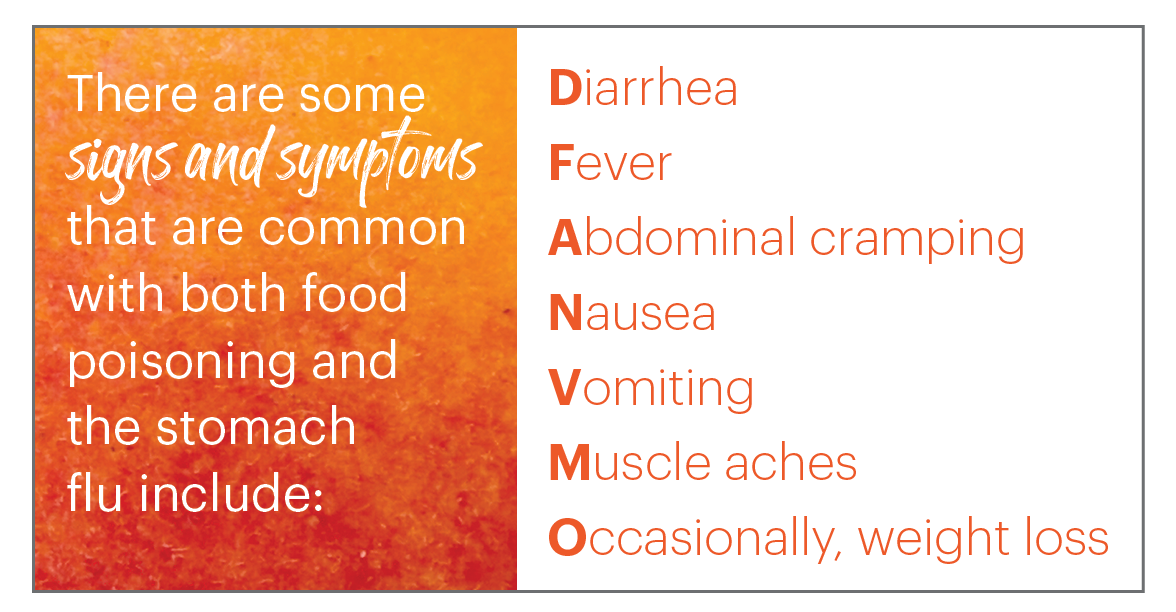
A stomach virus is a direct infection. Viruses, such as norovirus or rotavirus, are highly contagious. They typically spread through the “fecal-oral” route, which in a professional or social setting often means contact with contaminated surfaces, shared utensils, or close proximity to an infected individual. Once a virus enters your system, it actively replicates within the lining of your intestines, causing inflammation and the classic symptoms of nausea, vomiting, and diarrhea. Because the virus is actively replicating, it possesses an incubation period—the time between exposure and symptom onset—which usually ranges from 12 to 48 hours.
The Toxin Mechanism
Food poisoning, or foodborne illness, is not typically an infection in the traditional sense; rather, it is a toxic reaction. It is caused by consuming food or water contaminated with bacteria (such as Salmonella, E. coli, or Campylobacter), parasites, or the toxins produced by these organisms. In many cases of food poisoning, the culprit is a toxin that has already been created by bacteria proliferating on improperly stored or prepared food. Because your body is reacting to an ingested substance, the onset of symptoms can be remarkably swift. In severe cases, such as Staphylococcus aureus contamination, symptoms can appear within as little as 30 minutes to six hours after consumption.
Analyzing the Timeline and Symptom Progression
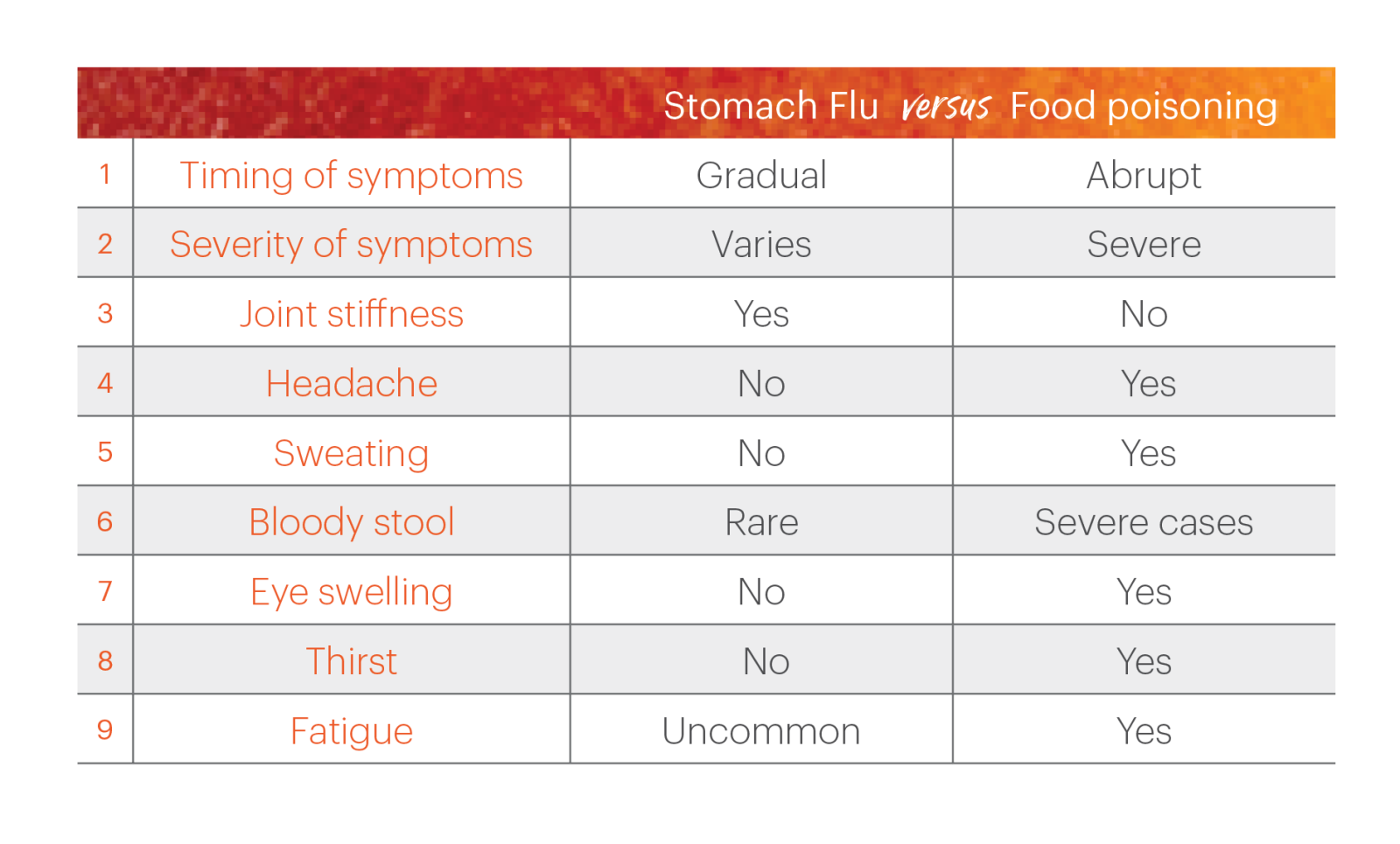
If you are attempting to determine which ailment is currently hindering your professional output, the most reliable metric is the timeline of the “attack.” Understanding the speed of onset allows you to better manage your immediate schedule and anticipate the length of your recovery.
The Rapid Onset of Food Poisoning
If you find yourself perfectly fine at lunch and incapacitated by dinner, food poisoning is the statistically probable culprit. The body recognizes the foreign toxin and initiates an immediate, aggressive evacuation response. Symptoms tend to be acute and intense but are often shorter-lived than those of a viral infection. Once the body has purged the contaminated food, recovery often begins to trend upward within 24 to 48 hours.
The Viral Persistence
A stomach virus is a marathon, not a sprint. Because the virus must run its course through your system, symptoms are often more systemic. You may experience low-grade fevers, body aches, headaches, and a profound sense of fatigue that lingers even after the primary gastrointestinal distress subsides. A viral infection will typically keep you on the sidelines for three to seven days, depending on your immune system’s efficiency.
Strategic Management and Recovery
In the context of maintaining a professional edge, recovery is a process that requires a data-driven approach. Mismanaging these days can lead to a “rebound effect,” where premature re-entry into high-stress environments leads to a relapse or prolonged exhaustion.
Fluid Dynamics and Electrolyte Restoration
Regardless of the cause, the primary risk to your productivity is dehydration. Diarrhea and vomiting create a deficit that impairs cognitive function and physical stamina. Do not rely solely on water. You must replace essential electrolytes—sodium, potassium, and chloride—to ensure your neurological and muscular functions remain stable. Utilizing oral rehydration solutions is a standard best practice, as they are formulated to be absorbed by the gut more efficiently than standard beverages.
The “Bland” Protocol
Post-illness, the digestive tract is hypersensitive. Reintroducing complex foods too quickly is a common error that leads to secondary digestive issues. Adhere to the BRAT diet (Bananas, Rice, Applesauce, and Toast) for the first 24 hours of returning to solid food. From a nutritional strategy perspective, view this as “rebooting” your digestive hardware. Introduce simple, easily digestible carbohydrates before returning to high-fiber, high-fat, or high-protein meals that require significant enzymatic labor to break down.
Preventive Measures for the High-Performer
Prevention is the ultimate form of productivity. By implementing structural changes to your daily habits, you can significantly mitigate the risk of these disruptions.
Hygiene as a Professional Standard
We often focus on digital security to protect our data, but physical security—protecting your immune system—is equally vital. Frequent handwashing with soap and water for at least 20 seconds remains the gold standard for preventing the spread of stomach viruses. In shared office spaces, consider the surfaces you touch frequently—keyboards, door handles, and communal coffee machines. These are high-traffic vectors for viral transmission.
Critical Consumption Habits
When it comes to food poisoning, the strategy is one of risk assessment. Avoid high-risk foods in environments where temperature control is questionable, such as long-standing buffet lines or informal catering events. When traveling for business, be hyper-vigilant about the water supply and the thoroughness of food preparation. If a dish is supposed to be served hot, ensure it is steaming; if it is supposed to be cold, ensure it is properly chilled. These small, data-backed choices act as an insurance policy against lost work hours.
Navigating the Professional Impact
When symptoms hit, the priority must shift from output to recovery. Attempting to “push through” a stomach virus or food poisoning is rarely successful and often counterproductive. A compromised individual makes errors, whether in decision-making or execution.
The Decision to Disconnect
Communication is key. Inform your stakeholders early if you are incapacitated. A clear, concise message—”I am dealing with a sudden illness and will be offline to recover”—maintains your professional brand integrity better than a ghosted email inbox or a sub-par performance on a conference call.
Knowing When to Seek Expert Help
While most cases are self-limiting, there are objective indicators that require medical intervention. If you experience blood in your stool, signs of severe dehydration (dizziness, lack of urination), high fevers that do not respond to over-the-counter interventions, or symptoms that show no sign of improvement after 48 hours, you have moved beyond the scope of home care. Consult a healthcare provider. In the grand scheme of your career, a preventative visit to a professional clinic is a minor investment compared to the potential long-term deficit of an untreated, escalating infection.
By maintaining a clear understanding of these two conditions, you equip yourself with the knowledge to react logically rather than emotionally. You treat the symptoms, manage the timeline, and safeguard your most important capital—your health—ensuring you return to your professional pursuits stronger and more resilient than before.
aViewFromTheCave is a participant in the Amazon Services LLC Associates Program, an affiliate advertising program designed to provide a means for sites to earn advertising fees by advertising and linking to Amazon.com. Amazon, the Amazon logo, AmazonSupply, and the AmazonSupply logo are trademarks of Amazon.com, Inc. or its affiliates. As an Amazon Associate we earn affiliate commissions from qualifying purchases.