
In an era where e-commerce is the backbone of the modern economy, shipping costs have become a significant line item for small business owners, side-hustlers, and budget-conscious individuals alike. Whether you are scaling an Etsy shop or simply sending a gift to a relative across the country, the complexity of shipping logistics can lead to unnecessary expenses. Understanding the mechanics of carrier pricing is essential to protecting your margins and keeping your personal finances in order.
Comparing the “Big Three”: USPS, UPS, and FedEx
The common misconception is that one carrier is universally cheaper than the others. In reality, pricing depends entirely on weight, dimensions, distance, and the urgency of the delivery. To optimize your shipping budget, you must learn to leverage each carrier for its specific strengths.
The USPS Advantage for Small Parcels
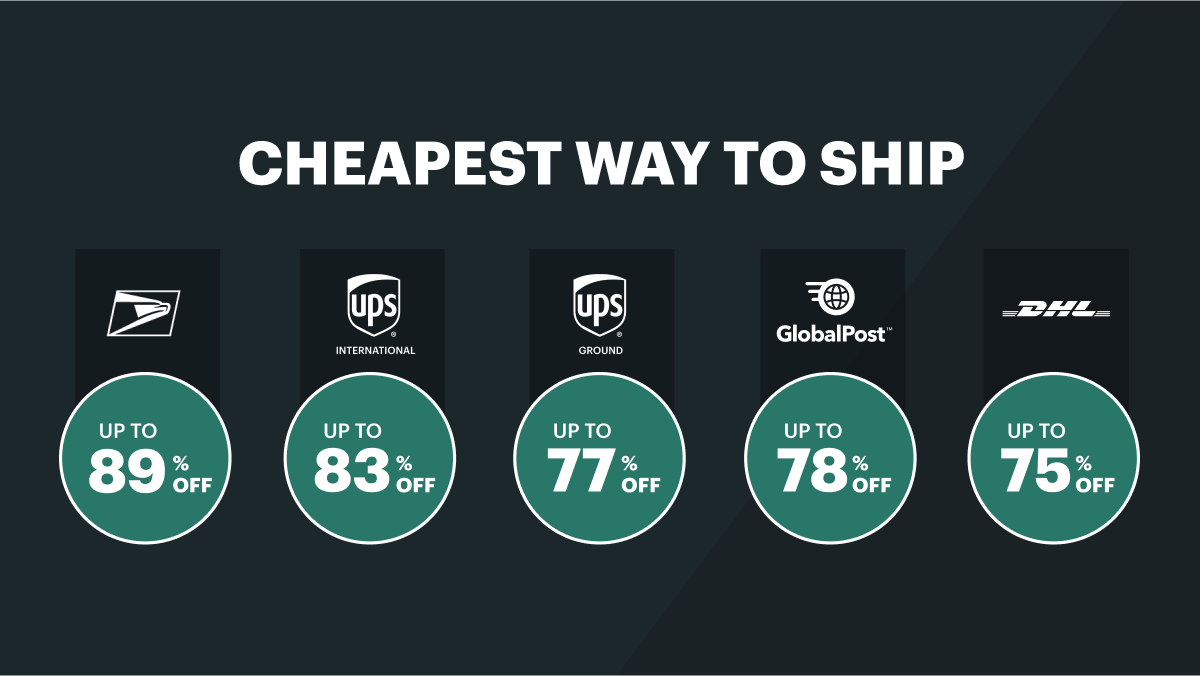
For items weighing under five pounds, the United States Postal Service (USPS) is almost always the most cost-effective option. Their flat-rate boxes are industry gold standards for heavy items that fit within specified dimensions. Because USPS covers the “last mile” to every residential address in the country, they do not charge the steep residential delivery surcharges that private carriers often impose. If your package is light and non-urgent, Ground Advantage is your best friend.
When to Utilize UPS and FedEx
UPS and FedEx are generally more expensive for lightweight items but become highly competitive for large, heavy, or high-value packages. They offer superior tracking, more robust insurance options, and higher reliability for time-sensitive deliveries. If you are shipping a 20-pound box, a private carrier’s ground service may actually undercut the Post Office. Furthermore, if you are running a business, establishing a commercial account with these carriers allows you to negotiate volume-based discounts that aren’t available to casual walk-in customers.
The Hidden Costs of Dimensional Weight (DIM)
One of the biggest mistakes consumers make is focusing solely on the weight of the package. Modern carriers utilize “Dimensional Weight” (DIM) pricing. This means they charge based on the amount of space a package occupies in their vehicle, not just how much it weighs.
If you ship a featherweight item in a giant, oversized box, you will be billed for a much higher weight class because of the volume that box consumes. To minimize costs, you must master the art of right-sizing your packaging. Use the smallest possible box that can safely house your item. Use professional-grade bubble wrap or kraft paper rather than oversized air pillows that force you into a larger box size. By reducing your package’s dimensions, you can often drop your shipping cost by several dollars per unit, which equates to significant annual savings.
Leveraging Third-Party Shipping Aggregators
If you are paying retail rates at the post office counter or the UPS Store, you are essentially throwing money away. Professional shippers use third-party shipping platforms—such as Pirate Ship, Shippo, or Stamps.com—to access “commercial pricing.”

Accessing Commercial Rates
Commercial rates are pre-negotiated volume discounts offered to large businesses. Platforms like Pirate Ship allow individual users to access these rates for free. By simply importing your orders or entering the shipment details into these platforms, you can save anywhere from 15% to 50% compared to the retail rates you would pay at a physical service center.
The Power of Batching
If you are managing a side hustle or a small online store, avoid shipping items one by one. By batching your labels, you streamline your workflow and minimize the time spent on logistics. These platforms also provide an audit trail of your shipping expenses, which is vital for end-of-year tax reporting and tracking your cost-of-goods-sold (COGS). Treating your shipping process like a corporate logistics operation, rather than a chore, is the most effective way to protect your bottom line.
Strategic Packaging and Carrier Preparation
The physical preparation of your package is not just about protection; it is a financial strategy. Carriers provide free supplies, but knowing how to request and use them is a skill in itself.
Utilizing Free Carrier Supplies
USPS provides free boxes for Priority Mail, but you must be careful: if you use a “Flat Rate” box, you must pay the Flat Rate price. If you use a standard Priority Mail box, you pay based on weight and distance. Never use these branded boxes for services like Ground Advantage or Media Mail, as the carrier will either reject the package or force an upgrade to a more expensive service upon arrival. Always keep a stock of plain, recycled cardboard boxes for your non-expedited shipments to remain flexible with your carrier choice.
Negotiating Residential vs. Commercial Addresses
If you have the option, shipping to a commercial address is often cheaper than shipping to a residential one. Residential surcharges are a standard part of private carrier pricing models. If you are sending items to a friend or customer who works in an office setting, requesting their work address can save you a nominal fee per package. While it may seem small, these fees compound quickly when you are shipping dozens of packages a month.
Financial Habits for Long-Term Savings
Beyond the tactical steps of choosing a carrier and box size, maintaining a healthy budget for shipping requires a shift in mindset. Shipping should not be viewed as a sunk cost, but as a variable expense that can be optimized through data.
The “Free Shipping” Trap
E-commerce sellers often feel pressured to offer free shipping to stay competitive. However, if you are not calculating your shipping costs down to the penny, you are eroding your profit margins. If you offer free shipping, ensure that the price of the item reflects the cost of the logistics involved. Incorporate your average shipping cost into your pricing structure rather than treating it as a deduction from your take-home pay.
Budgeting for Insurance and Tracking
Deciding whether to purchase insurance is a financial balancing act. For high-value items, the extra cost is a necessary hedge against risk. However, for low-value items, the cost of insurance often exceeds the cost of a potential replacement. A better strategy is to keep your shipping volume consistent and build a small “reserve” fund for lost or damaged goods. Over time, the money you save by opting out of unnecessary insurance will likely exceed the cost of replacing the rare package that goes missing.
Regular Audits
Once a quarter, review your shipping invoices. Identify which zones (distance tiers) you are shipping to most frequently and determine if there is a more efficient carrier for those specific routes. Sometimes, a regional carrier—a service that focuses on a specific geographic area—can provide faster, cheaper shipping than the national giants. By staying agile and willing to switch services based on the destination, you ensure that your shipping costs remain optimized regardless of fluctuating fuel surcharges or rate hikes.
Ultimately, the cheapest way to ship a package is rarely about finding a single “magic” service. It is about consistency, the use of commercial-rate software, right-sizing your packaging, and treating every cent spent on postage as an investment in your financial health. By applying these professional strategies, you turn an everyday errand into a disciplined financial exercise, ensuring that your money stays in your pocket rather than with the carrier.
aViewFromTheCave is a participant in the Amazon Services LLC Associates Program, an affiliate advertising program designed to provide a means for sites to earn advertising fees by advertising and linking to Amazon.com. Amazon, the Amazon logo, AmazonSupply, and the AmazonSupply logo are trademarks of Amazon.com, Inc. or its affiliates. As an Amazon Associate we earn affiliate commissions from qualifying purchases.