
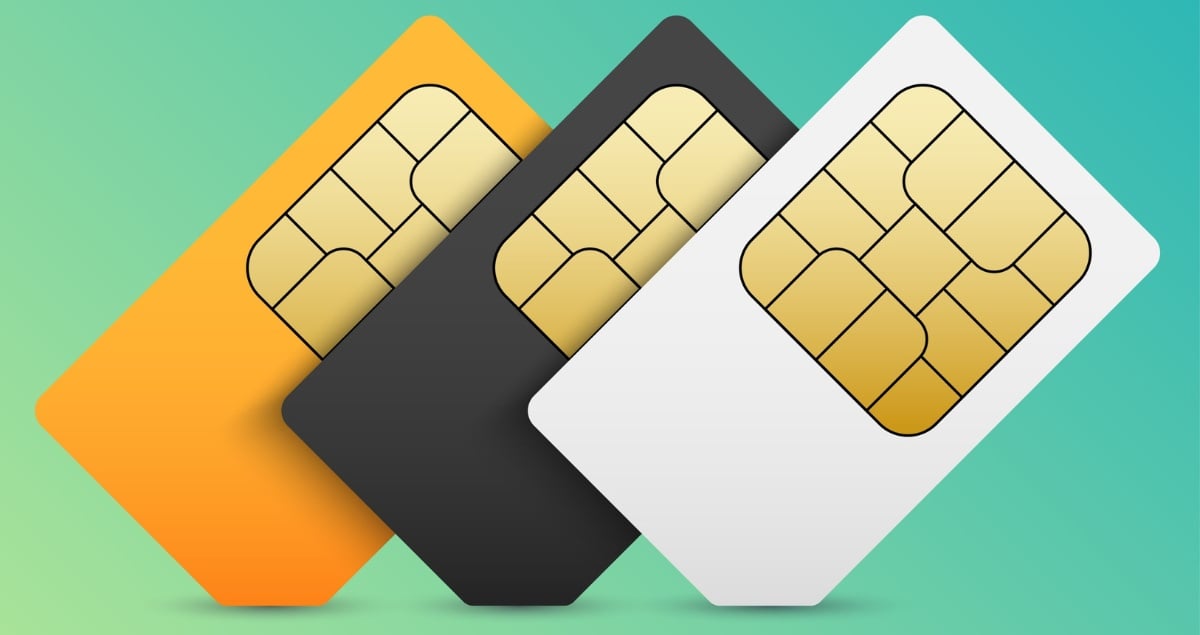
The Subscriber Identity Module, universally known as the SIM card, has served as the backbone of mobile telecommunications for over three decades. While most users perceive it merely as a plastic chip that grants them access to a cellular network, the reality is that the SIM card is a sophisticated, highly secure microcomputer. It operates as a bridge between the physical device and the global telecommunications infrastructure, storing essential data that verifies your identity and protects your digital footprint. To understand what lies on these miniature processors is to understand the history of mobile security and the evolution of connectivity.
The Architecture of Identity: Stored Data and Protocols
At its core, a SIM card is a secure element—a tamper-resistant platform capable of running small applications. Despite the shift toward cloud-based profiles and eSIM technology, the foundational data stored on a physical SIM card remains remarkably consistent, dictated by international standards such as GSM (Global System for Mobile Communications).
The IMSI: Your Global Fingerprint
The most critical piece of data on any SIM card is the International Mobile Subscriber Identity (IMSI). This is a unique 15-digit number that identifies the user on the network. It is not tied to your phone number, but rather to your account with your service provider. When you turn on your mobile device, the SIM card sends this IMSI to the network operator. The operator then checks its home location register to verify your account status and permissions. Without the IMSI, the cellular tower would have no way of knowing who is trying to connect or whether they are authorized to access the network.
Authentication Keys (Ki) and Security Algorithms
The SIM card also holds the Authentication Key (Ki), a strictly protected secret value used to authenticate the subscriber. This key is never transmitted over the airwaves. Instead, the network challenges the SIM card by sending a random number; the SIM processes this number using the Ki and a pre-stored security algorithm, then sends back a “signed response.” If the response matches the network’s calculation, access is granted. This mechanism is the primary reason why it is virtually impossible to “spoof” a SIM card or intercept cellular calls simply by knowing the phone number.
Service Provider Details and ICCID
Beyond the core security files, the SIM contains the Integrated Circuit Card Identifier (ICCID), which is the long serial number printed on the physical card itself. This identifier helps the carrier track the lifecycle of the card. Additionally, the SIM stores the Service Provider Name (SPN) and network preferences, which instruct your phone on which roaming partners to prioritize when your home network is unavailable.
Personal Storage and the Transition to Cloud Synchronization
In the early days of mobile telephony, memory was a premium commodity. The earliest SIM cards had just a few kilobytes of storage, leading many users to rely on the card to manage their personal data.
Contact Management: A Legacy Feature
For many years, the SIM card acted as the primary storage location for phone contacts. Because the SIM could be removed and inserted into any other handset, it allowed users to migrate their phonebooks physically between devices. Each contact was typically limited to a name and a single phone number, reflecting the technical constraints of early mobile operating systems.
Today, while modern smartphones default to storing contacts in cloud-linked accounts like Google or iCloud, the option to import or export contacts to the SIM persists as a legacy feature. While it is rarely used as the primary storage method in an era of thousands of entries and high-resolution contact photos, it remains a vital “fail-safe” for users who lack internet connectivity or who are transitioning between hardware platforms without access to cloud services.
SMS Storage Limitations
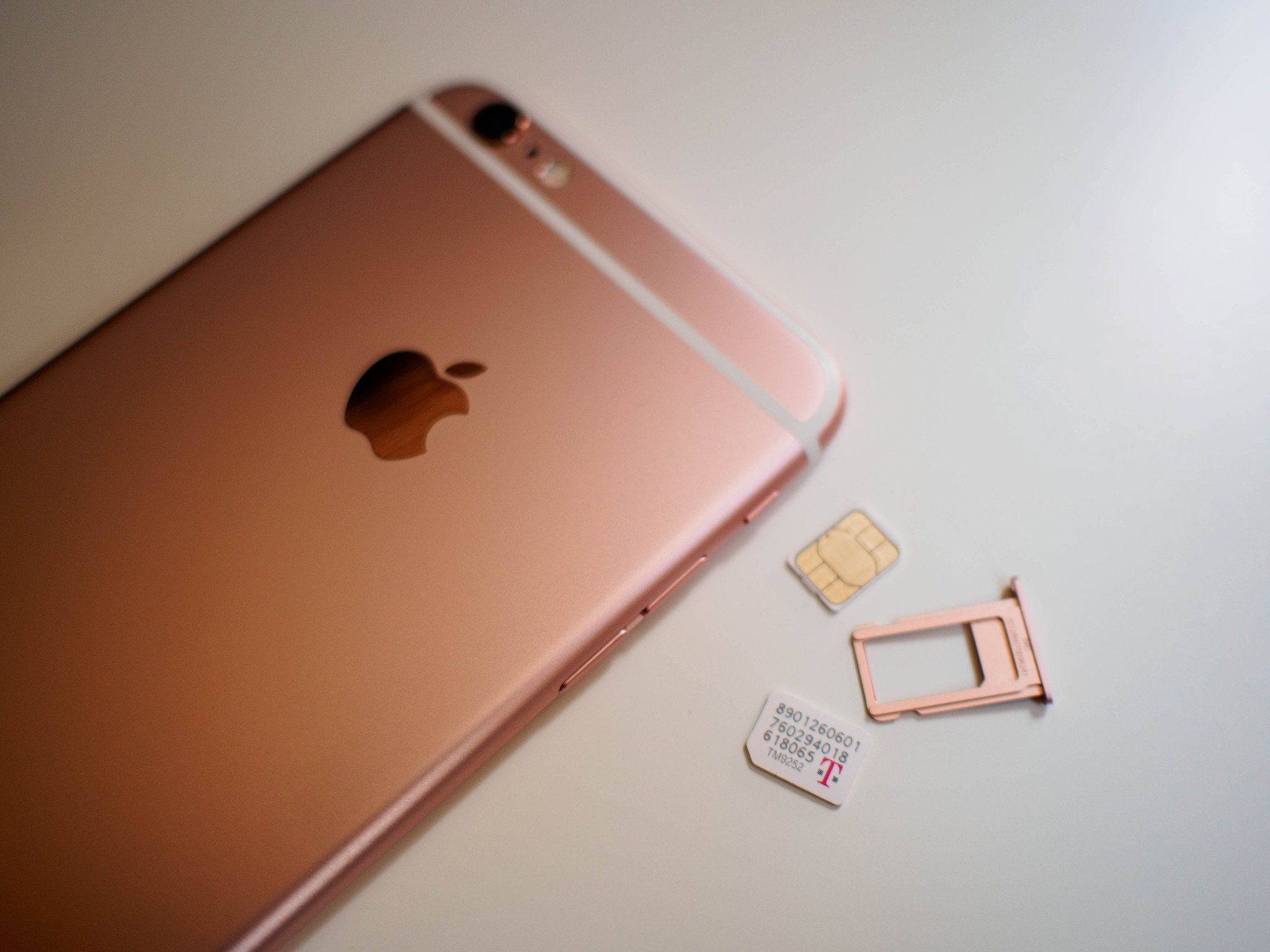
Similar to contact management, the SIM card was originally designed to store short text messages. Early devices were restricted by the amount of onboard RAM, so messages were offloaded to the SIM card’s limited non-volatile memory. Modern users rarely see their SIM storage filling up, as smartphones now utilize their internal flash memory to store thousands of messages. However, the functionality remains, and forensic investigators often look to the SIM card to recover deleted or archived SMS messages that might exist outside the primary operating system’s indexed logs.
The Evolution into Modern Secure Elements
As technology has advanced, the role of the SIM card has expanded from a simple network authenticator to a versatile platform for digital security. The modern Universal Integrated Circuit Card (UICC) is essentially a high-security vault that can house multiple applications simultaneously.
The Rise of the eSIM and iSIM
The most significant shift in the history of the SIM is the move toward virtualization. The eSIM (embedded SIM) is a chip soldered directly into the motherboard of a device, eliminating the need for a physical plastic card. The functionality, however, remains largely the same; the “data” that was once stored on the physical chip is now pushed to the device via a secure cryptographic download provided by the carrier.
This evolution has paved the way for the iSIM (Integrated SIM), where the SIM functionality is integrated directly into the device’s main processor (the System-on-a-Chip). This reduces power consumption, saves physical space, and allows for much faster network provisioning. Despite the loss of the physical card, the logical data—the IMSI, the security keys, and the network credentials—remains as robust and essential as ever.
SIM-Based Applications (USAT)
The SIM card also hosts the SIM Application Toolkit (STK). This is a set of programmed commands that allows the card to initiate actions independently of the handset. You may have noticed special menus on your phone labeled “Service” or “Carrier Tools.” These are applications running directly on your SIM card. They allow carriers to push firmware updates, configure roaming settings, and even provide secure mobile banking or mobile signature services. These applications are highly secure because they reside in a sandboxed environment on the SIM, isolated from the vulnerabilities that might affect the smartphone’s main operating system.
Data Privacy and Forensic Implications
Because the SIM card holds unique identifiers and usage logs, it is often a focal point in digital security and forensic investigations. Understanding what is on the card helps users appreciate the risks associated with hardware theft.
The PIN and PUK Safety Net
The Personal Identification Number (PIN) and the Personal Unblocking Key (PUK) are the last lines of defense for the data stored on your SIM. The PIN protects the card from unauthorized use, while the PUK is the master key provided by the carrier to reset the PIN if it is entered incorrectly too many times. Security-conscious users should always enable the SIM PIN, as it prevents a stolen device from being used to intercept SMS-based two-factor authentication codes—a common tactic used in account takeover attacks.
Digital Forensics
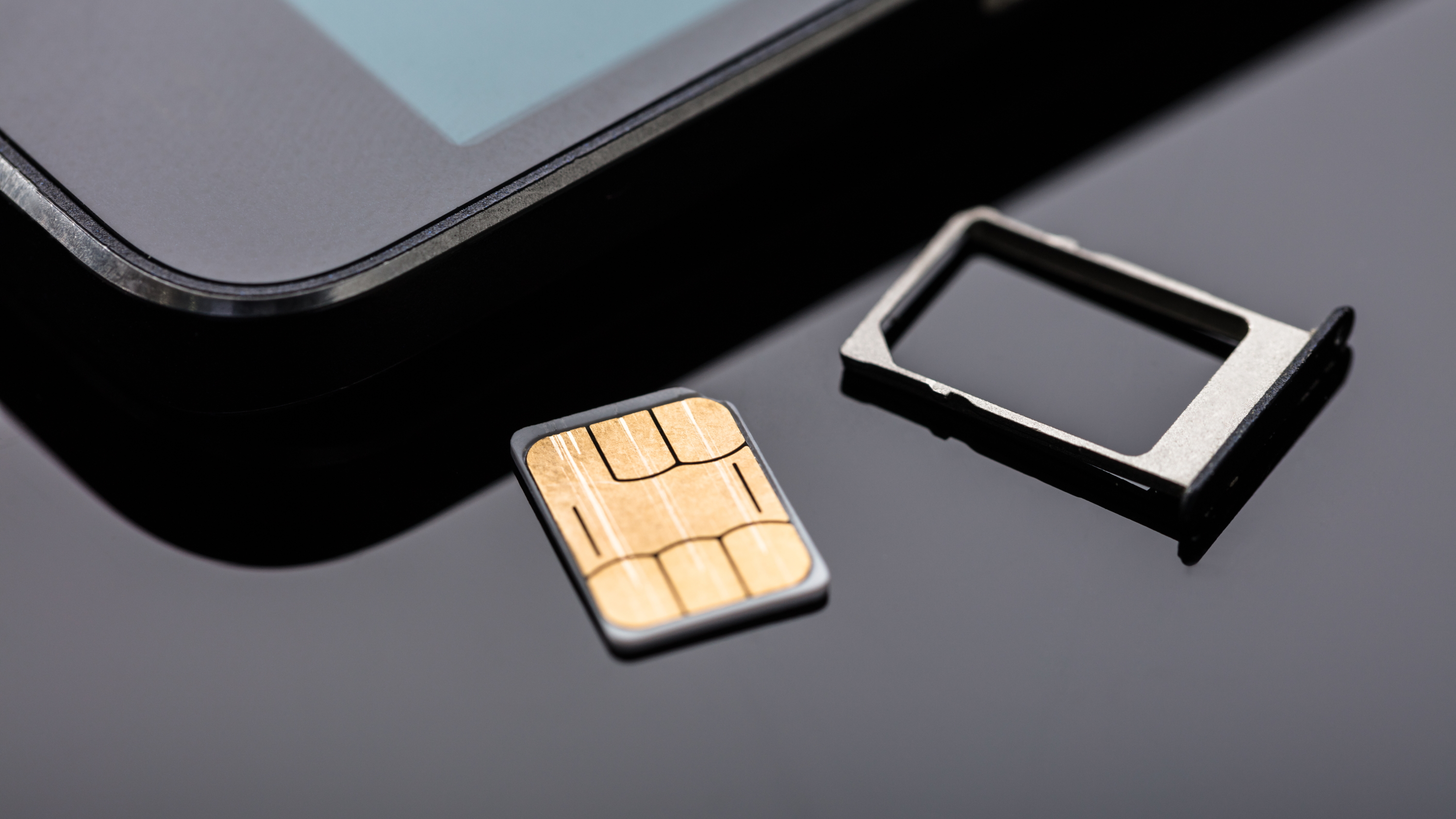
In legal and security investigations, the SIM card is a goldmine of metadata. It can store logs of recent network connections, location area codes (which can narrow down a device’s physical presence to a specific region), and diagnostic data. Because the data on the SIM card is managed by the carrier and protected by high-level encryption, it is often more difficult to alter than the data stored in the phone’s main memory. Even if a phone is wiped clean, the SIM card can often retain enough information to help verify the owner’s identity and recent activity.
The SIM card is far more than a simple identifier; it is the silent gatekeeper of our mobile lives. From the core cryptographic keys that allow us to join global networks to the hidden applications that manage our service provider interactions, the data stored on this tiny piece of silicon remains the foundation of our digital connectivity. Whether physical or virtual, the SIM card’s role in securing our identity and enabling our communication is set to remain a critical component of the technological landscape for years to come.
aViewFromTheCave is a participant in the Amazon Services LLC Associates Program, an affiliate advertising program designed to provide a means for sites to earn advertising fees by advertising and linking to Amazon.com. Amazon, the Amazon logo, AmazonSupply, and the AmazonSupply logo are trademarks of Amazon.com, Inc. or its affiliates. As an Amazon Associate we earn affiliate commissions from qualifying purchases.