
Maintaining the ideal balance of moisture in the air is often overlooked, yet it is a critical pillar of environmental health and infrastructure management. While “normal” humidity is a nuanced concept, understanding it requires a grasp of the relationship between temperature, comfort, and the preservation of our living spaces. Whether you are optimizing a workspace or managing home infrastructure, achieving the “Goldilocks zone” of humidity is essential for physical well-being and the longevity of your property.
Understanding Relative Humidity and Its Impact
Relative humidity (RH) is the ratio of the amount of water vapor currently in the air to the maximum amount of water vapor the air can hold at that specific temperature. Expressed as a percentage, it is the primary metric used to determine how “dry” or “damp” an environment feels. When air is heated, it expands and can hold more moisture, which lowers the relative humidity; conversely, when air cools, it contracts, increasing the relative humidity even if the actual amount of water in the room remains constant.

The Ideal Range for Human Comfort
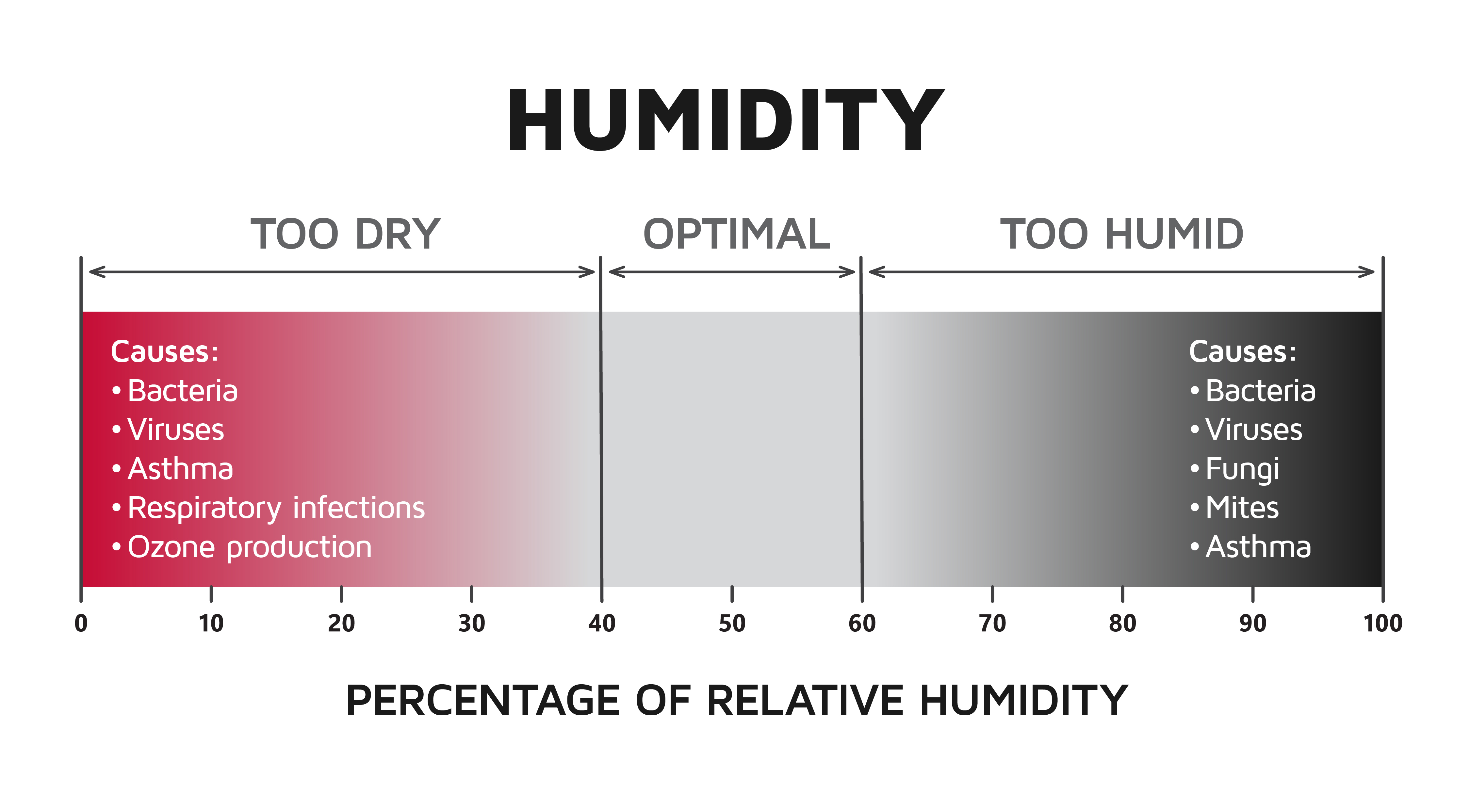
For most indoor environments, the consensus among building scientists and health experts is that a relative humidity level between 30% and 50% is optimal. Within this bracket, the air is moist enough to keep mucous membranes healthy and prevent the skin from drying out, yet dry enough to inhibit the proliferation of biological contaminants. When levels drop below 30%, occupants often report symptoms such as dry eyes, irritated sinuses, and static electricity discharge. Conversely, once levels climb above 60%, the environment becomes a breeding ground for mold, mildew, and dust mites.
The Thermal Connection
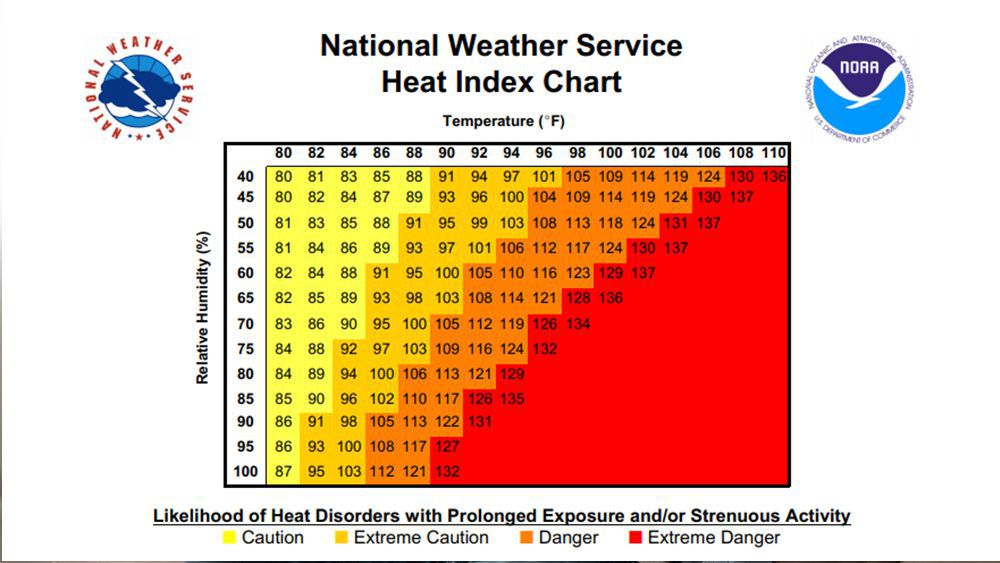
It is vital to recognize that humidity directly dictates how humans perceive temperature. High humidity prevents sweat from evaporating efficiently, which makes a room feel significantly hotter than the thermometer reads. On the flip side, low humidity allows moisture to evaporate rapidly from the skin, creating a cooling effect that can make a room feel colder than it actually is. By managing your humidity levels, you can effectively enhance the perceived comfort of a space without constantly adjusting the thermostat, which has significant implications for energy efficiency.
The Consequences of Deviating from the Norm
When humidity levels drift outside the recommended range, the consequences extend far beyond simple discomfort. Persistent deviations lead to structural degradation and health complications that can become costly and difficult to rectify.
The Dangers of Excess Moisture
When indoor humidity exceeds 60% for prolonged periods, the environment shifts toward a state of potential decay. Moisture accumulates on cooler surfaces—a phenomenon known as condensation—which provides the necessary hydration for mold spores to germinate. This can lead to the degradation of drywall, the warping of wooden furniture, and the corrosion of metal fixtures. Furthermore, high humidity is inextricably linked to poor indoor air quality. Dust mites, which are a common trigger for asthma and allergies, thrive in environments with higher moisture levels. In this state, the air feels “heavy” and “stuffy,” often carrying a distinct, musty odor that is difficult to eliminate without active dehumidification.
The Risks of Over-Drying
While many associate humidity issues strictly with dampness, overly dry air (below 30%) introduces its own set of unique problems. In the winter months, when indoor heating systems run frequently, humidity levels often plummet. This dry air pulls moisture from any available source, including your skin, respiratory tract, and household objects. Wooden floors may begin to creak as the boards shrink, musical instruments can crack, and fine furniture may develop structural splits. From a health perspective, the lack of ambient moisture compromises the body’s primary defense system—the cilia in our noses—which traps airborne viruses and bacteria. Consequently, individuals in ultra-dry environments are often more susceptible to respiratory infections.
Strategies for Maintaining Optimal Humidity
Managing indoor moisture is not a one-time adjustment but an ongoing process of monitoring and regulation. By utilizing the right tools and behavioral changes, you can maintain a “normal” environment year-round.
Monitoring with Precision
The first step toward management is visibility. Hygrometers—small, affordable digital devices—should be placed in main living areas and rooms prone to moisture, such as bathrooms and basements. By tracking these levels, you gain a baseline for how your home or office reacts to external weather patterns and internal activities. Modern smart home systems now allow for real-time monitoring via mobile applications, providing alerts when humidity spikes or dips beyond your preset parameters.
Active Regulation Techniques
For those living in climates with significant seasonal changes, a combination of tools is often necessary.
- Dehumidifiers: In humid climates or basement environments, a dedicated dehumidifier is the most effective way to extract excess moisture. Modern units feature integrated humidistats, allowing them to cycle on and off automatically based on your specific requirements.
- Humidifiers: During winter, when heating dries out the air, a cool-mist or ultrasonic humidifier can restore the balance. It is important to clean these regularly to prevent mineral buildup and bacterial growth.
- Ventilation: Sometimes the simplest solution is the most effective. Proper ventilation in kitchens and bathrooms—using high-quality exhaust fans—is essential for removing the moisture generated by cooking and showering before it can permeate the building materials.
Structural and Lifestyle Adjustments
Beyond mechanical interventions, the way we inhabit a space dictates the humidity levels. Reducing the time hot showers run, covering pots while cooking, and ensuring that clothes dryers are properly vented to the exterior can drastically reduce internal moisture loads. For those managing office spaces, selecting moisture-resistant materials for interior design can mitigate the impact of external humidity fluctuations. Furthermore, the strategic placement of houseplants can help regulate humidity, though one must be careful not to over-water, as the soil itself can become a significant moisture source if not managed correctly.
Balancing Efficiency and Health
Achieving “normal” humidity is a balancing act that requires an understanding of your specific environment. There is no singular “correct” humidity level for every building; rather, there is a target range that minimizes health risks while maximizing structural integrity.
As we move toward a future of smarter, more responsive buildings, the ability to automate these humidity controls will become increasingly standard. Integrated HVAC systems that monitor both temperature and humidity can adjust airflow and air-handling characteristics in real-time, creating a seamless environment for the occupant.
Ultimately, maintaining 30–50% humidity is about foresight. It is about protecting the air you breathe and the building that shelters you. By prioritizing this often-invisible factor, you create an environment that is not only more comfortable but also more durable and healthy. Whether through the use of high-tech sensors or simple, consistent lifestyle habits, taking control of your indoor humidity is one of the most effective ways to improve the quality of your daily life. Do not wait for the symptoms of dryness or the telltale signs of dampness to appear; prioritize the balance today to enjoy a more stable, healthy living space tomorrow.
aViewFromTheCave is a participant in the Amazon Services LLC Associates Program, an affiliate advertising program designed to provide a means for sites to earn advertising fees by advertising and linking to Amazon.com. Amazon, the Amazon logo, AmazonSupply, and the AmazonSupply logo are trademarks of Amazon.com, Inc. or its affiliates. As an Amazon Associate we earn affiliate commissions from qualifying purchases.