
In the vast landscape of digital documentation, few file formats have proven as resilient, versatile, and essential as EPUB (Electronic Publication). If you have ever purchased an ebook from an online store, downloaded a digital novel, or synced documents to a dedicated e-reader, you have likely interacted with this format. Despite the proliferation of PDFs and proprietary reading apps, EPUB remains the gold standard for digital reading experiences. Understanding what EPUB is, how it works, and why it dominates the ebook market is essential for anyone interested in digital content consumption and creation.
The Technical Architecture of EPUB
At its core, an EPUB file is more than just a document; it is a meticulously structured digital container. Unlike a PDF, which is essentially a static “snapshot” of a printed page, an EPUB is built using web-standard technologies. Technically, an EPUB file is an archive—specifically a ZIP file—that contains a collection of XHTML files, CSS stylesheets, images, and metadata.
The Role of Reflowable Text
The primary technological advantage of EPUB is its reflowable text capability. Because the content is structured using XHTML and styled with CSS, it behaves like a webpage rather than a static image. When a user changes the font size, typeface, or line spacing on an e-reader, the text automatically “reflows” to fit the new parameters of the screen. This ensures that the reading experience remains optimized regardless of whether the content is viewed on a six-inch smartphone screen, an eight-inch dedicated e-reader, or a high-resolution tablet.
Standards and Interoperability
EPUB is an open standard maintained by the International Digital Publishing Forum (IDPF), which has since merged with the W3C (World Wide Web Consortium). This open-source nature is critical to its success. Because the specifications are public, software developers can build readers that render EPUB files consistently. This prevents the “vendor lock-in” that is often associated with proprietary formats, allowing users to move their digital libraries across different platforms and devices without losing formatting or data.
EPUB vs. PDF: Understanding the Distinctions
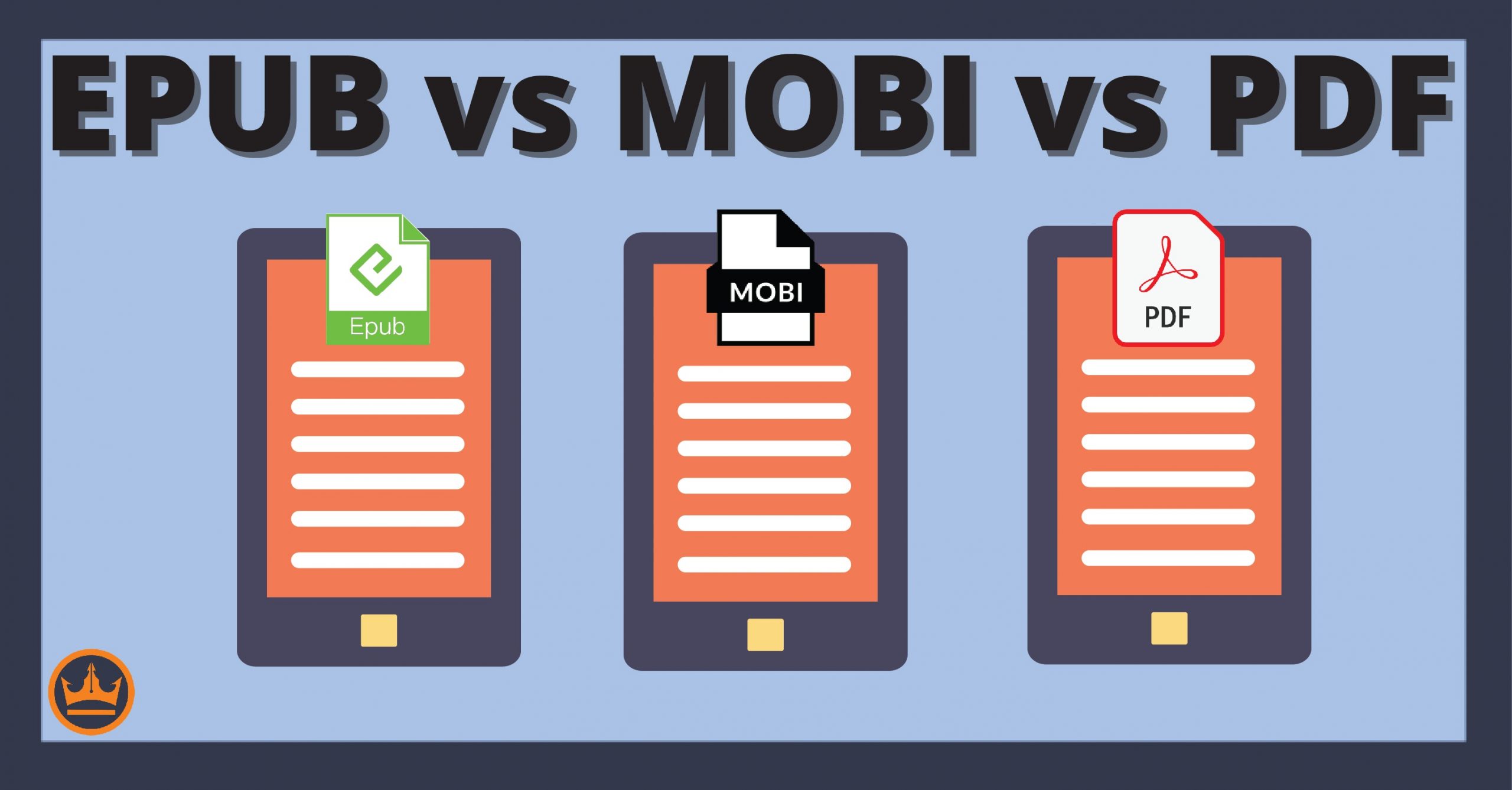
A common point of confusion for digital readers is the difference between EPUB and PDF. While both are used for distributing digital documents, they were built with fundamentally different philosophies.
The Problem with Fixed-Layout PDFs
Portable Document Format (PDF) was designed to ensure that a document looks exactly the same on every screen and every printer. This “fixed-layout” philosophy is excellent for legal documents, academic papers with complex diagrams, and graphic-heavy brochures where the placement of every element is intentional. However, when you open a standard 8.5×11 PDF on a small mobile device, you are forced to pinch-to-zoom and pan horizontally across the screen. This is a suboptimal experience for narrative-heavy content like novels or non-fiction books.
Why EPUB Wins for Long-Form Reading
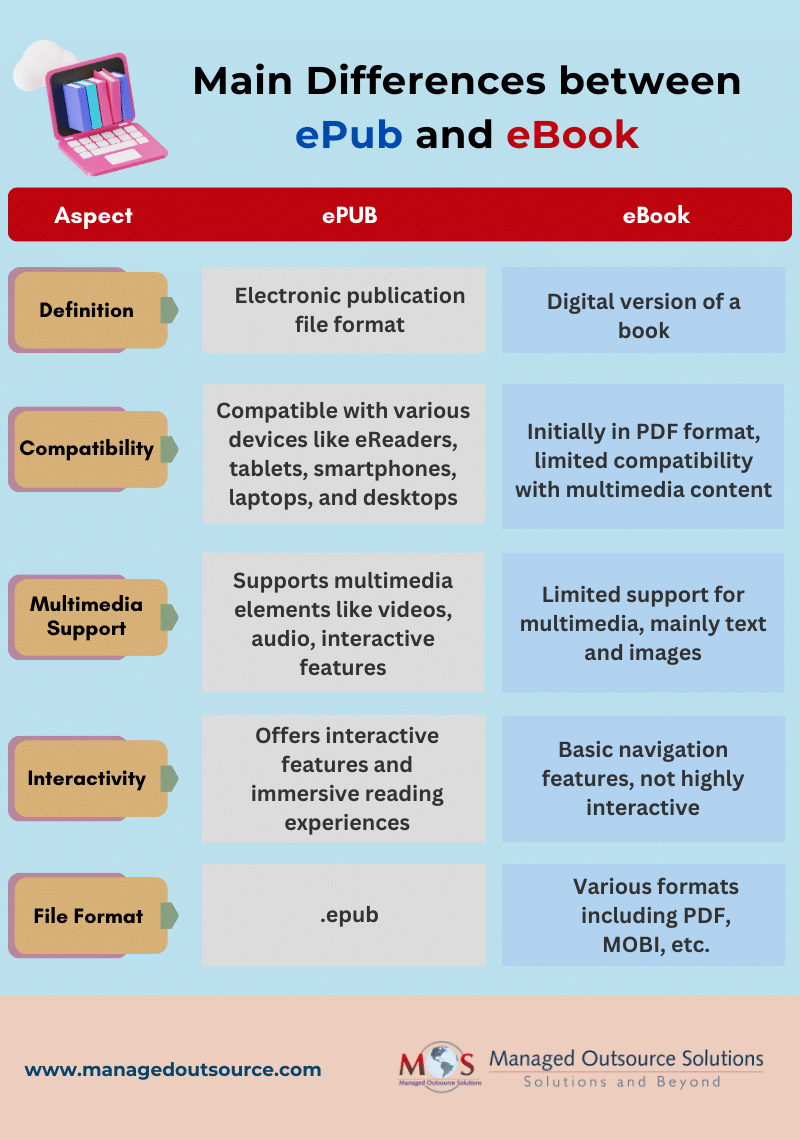
EPUB prioritizes the reader’s comfort over the designer’s rigid control. By allowing the reader to adjust the layout, EPUB bridges the gap between digital convenience and the tactile readability of a printed book. Furthermore, EPUB files are generally much smaller in size than PDFs because they do not need to embed high-resolution imagery for every page unless specifically required. They rely on the device’s local fonts and rendering engines to display the text, making them ideal for quick downloads and efficient storage.
The Evolution to EPUB 3
The format has not remained static since its inception. The transition from EPUB 2 to EPUB 3 marked a significant leap forward in what the format could achieve, transforming it from a simple text-delivery system into a sophisticated multimedia platform.
Multimedia and Interactivity
EPUB 3 introduced robust support for advanced features, including embedded audio and video, as well as complex JavaScript-based interactivity. This has opened doors for interactive textbooks, children’s books with animated illustrations, and language-learning materials that require integrated audio clips. These features allow authors to move beyond the constraints of static text, turning an ebook into an immersive experience.
Enhanced Global Language Support
Another major milestone in the EPUB 3 specification was the improved support for international languages. This includes vertical writing modes (essential for Japanese, Chinese, and Korean scripts), right-to-left layout support, and better handling of complex scripts like Arabic and Hebrew. By standardizing these requirements, the global publishing industry gained the ability to distribute digital content across diverse cultural markets with confidence that the rendering would remain accurate.
Managing Your EPUB Ecosystem
For the modern reader, the accessibility of EPUB is one of its greatest strengths. Because it is an open format, there are countless ways to manage, organize, and consume these files.
Dedicated E-Readers vs. Software Applications
Most dedicated e-reading hardware, such as the Kobo or Nook series, support EPUB files natively. Even the Amazon Kindle, which historically favored its own proprietary formats (MOBI and AZW3), has evolved to support EPUB files sent via “Send to Kindle” services, where the files are automatically converted into a compatible format during the transfer. On the software front, applications like Apple Books, Google Play Books, and cross-platform tools like Calibre allow users to curate massive personal libraries.
The Importance of Metadata
Metadata is the backbone of a well-organized digital library. Within an EPUB file, there is a metadata section that defines the book’s title, author, publisher, ISBN, and publication date. When you upload an EPUB to a library manager like Calibre, the software reads this metadata to automatically populate your digital bookshelf with covers, summaries, and correct categorization. Understanding how to edit or inspect this metadata can empower users to keep their digital libraries clean and searchable, ensuring that even with hundreds of titles, the right book is always just a click away.
The Future of Digital Publishing
The trajectory of EPUB suggests that it will remain the cornerstone of digital reading for the foreseeable future. As AI-driven tools become more integrated into the writing process, the structure of EPUB serves as an excellent foundation for machine-readable content. Because EPUB is built on HTML, it is inherently accessible to screen readers, making it the most inclusive format for visually impaired users.
As we move toward a future where digital and physical media continue to blend, the EPUB format provides the necessary stability to bridge different platforms. Whether you are an author self-publishing your first manuscript, a student relying on digital textbooks, or a bibliophile with an expansive collection of classics, the EPUB format is the underlying technology that makes your digital reading life possible. By opting for EPUB, you are choosing a standard that values user control, accessibility, and the enduring portability of the written word.
aViewFromTheCave is a participant in the Amazon Services LLC Associates Program, an affiliate advertising program designed to provide a means for sites to earn advertising fees by advertising and linking to Amazon.com. Amazon, the Amazon logo, AmazonSupply, and the AmazonSupply logo are trademarks of Amazon.com, Inc. or its affiliates. As an Amazon Associate we earn affiliate commissions from qualifying purchases.