
In the modern digital landscape, the concept of a signature has evolved far beyond the ink-stained quills and cursive loops of the past. While traditionalists might still define a signature as a person’s name written in a distinctive way as a form of identification, the digital era has recontextualized this act as a fundamental pillar of security, authentication, and legal validity. Whether you are navigating sensitive contracts, securing financial transactions, or verifying the integrity of data, understanding what constitutes a digital signature is essential for anyone operating in a tech-driven economy.
The Evolution from Wet Ink to Digital Cryptography
To understand the modern signature, one must first recognize the fundamental shift from physical to digital authentication. A “wet signature”—the physical act of signing a document with a pen—relies on the assumption that only the person in question can replicate their unique handwriting. However, in the realm of technology, physical signatures are easily forged, scanned, or manipulated. This vulnerability necessitated a transition toward cryptographic security.
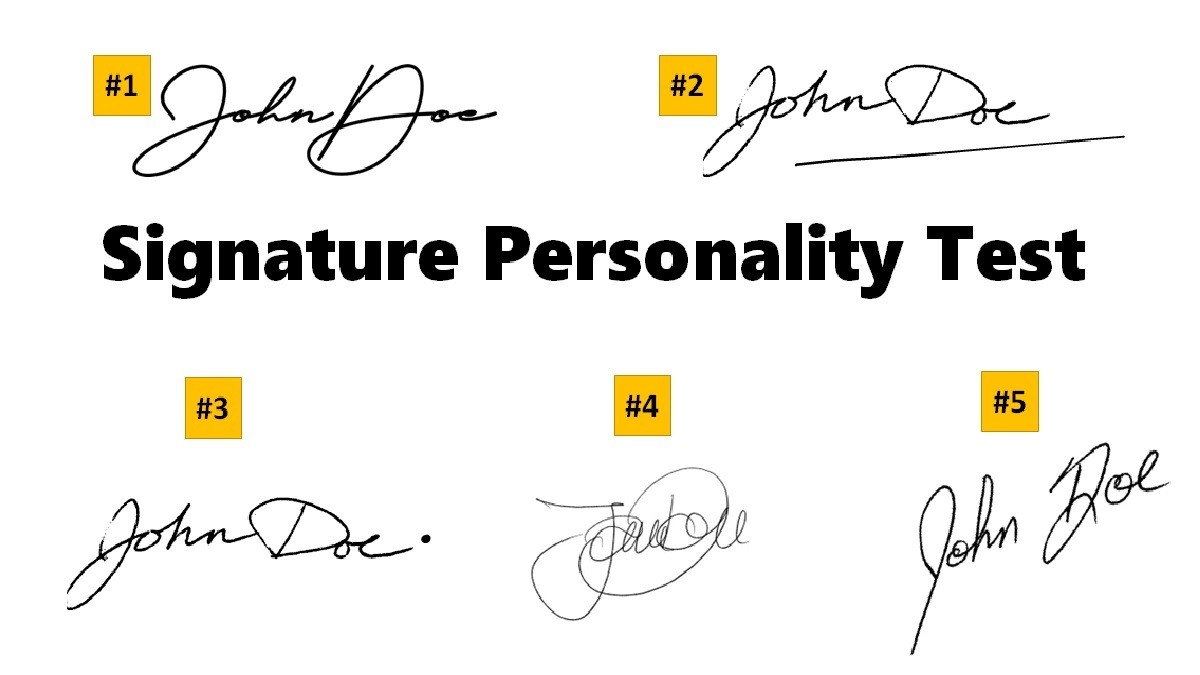
Understanding Electronic vs. Digital Signatures
It is a common error to conflate “electronic signatures” with “digital signatures.” While they are often used interchangeably in casual conversation, they represent distinct technical concepts.
An electronic signature (e-signature) is a broad, legal term. It refers to any electronic sound, symbol, or process attached to or logically associated with a contract or record and executed or adopted by a person with the intent to sign the record. This could be as simple as clicking an “I Agree” button on a website, checking a box on a form, or typing your name into a PDF field. It is a legal concept, not necessarily a technical one.
A digital signature, by contrast, is a specific implementation of an electronic signature that utilizes advanced cryptographic technology. It functions like a digital fingerprint. When you apply a digital signature to a document, the software creates a unique mathematical algorithm—a hash—that binds your identity to that specific piece of data. If even a single character in that document is altered after the signature is applied, the “seal” is broken, and the signature becomes invalid. This level of technical integrity is what provides the security required for high-stakes business and governmental transactions.
How Cryptography Provides Security
The mechanism behind a secure digital signature is Asymmetric Cryptography, also known as Public Key Infrastructure (PKI). This system uses two keys: a private key, which is kept secret by the signer, and a public key, which is available to anyone who needs to verify the signature.
When a user signs a file, the algorithm uses their private key to create a unique hash of the document. The recipient then uses the signer’s public key to decrypt the hash. If the decrypted hash matches the original file, it provides three guarantees:
- Authentication: The signature is verified to belong to the claimed sender.
- Integrity: The document has not been altered since the signature was applied.
- Non-repudiation: The signer cannot credibly deny having signed the document, as the private key is held exclusively by them.
The Role of Digital Signatures in Modern Software and Security
In the technology sector, the term “signature” appears in contexts that have nothing to do with contracts and everything to do with identifying malicious activity. This is the realm of malware detection and system security.
Virus Signatures and Endpoint Protection
Antivirus software relies heavily on signature-based detection. A “virus signature” is a unique pattern of data—a specific sequence of bytes or a particular code structure—that is identified as belonging to a known piece of malware.
When an antivirus program scans a file, it compares the file’s code against a vast database of known virus signatures. If a match is found, the software flags the file as a threat and takes action, such as quarantining or deleting it. While this method is highly effective at catching widespread, known threats, it is inherently reactive. It relies on the security company having already identified and “fingerprinted” the malicious code. This is why modern security suites have evolved to include heuristic analysis, which looks for suspicious behavior rather than just matching static signatures, to combat “zero-day” exploits that have no known signature yet.
Code Signing: Ensuring Software Integrity
When developers release software, they use digital signatures to “sign” their applications. This process, known as code signing, allows an operating system (like Windows, macOS, or Linux) to verify that the software comes from a trusted developer and has not been tampered with by a third party.
When you download an application, your browser or operating system checks the digital signature attached to the installer. If the signature is valid, you receive a prompt indicating that the publisher is verified. If the signature is missing or corrupted, the system will often trigger a security warning, effectively preventing the execution of potentially malicious or modified software. This is a critical line of defense in the software supply chain, ensuring that users are running the exact code the developers intended.
The Future of Signatures: Identity and Decentralization
As we look toward the future, the definition of a signature is set to shift once again through the integration of blockchain technology and decentralized identity (DID) frameworks.
Blockchain and Digital Identity
In a blockchain-based system, a signature is the key to ownership. Whether dealing with cryptocurrencies, Non-Fungible Tokens (NFTs), or smart contracts, the ability to sign a transaction is the primary way a user asserts control over their digital assets. Unlike traditional centralized systems—where you trust a bank or a government agency to verify your identity—blockchain signatures allow for “trustless” verification. The signature is mathematically proven by the network consensus, removing the need for a central intermediary.
This is giving rise to Self-Sovereign Identity (SSI), where individuals own their own credentials. Instead of relying on a social media platform or a government database to verify who you are, you carry your own verifiable credentials. These are cryptographically signed by the issuing authority and verified by your own digital signature, allowing for a privacy-focused approach to identity management.
The Human Element: Biometrics as a Signature
While cryptographic signatures provide the “what,” biometrics are increasingly providing the “who.” Modern authentication methods are merging the two. Today, your face, your fingerprint, or your retina can act as the trigger for your digital signature.
When you use “Face ID” or a fingerprint sensor to approve a payment or sign a document, the device is capturing your biometric data, verifying it against the secure enclave stored on your hardware, and then triggering the cryptographic signing process behind the scenes. This fusion of biometric ease and cryptographic rigor represents the pinnacle of modern security. It addresses the friction of traditional passwords while maintaining the unbreakable nature of public-key encryption.

Final Reflections
A signature is no longer just a scribble on a piece of paper; it is the fundamental mechanism through which we establish trust, prove ownership, and guarantee integrity in a digital world. From the simple electronic checkbox on a user agreement to the complex, multi-layered cryptographic keys securing global financial infrastructure, signatures are the invisible architecture of the internet. By understanding the technology behind these signatures, users can better appreciate how their digital lives are protected and realize the importance of safeguarding the keys—whether they are digital or biometric—that represent their identity in the modern age. As we move deeper into a decentralized and AI-integrated future, the signature will continue to be the primary tool for asserting our human agency in the vast, digital landscape.
aViewFromTheCave is a participant in the Amazon Services LLC Associates Program, an affiliate advertising program designed to provide a means for sites to earn advertising fees by advertising and linking to Amazon.com. Amazon, the Amazon logo, AmazonSupply, and the AmazonSupply logo are trademarks of Amazon.com, Inc. or its affiliates. As an Amazon Associate we earn affiliate commissions from qualifying purchases.