
In the precision-driven world of engineering, architecture, and industrial design, the tools we utilize define the caliber of our output. While the digital revolution has introduced sophisticated CAD (Computer-Aided Design) software, the fundamental principles of measurement remain rooted in tactile, geometric instruments. Among these, the protractor stands as a foundational implement. Far from being a relic of the high school geometry classroom, the protractor—in its professional, mechanical, and digital iterations—is an essential asset for anyone involved in technical drawing, machining, and spatial planning.
The Anatomy and Engineering Utility of the Protractor
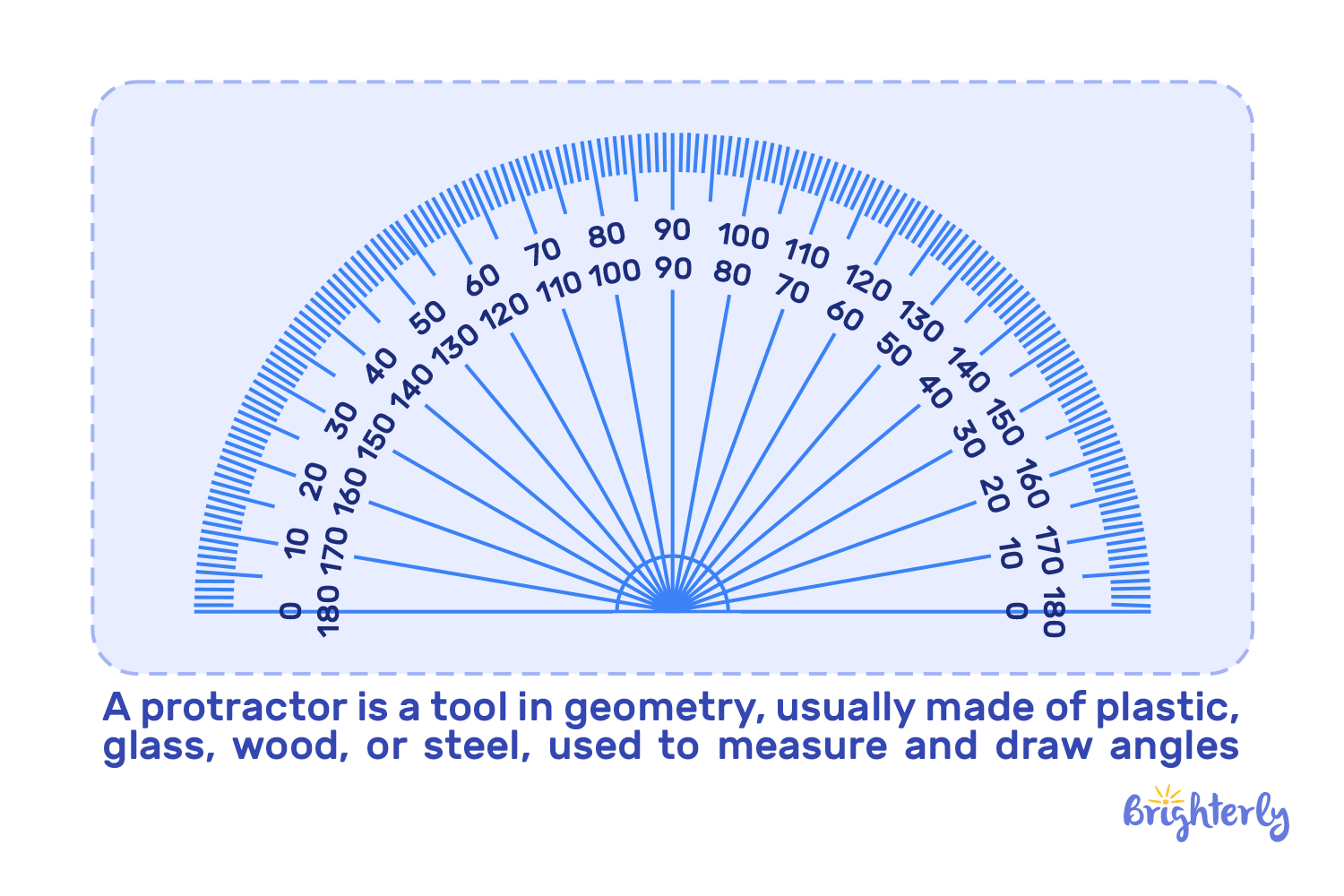
At its core, a protractor is a measuring instrument, typically made of transparent plastic, metal, or glass, used to measure angles. While the standard semi-circular classroom model is familiar, the professional-grade tool utilized in engineering environments is a far more robust instrument.
Precision Components
A professional protractor often features a vernier scale, which allows for the measurement of angles to a fraction of a degree—often down to five minutes of an arc. In high-stakes manufacturing, where even a slight deviation in an angle can compromise the structural integrity of a component, this level of precision is non-negotiable. The inclusion of a rotating blade or arm allows the user to align the instrument against a physical edge or axis, ensuring that the measurement is taken accurately relative to a baseline.
Types of Specialized Protractors
Beyond the basic semi-circle, several specialized versions exist:
- Bevel Protractors: These are the gold standard in machine shops. They consist of a base, a graduated dial, and a blade that can be adjusted to various angles. They are frequently used by machinists to verify the angle of ground tools or to set up workpieces on milling machines.
- Digital Protractors: These represent the intersection of traditional measurement and modern technology. Utilizing internal sensors, these devices display the angle on an LCD screen. They often feature magnetic bases, allowing them to cling to steel surfaces, which provides hands-free accuracy when setting up industrial machinery.
Geometric Fundamentals and Spatial Planning
Understanding what a protractor is requires understanding why angles matter. In any field involving physical construction or layout, the ability to translate a conceptual geometry into a physical reality is the defining skill of a technician.
The Role of Angular Accuracy
Angles dictate the load-bearing capacity of structures, the flow of fluids in piping systems, and the aerodynamic efficiency of mechanical parts. When an architect designs a roof pitch or an engineer maps out a truss system, they are dealing with the intersection of lines at precise degrees. The protractor serves as the primary verification tool for these calculations. Without the physical measurement provided by a calibrated protractor, the transition from blueprint to physical installation is prone to “tolerance stack-up,” where small errors compound into significant failures.
Bridging the Gap Between Plan and Production
In the workflow of a designer, the initial concept is often drafted in software. However, the production phase requires moving that data back into the physical realm. During the setup phase of a CNC (Computer Numerical Control) machine or a manual lathe, the operator must verify that the spindle or the tool holder is positioned correctly. A high-quality machinist’s protractor serves as the final check, ensuring that the digital model has been successfully communicated to the physical hardware.

The Evolution of the Protractor in the Digital Age
While physical tools remain essential, the digital transformation has redefined how we perceive the protractor. We are seeing a shift where physical measurements are being digitized in real-time, effectively creating a “smart” ecosystem for precision measurement.
Integration with Smart Tools
Modern digital protractors can now interface with tablets and smartphones via Bluetooth. When a measurement is taken on a job site, that data is instantly transmitted to a centralized design database. This minimizes the risk of human error in transcribing measurements and ensures that the design team is always working with real-time data from the field. This integration represents the current trend in “Connected Construction,” where measurement tools are no longer isolated devices but active nodes in a software network.
The Rise of CAD/CAM and Virtual Protractors
In the software environment, the “protractor” is a digital overlay. In CAD platforms, the measurement of angles is instantaneous and automated. However, the expertise lies in knowing which angles to measure and how to interpret those values within the broader context of a project. The digital protractor tool in software packages like AutoCAD or SolidWorks mirrors the functionality of the physical tool, reminding us that the principles of geometry remain the same, regardless of whether the medium is steel or software code.
Best Practices for Maintaining Precision
Regardless of whether you are using a simple plastic protractor or a high-end digital bevel protractor, the utility of the tool depends entirely on its maintenance and proper usage. In professional environments, precision is not just about the tool; it is about the discipline of the user.
Calibration and Care
For metal and digital protractors, calibration is a recurring necessity. Environmental factors such as temperature fluctuations can cause thermal expansion in metal blades, potentially introducing errors. Regular checking against a known standard—such as a precision angle block—is required for anyone performing high-precision work. Furthermore, the storage of these instruments is critical. They should be kept in protective cases away from dust, oil, and magnetic fields, which can interfere with the sensor accuracy of digital models.
User Technique
Even the most expensive digital protractor will fail if not positioned correctly. The “parallax error”—the perceived shift in position when viewed from an angle—is the primary enemy of manual measurement. Professionals are trained to ensure their line of sight is perfectly perpendicular to the scale of the protractor. When dealing with bevel protractors, ensuring that the base is perfectly flush against the reference surface is the single most important step in the process. A gap of even a fraction of a millimeter at the base can translate to a multi-degree error at the end of a long blade.
Conclusion: The Enduring Importance of Measurement
The protractor, in its various forms, is a testament to the human need for precision. It occupies the space between the theoretical world of mathematics and the tangible world of production. Whether you are a student learning the foundations of geometry, a carpenter verifying a miter cut, or a mechanical engineer calibrating a complex industrial robot, the protractor remains the silent, reliable arbitrator of angles.
In a professional landscape increasingly dominated by rapid software iteration and automated workflows, the fundamental ability to measure, verify, and understand the geometric relationships of the physical world remains a hallmark of excellence. By mastering the protractor, professionals ensure that their work meets the exacting standards required in modern manufacturing and design. The tool itself may change—moving from plastic to stainless steel to digital sensors—but its purpose remains unchanged: to bring order, accuracy, and structural integrity to the physical world we build.
aViewFromTheCave is a participant in the Amazon Services LLC Associates Program, an affiliate advertising program designed to provide a means for sites to earn advertising fees by advertising and linking to Amazon.com. Amazon, the Amazon logo, AmazonSupply, and the AmazonSupply logo are trademarks of Amazon.com, Inc. or its affiliates. As an Amazon Associate we earn affiliate commissions from qualifying purchases.