
Deserts. The word conjures images of vast, arid landscapes, shimmering heatwaves, and an almost alien beauty. But the creation of these extreme environments is a complex interplay of forces, and understanding them can offer surprising insights into concepts that resonate deeply with the core topics of this website: Tech, Brand, and Money. While the literal creation of deserts might seem far removed from silicon chips, marketing strategies, or investment portfolios, the underlying principles of scarcity, environmental factors, and strategic resource management share a striking commonality.
When we talk about what creates deserts, we’re not just discussing the lack of rain. It’s about a delicate balance of atmospheric conditions, geographic features, and geological processes that conspire to produce environments where life, in its more conventional forms, struggles to thrive. Similarly, in the realms of technology, branding, and finance, certain “deserts” can emerge – periods of stagnation, market saturation, or financial drought – if the right conditions aren’t cultivated.
This article will explore the primary drivers behind desert formation, drawing parallels and highlighting lessons that are surprisingly relevant to navigating the dynamic landscapes of technology, building a resilient brand, and securing financial prosperity.
Geographical and Atmospheric Architectures of Aridity
The most fundamental driver of desert creation is the absence of precipitation. This scarcity isn’t random; it’s typically a consequence of large-scale atmospheric and geographic phenomena.
The Dance of Global Air Currents: Hadley Cells and Subtropical Highs
At the heart of much desert formation lies the global circulation of air, particularly the Hadley Cells. These are large-scale convection currents that originate near the equator. Warm, moist air rises, cools, and releases its moisture as rain in the tropics, creating lush rainforests. As this now dry air moves poleward at high altitudes, it descends around the 30-degree latitude lines, both north and south of the equator. This descending air is warm and exceptionally dry, creating persistent high-pressure zones. These subtropical high-pressure systems are the primary architects of many of the world’s great deserts, including the Sahara, the Arabian Desert, and the Australian Outback.
- Relevance to Tech: Imagine a disruptive technology that enters a market and, like the Hadley Cell, dominates initially. Without continuous innovation and adaptation, this “hot, dry air” can lead to stagnation. Companies that rely on a single, once-revolutionary product can find themselves in a “technological desert,” unable to generate new growth or engage users. The constant need for updates, new features, and adapting to emerging trends is akin to the atmospheric forces that keep the planet dynamic and prevent perpetual drought in certain regions.
The Rain Shadow Effect: Mountains as Arid Barriers
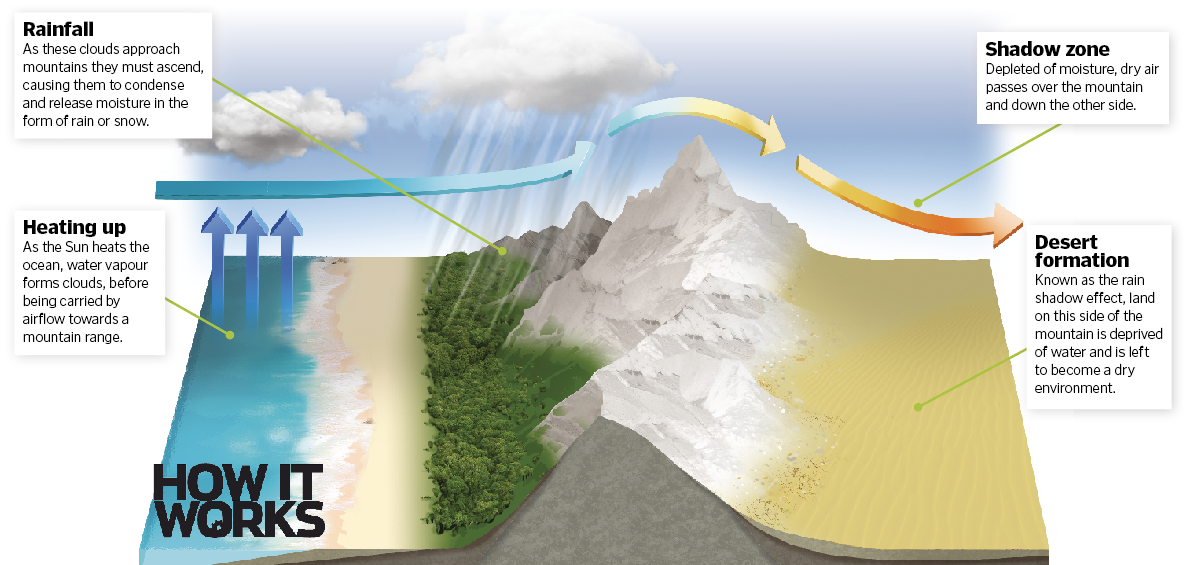
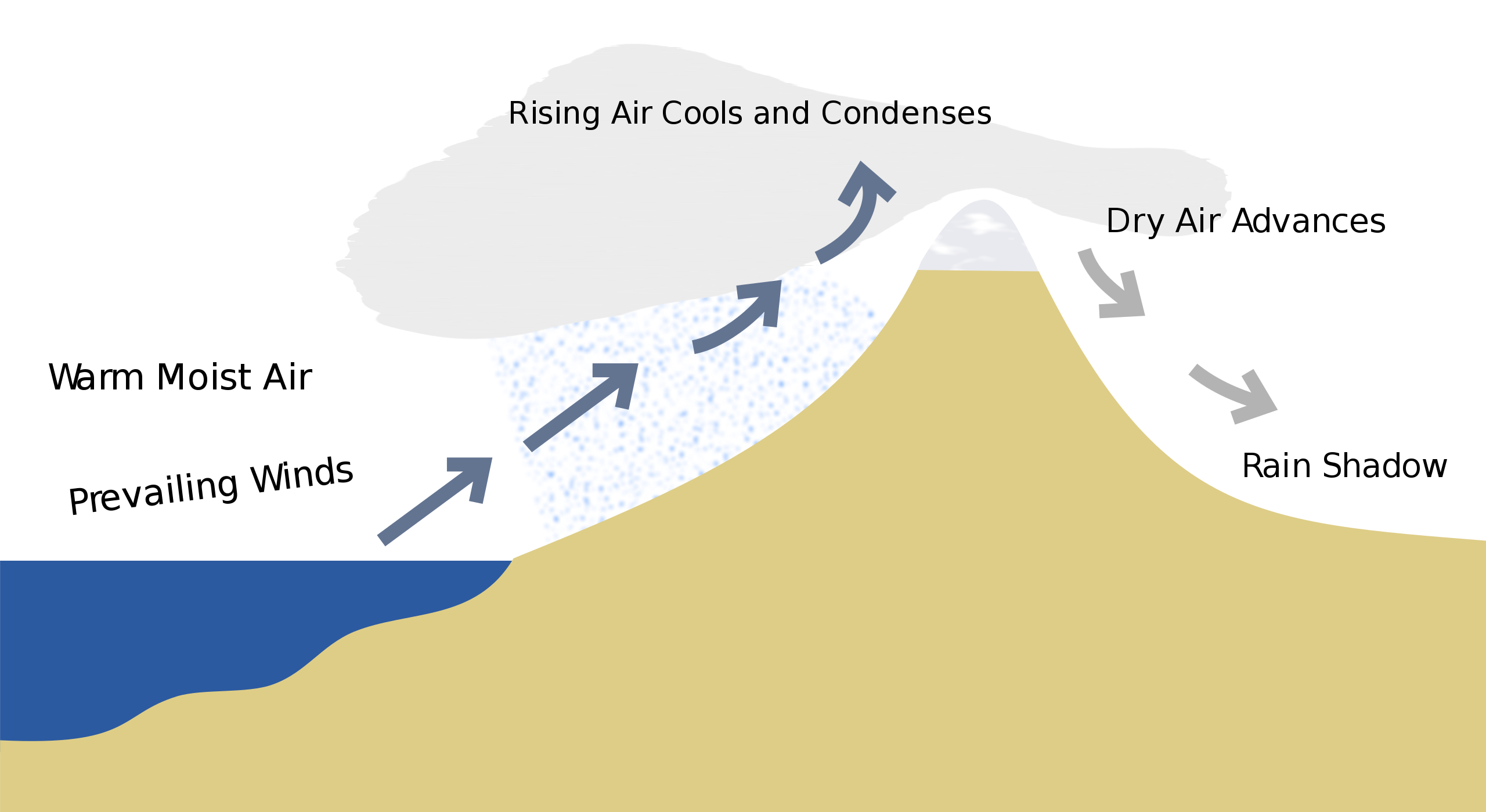
Another significant factor in desert creation is the rain shadow effect. When moist air masses encounter mountain ranges, they are forced to rise. As they ascend, the air cools, and its moisture condenses, resulting in heavy rainfall on the windward side of the mountains. By the time the air descends on the leeward side, it has lost most of its moisture and is now warm and dry, creating an arid or semi-arid region – a desert. The Gobi Desert in Asia and the Atacama Desert in South America are classic examples of deserts formed by this phenomenon.
- Relevance to Brand: In the world of branding, mountains can represent established, dominant players in a market. For smaller, emerging brands, trying to compete directly with these giants can be like trying to find moisture on the leeward side of a mountain. The established brand’s “rain shadow” can prevent new competitors from gaining traction. Successful branding strategies often involve finding a niche, a different “windward” side, or developing unique value propositions that can carve out their own space, rather than trying to force their way through an existing barrier. Building a strong “brand ecosystem” can also help mitigate the shadow effect, creating microclimates of customer loyalty and engagement.
Continental Interiors: The Tyranny of Distance
Large landmasses also contribute to desertification. Regions deep within continents are far from oceanic sources of moisture. As air masses travel over vast distances, they tend to lose their moisture through precipitation along the way. By the time they reach continental interiors, they are significantly drier. This is why vast areas in the heart of Asia and North America can be arid, even without significant mountain ranges or being located at the 30-degree latitudes.
- Relevance to Money: The “continental interior” metaphor can be applied to financial planning and business strategy. Businesses or individuals who are too far removed from their “moisture sources” – be it reliable revenue streams, access to capital, or a consistent customer base – can face financial drought. Diversification of income, strategic partnerships, and maintaining strong connections with markets are crucial for ensuring a steady flow of “moisture” – financial resources – to prevent a “financial desert” from forming. Proactive financial planning, much like understanding weather patterns, can help anticipate and mitigate these arid periods.
Topographical and Oceanographic Influences on Aridity
Beyond the grand scale of atmospheric circulation and continental geography, specific topographical and oceanographic features play a crucial role in shaping desert environments.
Cold Ocean Currents: Stripping the Air of Moisture
Surprisingly, cold ocean currents along the western coasts of continents can contribute to desert formation. As air masses move from the warmer land towards the cooler ocean, they cool and become stable. However, when these air masses then move back towards the warmer landmass, they absorb very little moisture from the cold ocean surface. This is because the air directly above the cold current is cold and stable, preventing significant evaporation from the ocean surface. This effect creates coastal deserts like the Atacama in South America and the Namib in Africa. The air that eventually moves inland has been stripped of its moisture-carrying capacity.
- Relevance to Tech: This concept of “cooling” and “stripping” can be likened to market saturation and outdated technologies. When a technology becomes “cold” or obsolete, it loses its ability to absorb new ideas or user engagement. Companies that fail to adapt to new “warm currents” of innovation can find their offerings becoming irrelevant, much like the air over a cold current becomes incapable of carrying moisture inland. The constant need for “warming up” through R&D and embracing new paradigms is essential to avoid becoming a “cold current” in the tech landscape.
Salt Flats and Endorheic Basins: Trapped Waters Become Arid
In some regions, water flows into basins but has no outlet to the sea. These are known as endorheic basins. Over time, as water evaporates, dissolved salts and minerals are left behind, creating salt flats or playas. These environments are extremely arid due to the high concentration of salt, which draws moisture away from any potential plant life. The Bonneville Salt Flats in the US and the Salar de Uyuni in Bolivia are prominent examples.
- Relevance to Brand: The idea of “trapped water” can be seen in brands that become insular and fail to interact with their wider ecosystem. A brand that only focuses on its internal operations, neglecting customer feedback, market trends, or collaborative opportunities, can become like an endorheic basin. Its resources (ideas, customer loyalty, market share) become “trapped,” and the high concentration of “salt” (internal focus, lack of external input) makes it difficult for new growth or innovation to emerge. A successful brand needs to “flow” outwards, interacting with its audience and the broader market to maintain its vitality.
Human Impact: Accelerating the Aridification Process
While natural forces are the primary creators of deserts, human activities can significantly exacerbate and even initiate desertification, particularly in semi-arid regions.
Unsustainable Land Use: Overgrazing and Deforestation
Unsustainable agricultural practices, such as overgrazing by livestock and the clearing of forests for timber or fuel, can strip vegetation cover. This vegetation plays a crucial role in retaining soil moisture and preventing erosion. Once the protective cover is gone, the soil is exposed to wind and sun, leading to erosion and a decrease in its ability to absorb and hold water. This process can transform semi-arid grasslands into barren deserts. The expansion of the Sahara Desert southward is a well-documented example of human-induced desertification.
- Relevance to Money/Brand: This highlights the importance of sustainable practices in both finance and brand management. In finance, unsustainable debt or speculative practices can lead to a financial “desert” where assets dry up. In branding, aggressive, short-term marketing tactics that alienate customers or compromise ethical standards can similarly lead to a loss of trust and a barren brand landscape. Sustainable business models, ethical marketing, and responsible financial management are the “vegetation” that protects against “desertification.”
Climate Change and Shifting Precipitation Patterns
Global climate change, driven by human activities, is also a significant factor in desert creation and expansion. Rising global temperatures can lead to increased evaporation rates, while altered atmospheric circulation patterns can shift rainfall zones, leading to prolonged droughts in some regions. These changes can push areas that were once habitable into arid or semi-arid conditions.
- Relevance to Tech/Brand/Money: The overarching impact of climate change serves as a potent reminder that external, systemic factors can dramatically alter established landscapes. In tech, rapid advancements can render existing technologies obsolete almost overnight. In branding, societal shifts and evolving consumer values can quickly devalue a brand’s perceived relevance. Financially, global economic shifts and geopolitical instability can create unprecedented market volatility. Adapting to these changing “climates” – whether technological, social, or economic – is paramount for survival and growth. This requires foresight, flexibility, and a commitment to continuous learning and evolution, just as understanding the forces that create deserts helps us prepare for their impact.
In conclusion, the creation of deserts is a multifaceted phenomenon driven by a complex interplay of atmospheric dynamics, geographical features, and human actions. By understanding these forces, we can draw valuable lessons for our own endeavors. In the fast-paced worlds of technology, brand building, and financial management, recognizing the parallels between arid landscapes and potential market droughts, brand stagnation, or financial scarcity can empower us to cultivate resilience, foster innovation, and ensure sustained growth in an ever-changing world. Just as a healthy ecosystem requires a balance of resources and dynamic processes, so too do successful technological advancements, enduring brands, and robust financial futures depend on proactive management and a deep understanding of the forces that shape our environments.
aViewFromTheCave is a participant in the Amazon Services LLC Associates Program, an affiliate advertising program designed to provide a means for sites to earn advertising fees by advertising and linking to Amazon.com. Amazon, the Amazon logo, AmazonSupply, and the AmazonSupply logo are trademarks of Amazon.com, Inc. or its affiliates. As an Amazon Associate we earn affiliate commissions from qualifying purchases.