
The evolution of endurance sports has shifted from raw biological determination to a sophisticated integration of high-performance technology. In the modern era, running faster is no longer just about grinding out miles on the track; it is about leveraging data, optimizing biomechanics through digital precision, and utilizing hardware that redefines physical limitations. Whether you are an amateur enthusiast or a competitive athlete, the intersection of technology and performance has created a new blueprint for speed.
The Digital Architecture of Biometric Feedback
Achieving top speed requires an intimate understanding of how your body functions under load. Modern wearable technology has moved beyond simple step counting to provide real-time physiological insights that act as a personal coach strapped to your wrist.
Real-Time Gait Analysis and Cadence Tracking
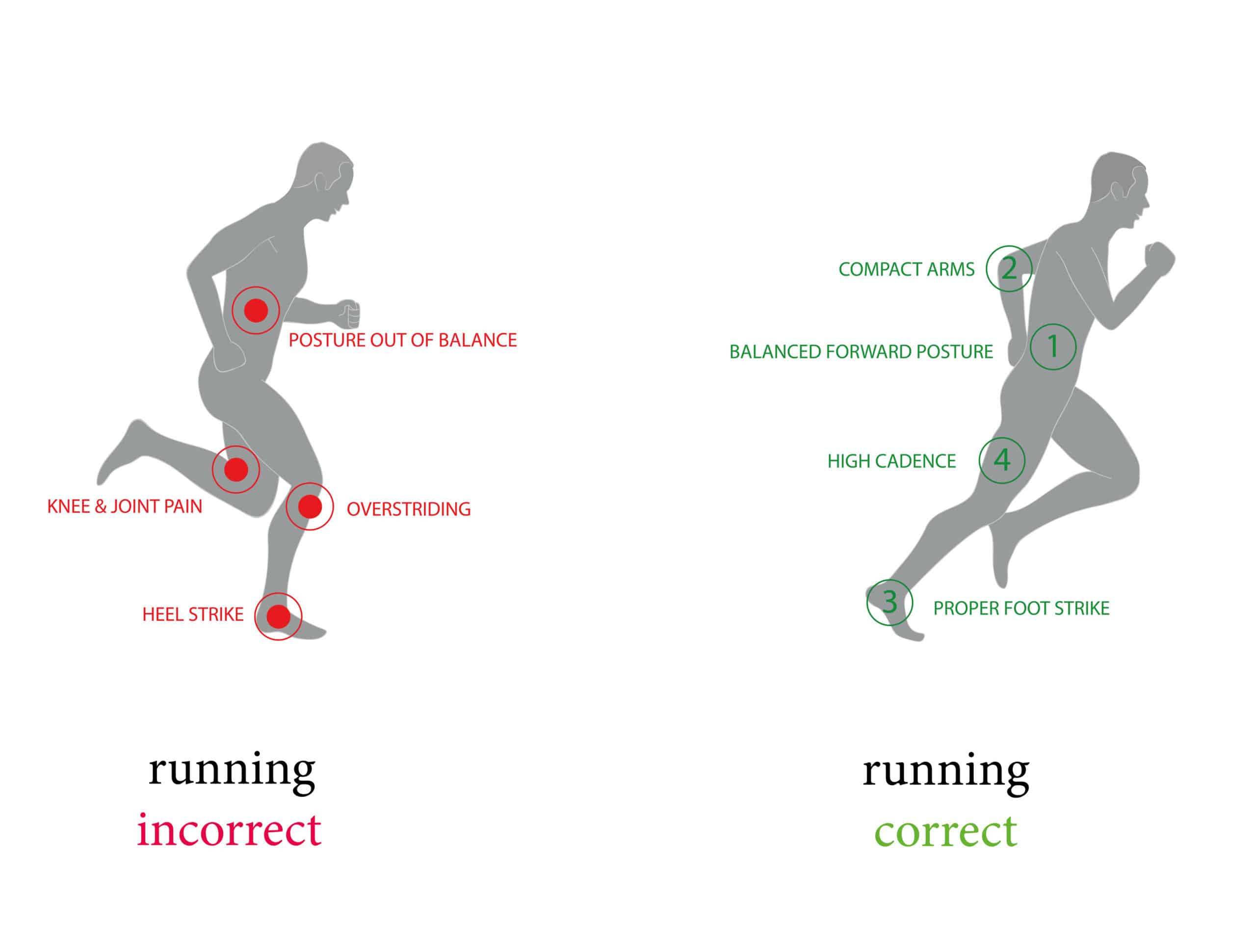
The most significant barrier to running faster is mechanical inefficiency. Every wasted movement represents lost energy. New generations of smart insoles and advanced GPS watches utilize internal gyroscopes and accelerometers to monitor oscillation, ground contact time, and cadence. By analyzing your gait in real-time, these devices highlight asymmetries—such as a weak glute causing a hip drop—that lead to injury and decelerate your pace. Correcting these mechanical inefficiencies through objective data allows the runner to achieve a smoother, more fluid stride that naturally increases velocity.
Heart Rate Variability (HRV) and Recovery Optimization
Speed is as much about recovery as it is about output. Overtraining is the silent killer of performance gains. High-end fitness trackers now monitor Heart Rate Variability (HRV) to determine the readiness of your central nervous system. By analyzing the time intervals between heartbeats, these tools can dictate whether your body is primed for a high-intensity interval session or requires a low-intensity recovery day. Adhering to these data-driven recovery cycles prevents burnout and ensures that when you do step onto the track, your body is capable of operating at its peak potential.
Precision Engineering: The Role of Super Shoes and Advanced Materials
Perhaps the most visible revolution in running speed is the emergence of “super shoes.” This is where material science converges with athletic performance, fundamentally altering the physics of the running stride.
Carbon Fiber Plate Integration
The hallmark of the modern racing shoe is the embedded carbon fiber plate. This rigid component acts as a lever, minimizing the energy loss at the metatarsophalangeal joints and providing a snap-back sensation that propels the runner forward. By stiffening the shoe, engineers have reduced the workload on the calf muscles, allowing runners to maintain higher paces for longer durations. This shift in footwear technology has necessitated a change in training methodology, as the mechanical advantage provided by the plates requires specific engagement of the posterior chain.
High-Energy Return Foam Compounds
Coupled with carbon plates are proprietary thermoplastic elastomer foams. These foams are designed to be both incredibly lightweight and highly resilient. Unlike traditional EVA foams that compress and stay compressed, these advanced materials return a significant percentage of energy with every foot strike. When combined with the geometry of the shoe’s rocker, these compounds create a “bouncing” effect that effectively lowers the metabolic cost of running at high speeds. For a runner, this equates to the ability to hold a faster pace while maintaining a lower heart rate compared to traditional footwear.

Leveraging AI for Personalized Training Programs
Generic training plans are a relic of the past. The future of speed lies in machine learning algorithms that adapt to your performance data on a weekly, sometimes daily, basis.
Predictive Performance Modeling
AI-driven training platforms aggregate your historical data—mileage, intensity, weather conditions, and sleep quality—to create dynamic training loads. If an algorithm detects that your pace at a specific heart rate zone is stagnating, it can automatically adjust your upcoming workouts to include more threshold intervals or hill repeats. This level of granular control ensures that the training stress is always perfectly aligned with your current physiological capacity, creating a cycle of constant, sustainable improvement.
Virtual Coaching and Simulated Pacing
Technology has also revolutionized the psychological aspect of running faster. Augmented Reality (AR) glasses and smart audio-coaching apps allow runners to compete against “ghosts” of their own personal bests. By receiving live audio feedback on your current pace relative to your target, you eliminate the guesswork. This precision allows for disciplined pacing, preventing the common mistake of starting too fast and burning out, or starting too slow and failing to meet the physiological demands of a race-day effort.
The Data-Driven Ecosystem: Integrating Nutrition and Hydration Tech
Speed is the byproduct of fueling. The next frontier in running technology involves the integration of continuous glucose monitoring (CGM) and intelligent hydration tracking to ensure the engine never runs dry.
Continuous Glucose Monitoring (CGM)
The internal chemical state of the body dictates speed. By utilizing wearable glucose monitors, runners can observe exactly how their bodies react to different fuel sources in real-time. This eliminates the “gut feeling” approach to nutrition. By maintaining optimal blood glucose levels during training, you avoid the dreaded “bonk” or metabolic crash that occurs when energy stores are depleted. Keeping blood sugar stable during high-intensity efforts allows you to maintain peak output without the performance fluctuations caused by glycemic instability.
Smart Hydration Management
Dehydration, even at a minimal level, results in a significant increase in heart rate and a decrease in power output. Modern smart bottles and sensor-based sweat testers provide data on electrolyte loss rates. By knowing exactly what your body loses in specific temperature and humidity conditions, you can preemptively manage your hydration. This level of logistical preparation ensures that your physiological performance remains uncompromised by the environmental stressors that typically limit speed in outdoor settings.
Future Horizons: The Convergence of Tech and Biology
Looking forward, the pursuit of speed will move toward the integration of biotechnology. We are approaching an era where sensor arrays will monitor muscle oxygenation (SmO2) in real-time, providing an exact measurement of how efficiently your muscles are utilizing the oxygen delivered by your cardiovascular system.
As these technologies become more miniaturized and integrated into our daily gear, the “feel” of running will be augmented by a digital layer of objective, actionable information. The difference between a good runner and a great runner will eventually depend on who has access to the most accurate data and who possesses the discipline to act on it. Running faster is no longer a mystery; it is a calculated, iterative process of hardware optimization and software-driven training that turns the human body into a highly efficient machine. By embracing these advancements, you transition from running against the clock to commanding your own performance parameters.
aViewFromTheCave is a participant in the Amazon Services LLC Associates Program, an affiliate advertising program designed to provide a means for sites to earn advertising fees by advertising and linking to Amazon.com. Amazon, the Amazon logo, AmazonSupply, and the AmazonSupply logo are trademarks of Amazon.com, Inc. or its affiliates. As an Amazon Associate we earn affiliate commissions from qualifying purchases.