
The “TGIF” (Thank Goodness It’s Funny) programming block on ABC is more than just a nostalgic memory for 90s television audiences; it stands as one of the most successful examples of integrated brand strategy and audience targeting in the history of broadcast television. From a marketing perspective, TGIF was a masterclass in building a cohesive corporate identity that transformed a collection of disjointed sitcoms into a unified, Friday-night lifestyle experience. By leveraging cross-promotional synergy and a clear understanding of the family-oriented demographic, ABC managed to dominate the “appointment television” landscape for over a decade.
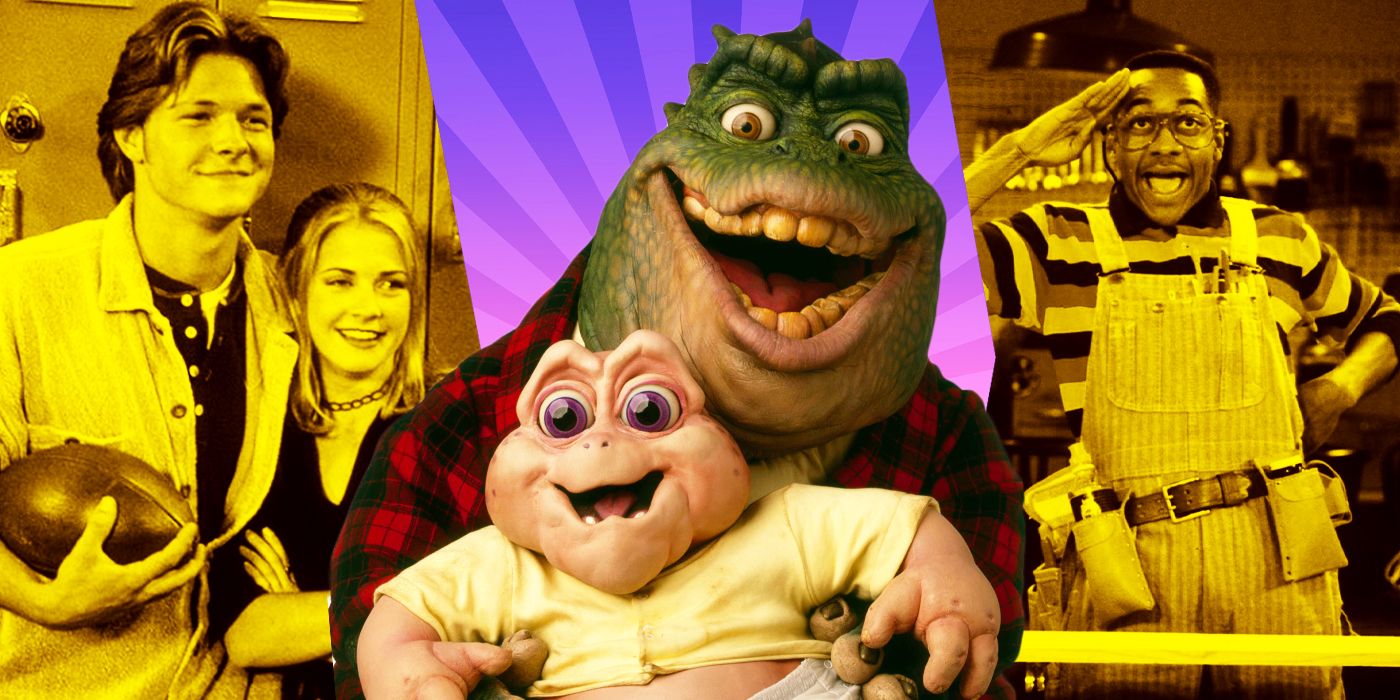
The Architecture of a Cohesive Brand Identity
The strength of TGIF lay in its ability to market the block as a brand, rather than selling individual shows. In an era before streaming-on-demand, consumer behavior was driven by time-slot availability and channel loyalty. ABC recognized that to secure the highly coveted family demographic, they needed to create a “surround sound” environment that made Friday night a destination event.
Creating the “Comfort Zone” Experience
The brand strategy relied on the psychological concept of the “safe space.” Each show within the block followed a reliable formula: high-concept premises (talking cats, magical powers, mismatched families) grounded in relatable, moral-driven storytelling. By maintaining a visual and tonal consistency, ABC effectively turned the network into a trusted brand. Families didn’t just watch Full House or Family Matters; they “watched TGIF.” This distinction is critical in branding. When a network achieves this level of identity, the brand itself becomes the product, and individual shows serve as mere features or extensions of that overarching promise.
Synergistic Cross-Promotion
ABC mastered the art of brand infiltration. By using consistent recurring motifs, bumpers, and cross-promotional cameos, the network ensured that if a viewer liked one show, they were incentivized to stay through the entire three-hour block. The “TGIF” branding acted as a seal of quality. If it aired on Friday nights between 8:00 PM and 11:00 PM, the consumer knew exactly what to expect: clean, lighthearted humor that would appeal to everyone from a six-year-old to a parent. This reduced the “search cost” for the viewer, effectively capturing the entire household’s attention for the duration of the prime-time slot.
Strategic Target Audience Alignment
For any brand, the ability to define and cater to a primary persona is the cornerstone of long-term success. TGIF was designed with a dual-layer marketing approach: appeal to the children who controlled the remote, while ensuring the content remained “brand-safe” enough for the parents who controlled the household budget.
The Power of the “Family Sitcom” Ecosystem
The lineup—which included staples like Full House, Family Matters, Step by Step, and Boy Meets World—was carefully curated to reflect the American nuclear family structure, or at least the idealized version of it. By positioning these shows as the digital hearth of the home, ABC tapped into an emotional resonance that purely commercial programming failed to capture.
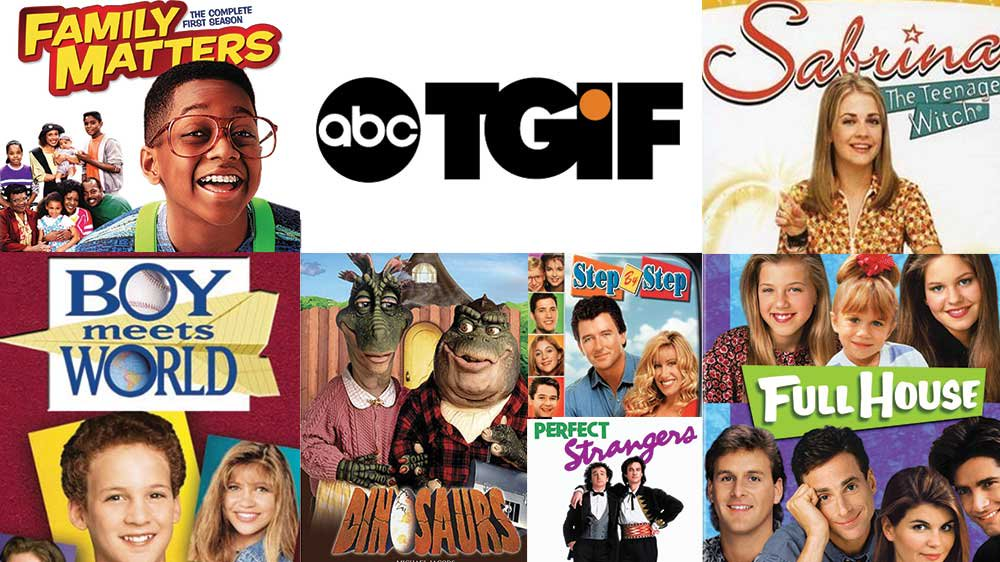
From a marketing strategy standpoint, this was genius. By creating a schedule that spanned from pre-teen whimsy (Sabrina the Teenage Witch) to coming-of-age transitions (Boy Meets World), the network effectively “walked up the age ladder” with their audience throughout the night. This strategic sequencing ensured that the audience churn rate—the percentage of viewers who stop watching between shows—was minimized, maximizing the CPM (cost per mille) for advertisers.
Leveraging Celebrity as a Brand Asset
TGIF utilized its stars as brand ambassadors long before the term “influencer marketing” entered the common lexicon. Actors like Candace Cameron Bure, Jaleel White, and Melissa Joan Hart weren’t just characters; they were the faces of the TGIF brand. ABC capitalized on this by creating collaborative special events, such as crossover episodes and thematic holiday specials that spanned the entire lineup. This tactic reinforced the sense of a shared “TGIF Universe,” deepening the viewer’s loyalty to the network’s ecosystem and preventing them from migrating to competing networks like NBC or CBS.
The Economics of Long-Term Brand Loyalty
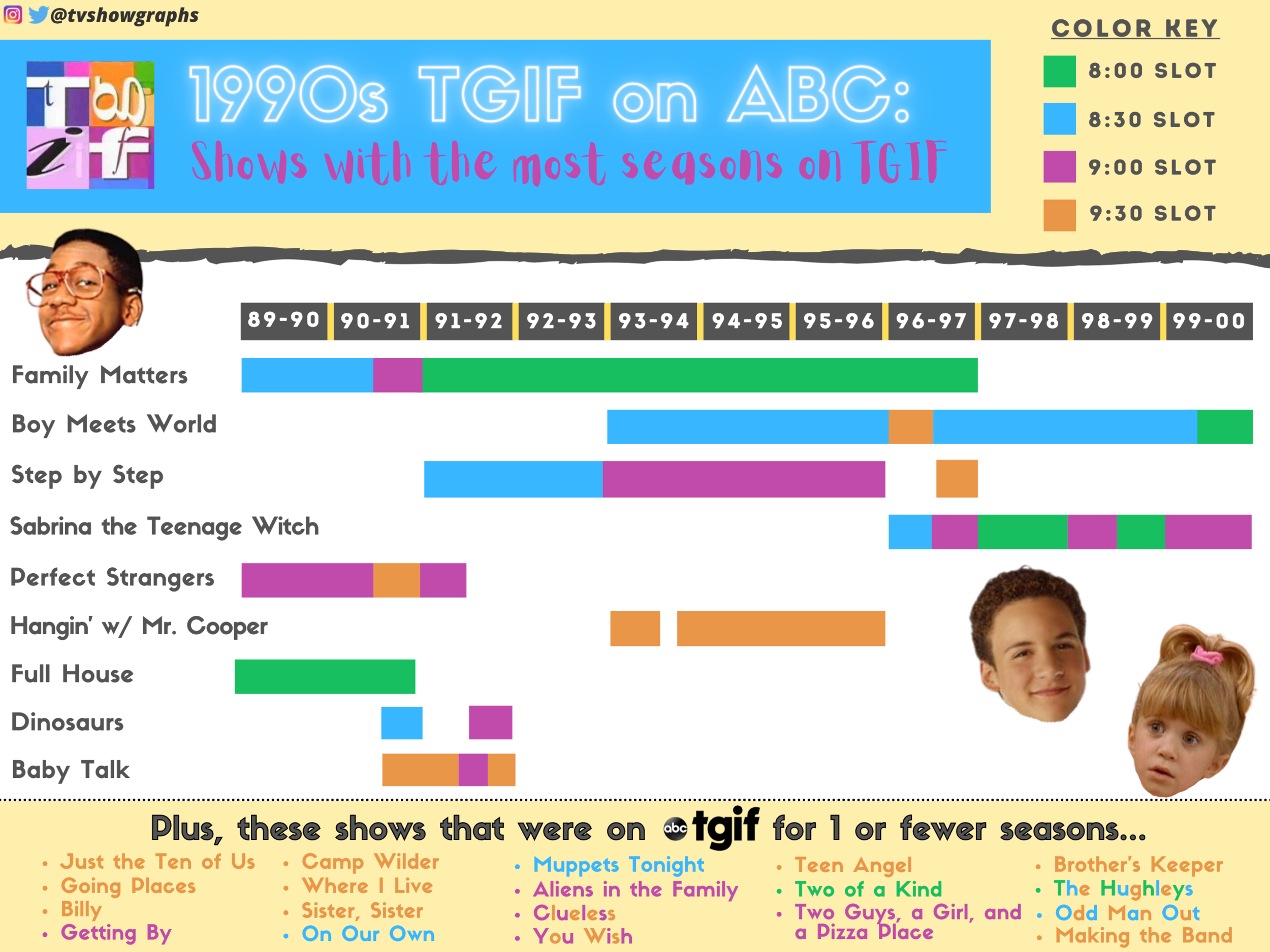
The business case for TGIF demonstrates how a well-executed branding strategy can extend the product lifecycle. Many of the shows on the TGIF block ran for six to eight seasons—a rare feat in modern television. This longevity was not accidental; it was the direct result of building a brand that was insulated from market fluctuations.
The Retention Strategy: Nostalgia and Consistency
By adhering to a rigid format, the network built a “brand equity” that made the shows resilient. Even when individual series started to see declining interest, the strength of the TGIF umbrella brand sustained the Friday night block. Audiences returned not necessarily because of the specific character arc of a show, but because of the consistent, familiar experience that the brand promised. This is the definition of brand loyalty: the preference for a specific entity based on a repeated promise of satisfaction, regardless of external competition.
Adaptation as a Branding Tool
Even when the network needed to refresh the lineup, the brand identity remained the anchor. Introducing newer shows like Sabrina the Teenage Witch or Sister, Sister into the established lineup allowed ABC to capture younger generations without alienating the existing viewer base. Because the “TGIF” brand was already established in the minds of the consumer as a reliable source of quality family entertainment, the introduction of a new program was perceived as a “new feature” rather than a disruptive change. This effectively mitigated the risk associated with launching new shows, as the branding did the heavy lifting of introducing the new content to the pre-existing, loyal audience.
Lessons from the TGIF Playbook
Modern brand strategists can learn a great deal from the TGIF model. The transition from broadcast television to a decentralized, digital-first landscape has changed how we consume content, but the fundamental principles of brand architecture remain constant.
- Uniformity is Strength: A collection of products (or shows) is just a list until a brand identity ties them together. TGIF proved that visual identity, tone, and shared values create a cohesive unit that is greater than the sum of its parts.
- Understand the Ecosystem: ABC knew that their viewers were not just individuals, but parts of a household. By creating content that catered to the entire unit, they secured a dominant market position.
- Consistency Builds Trust: By creating a “safe space” for entertainment, they built a level of trust that kept viewers coming back every single week for years.
While the “Friday night block” model has evolved into the current landscape of algorithmic content suggestions and streaming queues, the success of TGIF remains a case study in effective brand management. It was an era where the brand was the star, and the strategy was built on the foundation of predictability, connection, and community. For businesses today—whether they are building a software suite, a personal brand, or an e-commerce empire—the lesson remains the same: define your audience, curate a consistent experience, and make your brand the destination, not just the content. The shows on TGIF were more than mere sitcoms; they were the individual nodes of a powerful, long-lasting brand network that defined an era of media history.
aViewFromTheCave is a participant in the Amazon Services LLC Associates Program, an affiliate advertising program designed to provide a means for sites to earn advertising fees by advertising and linking to Amazon.com. Amazon, the Amazon logo, AmazonSupply, and the AmazonSupply logo are trademarks of Amazon.com, Inc. or its affiliates. As an Amazon Associate we earn affiliate commissions from qualifying purchases.