
Loretta Lynn, the legendary Queen of Country Music, built an empire not just on her hauntingly honest songwriting, but on a meticulously crafted personal brand that resonated with millions. Central to that narrative was her tempestuous and deeply complicated relationship with her husband, Oliver Vanetta “Doolittle” Lynn, often referred to simply as “Doo.” When analyzing Lynn’s career through the lens of brand strategy, her marriage serves as a fascinating case study in how personal identity, authenticity, and narrative control can define a celebrity’s legacy in the public imagination.
The Architecture of Authenticity in Country Music
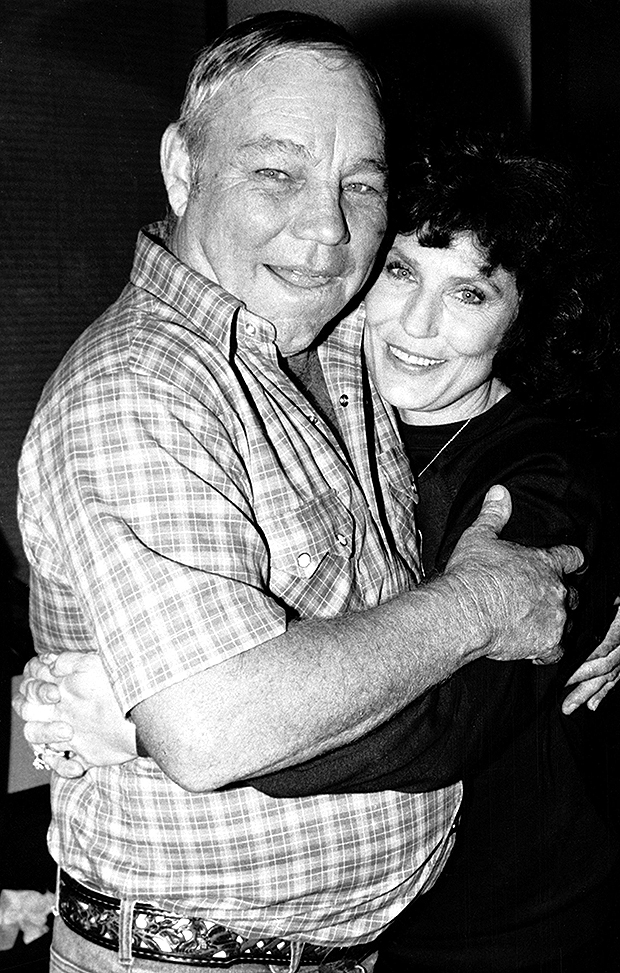
The core of Loretta Lynn’s brand was radical authenticity. In an era where country music stars were often polished and kept at a distance, Lynn cultivated a persona that was deeply rooted in her Appalachian upbringing. Her marriage to Doolittle was the crucible in which this brand was formed. By documenting the highs and the lows of her life with Doo—from his early encouragement of her career to his well-documented struggles with alcoholism and infidelity—Lynn turned her private life into a public utility.
Turning Personal Conflict into Brand Equity
In marketing terms, Lynn did not hide the “friction” in her life; she capitalized on it. Songs like “Don’t Come Home A-Drinkin’ (With Lovin’ on Your Mind)” acted as authentic brand statements that prioritized the voice of the working-class housewife. Because the audience knew about Doolittle, the lyrics carried an undeniable weight. This strategy turned her marriage into a narrative anchor. For any brand, the lesson here is profound: consistency in storytelling—even when the story is painful—creates a deep, emotional barrier to entry for competitors. Fans didn’t just listen to her songs; they invested in the arc of her marriage.
Managing the “Doo” Persona as a Marketing Asset
Doolittle Lynn acted as the manager and the antagonist in Loretta’s story. From a branding perspective, he was the external force that necessitated her growth. By positioning herself as the woman constantly reacting to or overcoming her husband’s shortcomings, she empowered her female listeners. Her personal brand became a mirror for the struggles of her demographic. She was not just a singer; she was a representative. This is the gold standard of personal branding: when your personal story becomes synonymous with the collective experience of your target market.
The Power of Strategic Vulnerability
Modern brand strategy often emphasizes the importance of “being human.” Loretta Lynn was a pioneer of this philosophy decades before it became a buzzword in digital marketing circles. Her willingness to discuss her marriage openly created an unassailable sense of loyalty among her fanbase.
Transparency as a Competitive Advantage
In the music industry, image is everything. Many artists attempt to curate a perfect, aspirational lifestyle. Loretta Lynn went the opposite direction. She showcased the grit, the dirt, and the drama. By naming her husband publicly and refusing to shy away from his flaws, she established a level of transparency that acted as a competitive advantage. Audiences trust brands that show their scars. When a brand admits its faults or shares its behind-the-scenes struggles, it builds an intimacy that polished marketing materials simply cannot replicate.

Controlling the Narrative
Even in the face of public scrutiny regarding their marriage, Lynn maintained control of the narrative. She decided which details would go into her songs and her autobiographies. This is a critical lesson in corporate identity and individual branding: you must own your story before someone else does. By writing about Doolittle, she set the terms of engagement. She defined how the world perceived their relationship, effectively framing her husband as a character in her story rather than a victimizer who controlled her fate.
The Evolution of a Personal Brand Legacy
As Loretta Lynn transitioned from a rising star to a cultural icon, her brand identity evolved, but the foundational element—her history with Doolittle—remained the cornerstone. As a case study, this shows how a consistent anchor can sustain a brand over decades, even as the market shifts.
Consistency Through Transitions
Throughout the various shifts in country music’s sound and the changing cultural attitudes toward marriage and women’s roles, Lynn remained consistent. Her brand voice was the same in the 1960s as it was in the 2000s. She never tried to sanitize her past to fit a more modern, politically correct mold. This unwavering commitment to her origin story ensured that her core audience never felt betrayed. For businesses, this highlights the necessity of staying true to the “why” of the brand, regardless of how long the brand has been in the market.
Legacy Building and Narrative Ownership
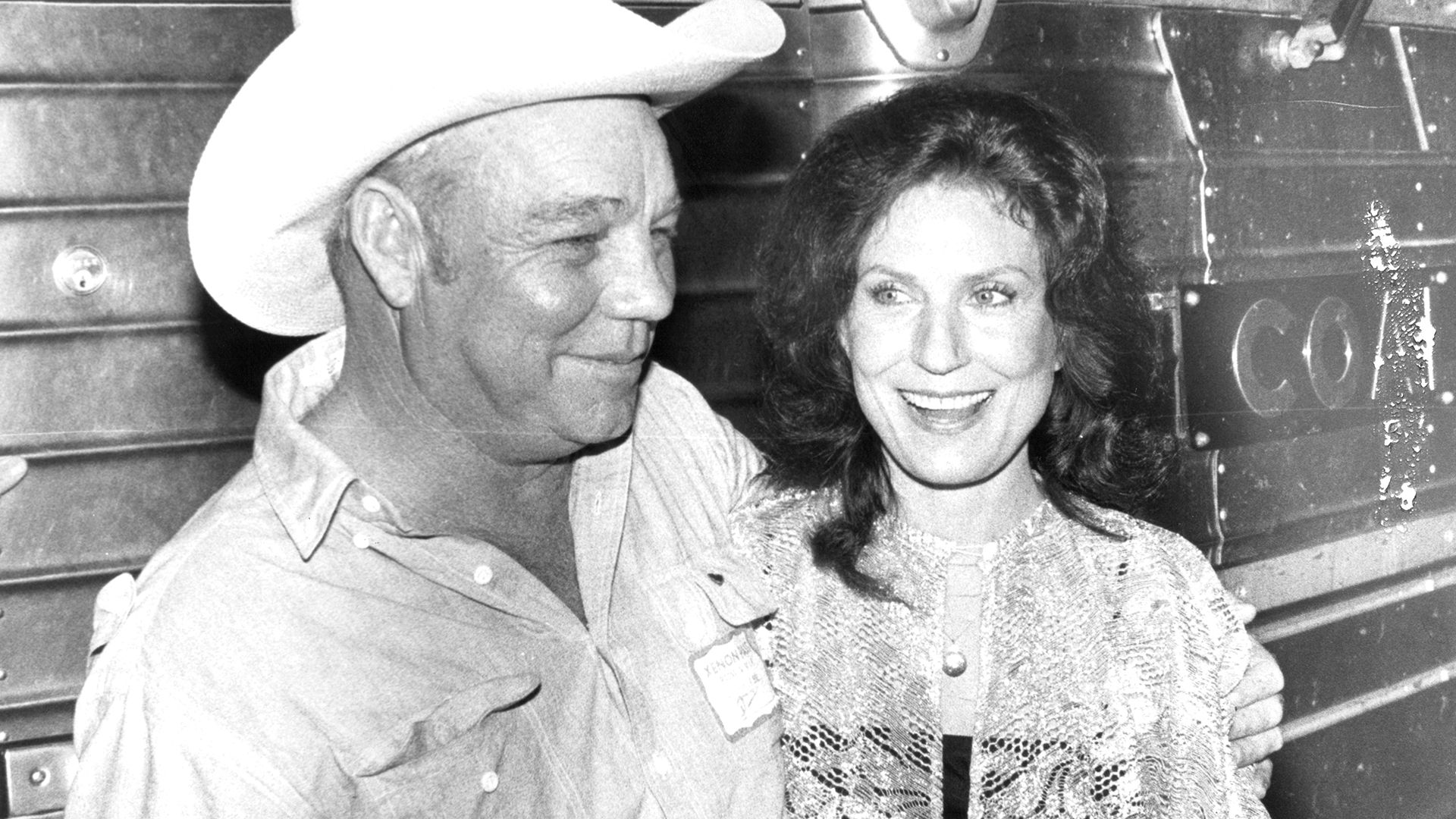
When Doolittle passed away in 1996, Lynn’s branding shifted toward a retrospective appreciation of their life together. She framed him not just as the source of her pain, but as the primary architect of her success. This pivot in the narrative demonstrates a masterful grasp of emotional branding. By reframing their history in her later years, she provided her audience with a sense of closure, effectively cementing her brand as one of resilience and ultimate forgiveness. She controlled the final chapter of their shared story, ensuring that the legacy of their partnership remained aligned with her own personal brand values of strength and endurance.
Key Takeaways for Personal and Corporate Branding
The life and marriage of Loretta Lynn provide a blueprint for anyone looking to build a sustainable, influential brand. The lessons extend far beyond music and into the realms of marketing, design, and identity management.
- Own Your Friction: Do not shy away from the challenges or controversies surrounding your brand. If managed correctly, these challenges provide the most compelling chapters of your brand story.
- Prioritize Authenticity: In a saturated market, authenticity is the only true point of differentiation. If your audience can feel the truth behind the message, they will become brand evangelists.
- Master Narrative Control: You are the author of your own brand story. If you do not define the narrative, the market will define it for you, often with less favorable results.
- Leverage Emotional Resonance: People do not buy products or services; they buy into stories. Loretta Lynn’s ability to weave her marriage into her music allowed her fans to feel as though they were living through the music with her.
- Consistency is King: While your brand may adapt to modern trends, your core values and your foundational “story” should remain intact. This consistency creates a legacy that can survive decades of change.
Loretta Lynn’s marriage to Doolittle was more than just a relationship; it was the engine that powered one of the most successful personal brands in American history. By navigating the complexities of their union with raw honesty and strategic foresight, she turned a standard celebrity marriage into a career-defining asset. Whether you are building a personal brand, managing a corporate identity, or crafting a long-term marketing strategy, the story of Loretta Lynn serves as a masterclass in how to turn the personal into the powerful. She remains the ultimate example of how to build a brand that is not just heard, but felt—a legacy that will continue to resonate for generations to come.
aViewFromTheCave is a participant in the Amazon Services LLC Associates Program, an affiliate advertising program designed to provide a means for sites to earn advertising fees by advertising and linking to Amazon.com. Amazon, the Amazon logo, AmazonSupply, and the AmazonSupply logo are trademarks of Amazon.com, Inc. or its affiliates. As an Amazon Associate we earn affiliate commissions from qualifying purchases.