
The phrase “what towns are in Georgia” often elicits simple geographic lists, but for the discerning investor, it signals something far more significant: an opportunity map. Georgia has quietly transformed into one of the most dynamic economic powerhouses in the United States. For those focused on personal finance, real estate, and wealth building, understanding the economic ecosystem of Georgia’s towns is not a geography lesson—it is a study in financial leverage.
The Economic Corridors: Where Capital Flows in Georgia
When evaluating Georgia from a financial perspective, the state is best viewed through its infrastructure and industrial hubs. Strategic wealth accumulation often follows the path of least resistance—specifically, where major logistics, tech, and corporate expansions are occurring.

The Atlanta Metro Outliers
While Atlanta is the obvious anchor, the true financial potential lies in the satellite towns that feed into it. Towns such as Alpharetta, Marietta, and Peachtree Corners are no longer mere “bedroom communities.” They have evolved into Tier-1 business hubs. Alpharetta, in particular, has become a center for fintech and cybersecurity firms. For the investor, these towns offer a high concentration of high-earning professionals, stable real estate demand, and a tax environment that is increasingly competitive compared to coastal economic centers.
The Logistics Backbone of the I-16 and I-75
Investing capital requires understanding movement. The towns lining the I-75 corridor, specifically south of Atlanta toward Macon and eventually down to Valdosta, are critical. These areas are undergoing a transformation driven by the expansion of the Port of Savannah and the subsequent need for warehousing and logistics infrastructure. For business owners, these towns represent the most affordable entry points for industrial real estate and supply chain-linked ventures.
Evaluating Towns Through a Portfolio Lens
When assessing a town in Georgia for investment purposes, one must look past the superficial appeal of southern charm. A disciplined financial approach requires analyzing three key performance indicators: the tax structure, the diversification of the local economy, and the pace of institutional development.
Tax Advantages and Business Incentives
Georgia maintains a business-friendly reputation, but the specific “town level” incentives vary wildly. Certain municipalities offer targeted tax abatements for small businesses or real estate developments in designated Opportunity Zones. Savvy entrepreneurs and investors prioritize these specific localities to maximize their internal rate of return (IRR). By aligning your business location with state-provided credits, you effectively lower your cost of operations while leveraging the infrastructure built by the town’s growth initiatives.
Diversification Beyond the Fortune 500
A major mistake in wealth management is over-concentrating in towns that rely on a single industry. Consider Augusta; historically, it was dominated by the medical and textile industries, but it has recently pivoted into a cybersecurity stronghold due to the presence of Fort Gordon and the NSA. This diversification makes it a robust choice for those seeking long-term stability. When choosing a location to park capital or launch a side hustle, prioritize towns where the employment base is split between government, private tech, and service sectors.
The Future of Growth: Emerging Markets and Hidden Assets
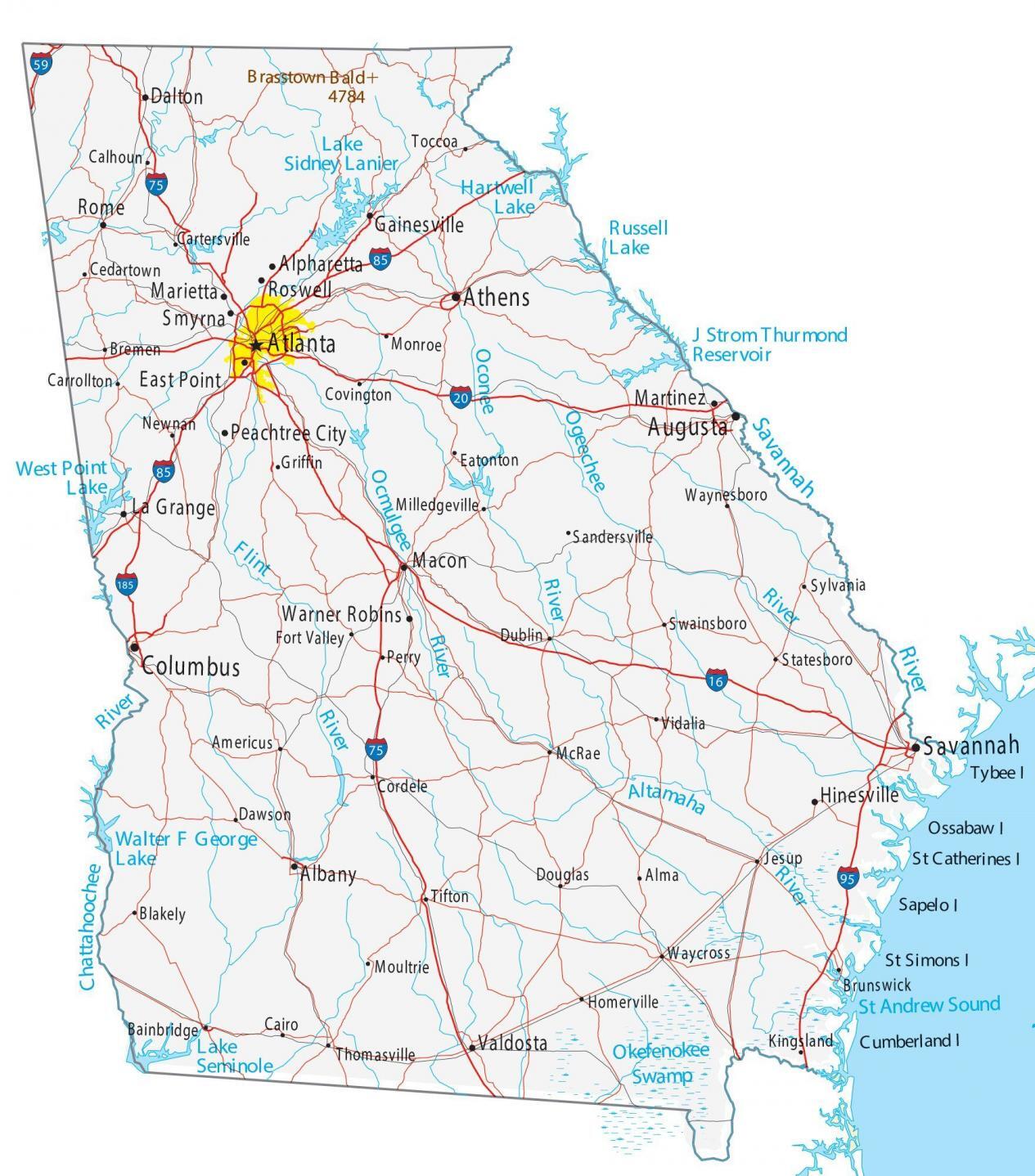
The “best” town in Georgia is relative to your specific financial goal. Whether you are looking for short-term rental demand, industrial leasing potential, or a quiet market for long-term residential appreciation, the state offers diverse tiers of opportunity.
Coastal Resilience and Economic Expansion
Savannah is perhaps the most compelling case study in Georgia’s economic resurgence. As a major logistics hub connected to one of the fastest-growing ports in the nation, Savannah’s economy is anchored in trade. However, the true wealth potential is often found in the smaller surrounding towns like Pooler and Richmond Hill. These areas are absorbing the overflow of the logistics boom, providing a “second-mover advantage” for real estate investors who missed the initial surge in the Savannah city center.
The North Georgia Tech Corridor
As the digital economy matures, we are seeing a shift toward “lifestyle-tech” hubs. Towns in the northern reach of the state, such as Gainesville, are benefiting from an influx of manufacturing and specialized healthcare facilities. These towns are seeing a demographic shift as professionals seek a higher quality of life without sacrificing access to high-speed digital infrastructure. This demographic migration is a leading indicator for retail and commercial real estate demand over the next decade.
Executing a Strategy in Georgia
To leverage the economic geography of Georgia, you must move beyond passive interest. A strategy involving local assets requires active participation in the local business landscape.
Leveraging Local Professional Networks
The most successful investors in Georgia treat “town intelligence” as a commodity. They engage with local Chambers of Commerce and regional economic development agencies to get ahead of zoning changes and utility expansions. If you are looking to invest in a new market, do not rely solely on public data; establish a network within the town. The people who know which commercial developments are being approved for the next five years are the same people who can help you secure high-value contracts or real estate parcels before they hit the open market.
Integrating Side Hustles with Regional Needs
For those looking to build wealth through side hustles or small-scale business, align your service offerings with the town’s identity. A tech-consulting firm in Alpharetta has a different growth ceiling than one in a rural town. Conversely, a service-based business like logistics management or local marketing is often less saturated in secondary towns like LaGrange or Rome. Your success is predicated on identifying a gap in the local market—a gap that is likely filled by big-city competitors who are ignoring the “smaller” towns of Georgia.
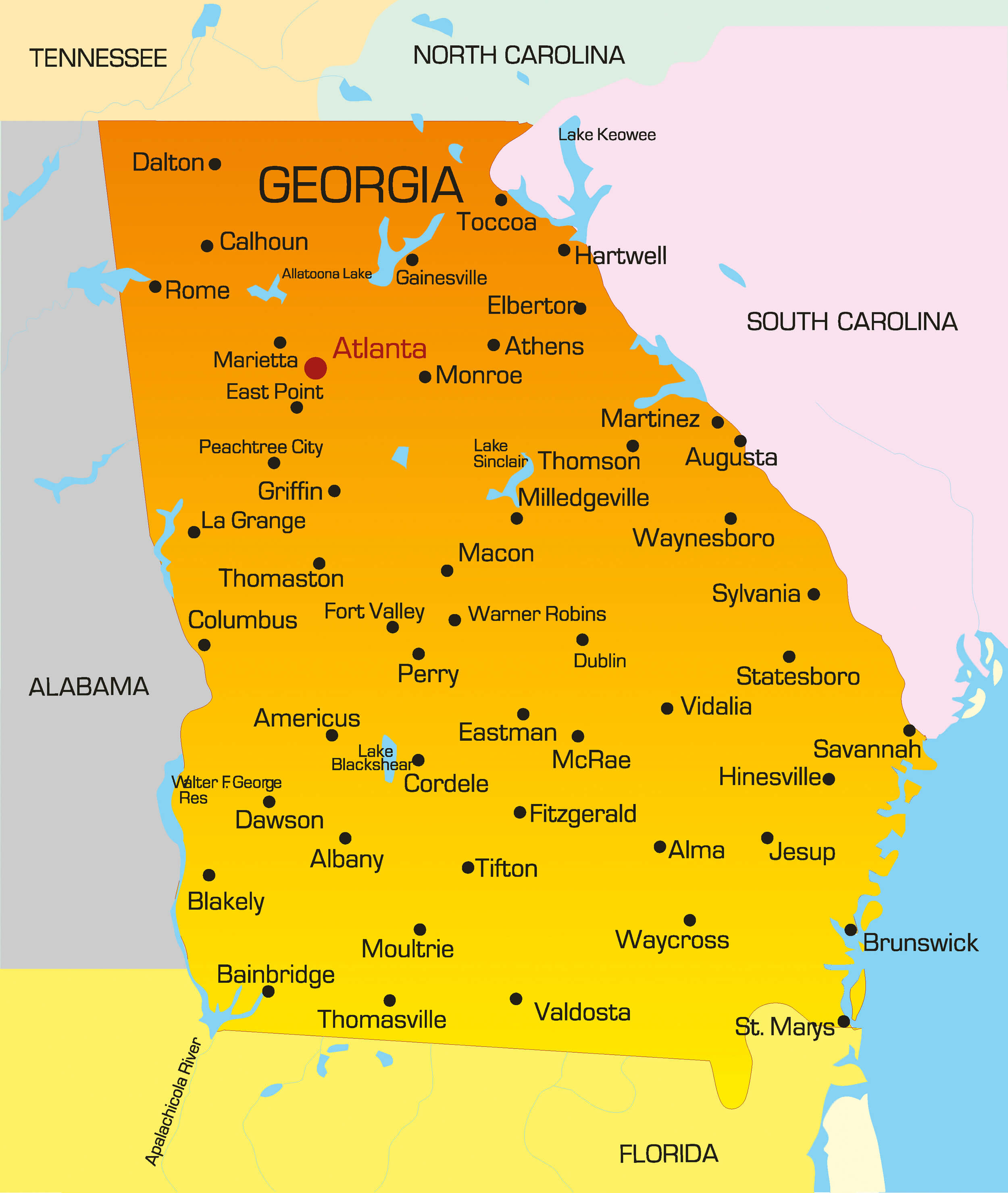
Conclusion: The Strategic Value of Georgia’s Landscape
Georgia is more than a list of municipalities; it is a multifaceted engine for capital growth. By viewing the state as a collection of economic nodes, the investor can identify where money is moving, where the government is incentivizing growth, and where the population is settling. Whether your focus is on real estate appreciation, industrial scalability, or launching a localized business, the key to wealth in Georgia is understanding the unique economic DNA of its towns.
When you ask, “what towns are in Georgia,” you are actually asking which of these engines is best suited to propel your financial goals. By focusing on infrastructure, tax policy, and regional diversification, you can turn a simple inquiry into a roadmap for sustained financial performance. The state’s continued expansion into a national logistics and technology leader ensures that those who position their assets strategically today will reap the benefits of Georgia’s long-term economic trajectory.
Always remember: in the world of personal finance and business growth, location is not just about geography—it is about the flow of value. In Georgia, that value is moving rapidly toward the towns that are ready for the future, and your portfolio should be right there with them.
aViewFromTheCave is a participant in the Amazon Services LLC Associates Program, an affiliate advertising program designed to provide a means for sites to earn advertising fees by advertising and linking to Amazon.com. Amazon, the Amazon logo, AmazonSupply, and the AmazonSupply logo are trademarks of Amazon.com, Inc. or its affiliates. As an Amazon Associate we earn affiliate commissions from qualifying purchases.