
Navigating the annual office or social circle White Elephant exchange requires more than just picking a random item off a shelf. It requires a fundamental shift in how you view “disposable income.” When you participate in a gift exchange governed by a strict price cap, you are essentially participating in a micro-economic exercise in value perception. The goal is to maximize the utility and desirability of an item within a confined financial budget, ensuring that your contribution doesn’t end up in the “re-gift” pile before the party even concludes.
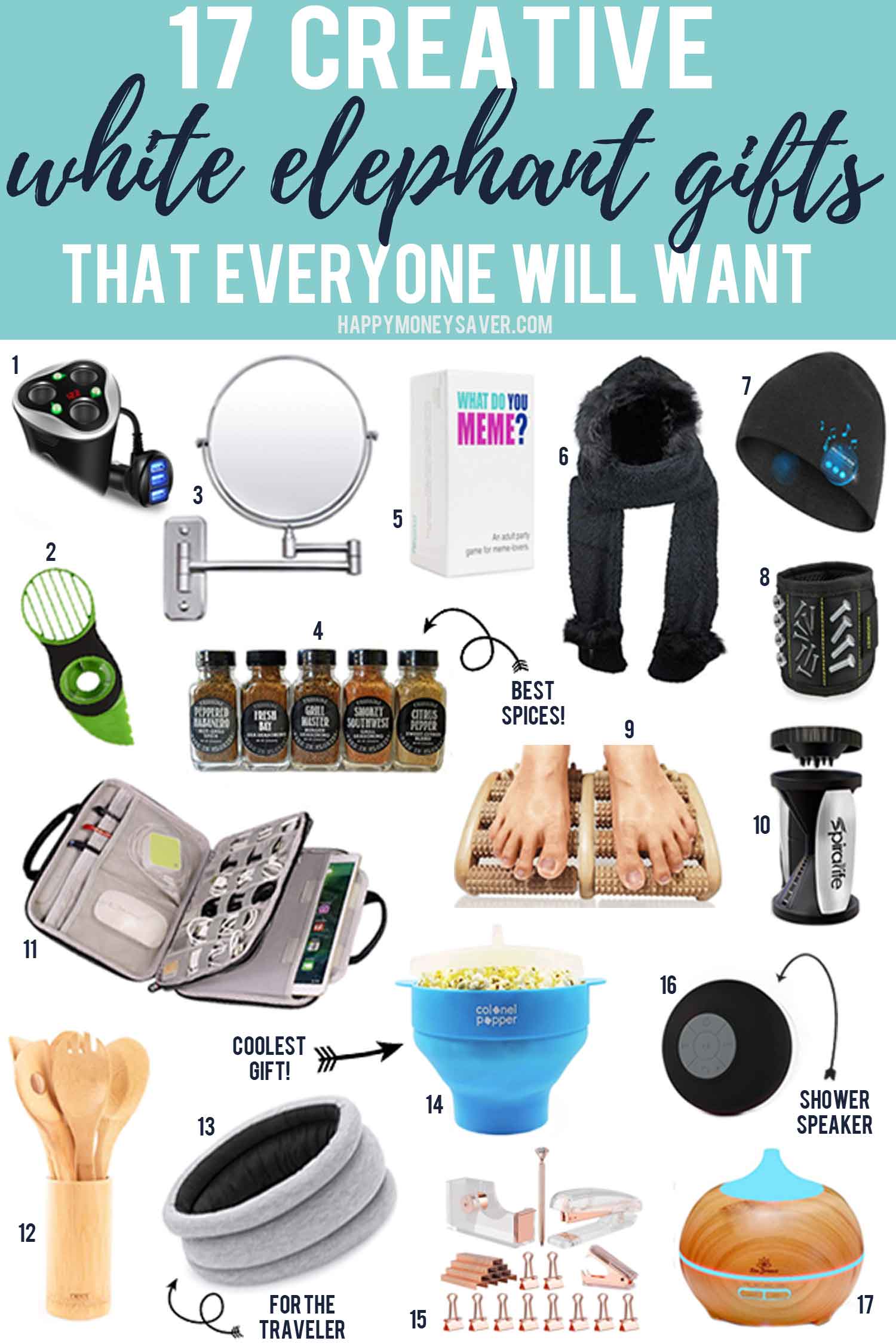
The Financial Psychology of the White Elephant Exchange
At its core, a White Elephant gift is an exercise in consumer surplus. You are looking for an item that carries a higher perceived value than its actual monetary cost. In personal finance terms, you are aiming for an arbitrage opportunity: buying at a low cost but providing high utility to the eventual owner.
When operating under a strict budget—typically $25 to $50—the greatest mistake participants make is purchasing “clutter” that has zero functional value. If you spend your entire $30 budget on a novelty item that serves no purpose, you have effectively burned that capital. Instead, approach your purchase like a small-scale investment. You want an item that solves a problem, enhances a routine, or provides a recurring benefit.
The Opportunity Cost of Novelty
Novelty items are the “penny stocks” of the gift world. They are highly volatile, frequently worthless after the initial reaction, and generally lack long-term liquidity. While a plastic trophy or a gag gift might get a laugh during the exchange, its financial utility drops to zero the moment the laughter dies down.
Instead, prioritize “Blue Chip” gifts. These are items that offer consistent performance and reliability. Think of high-quality consumables or durable goods that satisfy a universal human need. By shifting your strategy from “funny” to “functional,” you ensure that your gift is the one everyone fights over—the one that provides actual value to the recipient.
Strategies for High-Utility Procurement
To win the White Elephant game without exceeding your budget, you must utilize smart shopping techniques that favor quality over quantity. The key is to find “force multipliers”—products that cost $25 but feel like they cost $50 due to their brand reputation, build quality, or thoughtful design.
Leveraging Discount Arbitrage
The most effective way to provide a $50 experience on a $25 budget is to utilize the secondary market or seasonal clearance cycles. High-quality goods often go on sale during the holiday season. By tracking price history or shopping at retailers known for deep discounts on premium inventory, you can secure items that appear far more expensive than they are.
When shopping, look for “premium entry-level” products. These are the baseline models of luxury brands. A travel-sized version of a high-end grooming kit or a reputable kitchen tool from a premium manufacturer will always outperform a generic, full-sized version of a low-quality product. The brand association carries inherent value that justifies the smaller size.
The “Universal Utility” Filter
Before purchasing, run your potential gift through the Universal Utility Filter. Ask yourself three questions:
- Does this solve a common logistical problem?
- Is it a high-quality version of a daily essential?
- Does it have a shelf life that extends beyond the holiday season?
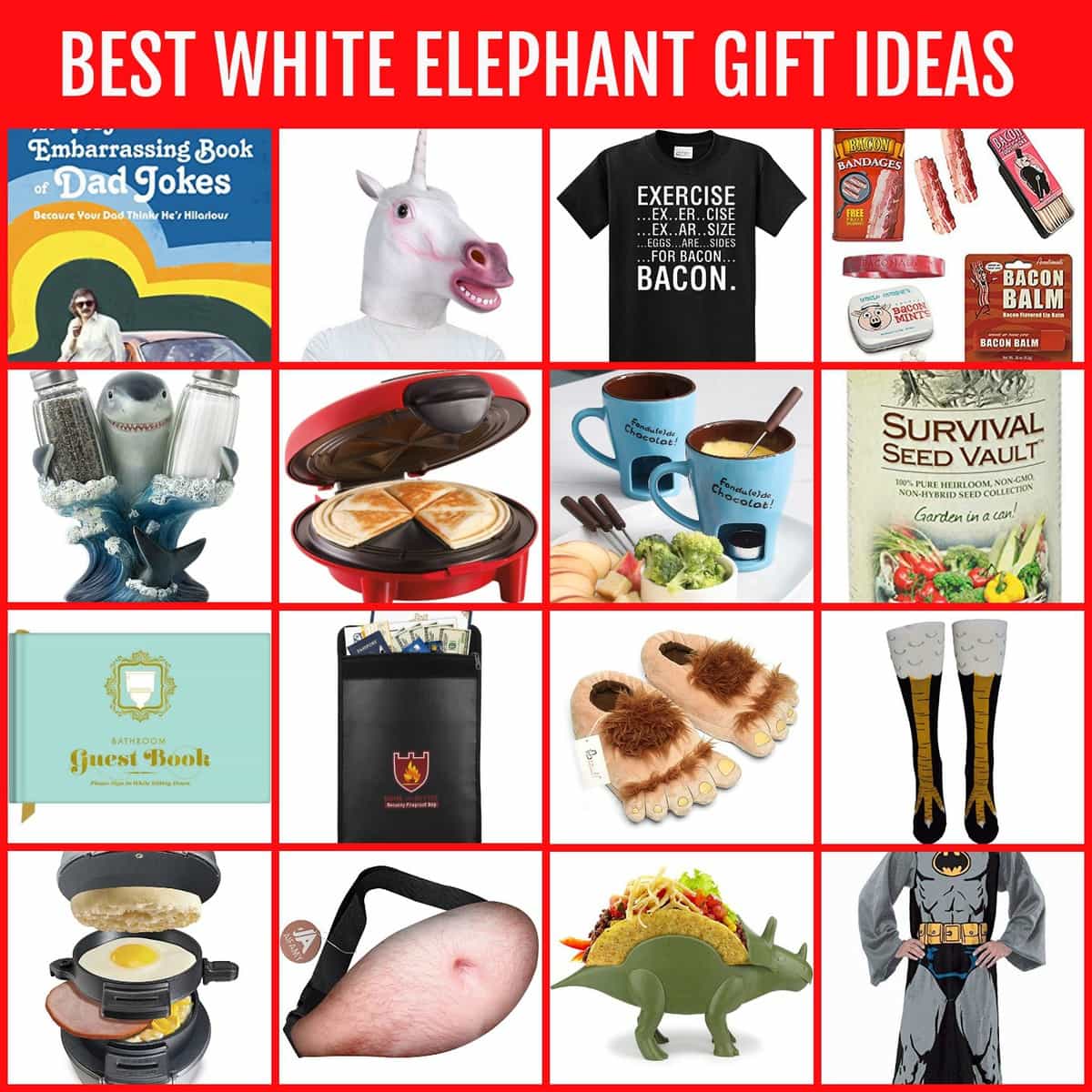
If the answer to all three is “yes,” you have a high-value asset. Examples include high-grade stainless steel travel tumblers, portable power banks from reputable manufacturers, or premium kitchen gadgets that streamline daily meal prep. These items integrate into the recipient’s life, serving as a reminder of the value you provided long after the exchange.
Maximizing Value: The Three Pillars of Gift ROI
When selecting your gift, focus on three specific categories that yield the highest return on investment: Consumables, Tools, and Lifestyle Enhancements.
1. Premium Consumables (The Liquid Assets)
High-end consumables are rarely considered “junk” because they are inherently transient. A bottle of high-quality olive oil, a set of artisanal coffee beans, or a curated snack box provides a tangible, immediate experience. Because they are consumable, they do not clutter the recipient’s home, which is a major factor in modern minimalism.
When selecting food or beverage gifts, choose items that the recipient would rarely buy for themselves due to price sensitivity. An everyday coffee drinker might not spend $25 on a bag of single-origin beans, making it a high-value gift for them, even if it fits perfectly within your budget.
2. High-Utility Tools (The Infrastructure)
Tools are the ultimate long-term investment. Whether it is a multi-tool, a high-quality kitchen zester, or a durable charging cable, these items provide utility that repeats every time they are used. The ROI on a $30 chef’s knife or a high-end multi-tool is massive because the cost per use drops to nearly zero over the span of a few years. When people swap gifts, they look for items that “work.” If your gift is a high-utility tool, it will be the most sought-after item in the room.
3. Lifestyle Enhancements (The Quality of Life Index)
Lifestyle enhancements improve the daily routine. This includes items like weighted eye masks, premium notebooks, or organizing systems. These gifts fall into the category of “self-improvement hardware.” They are items people value because they make life slightly easier or more comfortable. By choosing items that optimize someone’s daily workflow or evening wind-down routine, you are providing a service rather than just a physical object.
Avoiding the “Depreciating Asset” Trap
In any exchange, there will be gifts that are financial liabilities—items that cost money but provide negative value, such as clutter, breakables, or items with high maintenance costs. Avoid these at all costs.
The Clutter Penalty
If a gift requires the recipient to find space for it, store it, or clean it, it is a liability. Items like large decorative figurines, complex board games with dozens of pieces, or oversized apparel are often viewed as burdens. A White Elephant gift should be a net positive to the owner’s environment, not a logistical headache. Keep your gift compact, functional, and aesthetically neutral.
The Quality vs. Quantity Fallacy
There is a temptation to buy “bundles” of cheap items to make the box look bigger. This is a losing strategy. One high-quality, singular item will almost always outperform a basket filled with five low-quality trinkets. The “basket of cheap stuff” is immediately identifiable as a collection of liabilities. A single, well-packaged, high-quality item signals intent, discernment, and respect for the recipient’s space.
Finalizing Your Exchange Strategy
To excel in the White Elephant exchange, treat your budget as a precious resource. You are not just buying a “gift”; you are managing your reputation through the items you bring into the circle. By focusing on high-utility, high-quality, and low-maintenance items, you ensure that your gift is not only well-received but actively sought after during the theft phase of the game.
Ultimately, the best gift is one that the recipient would have purchased themselves if they had known how much value it would add to their life. If you can provide that level of insight—identifying a high-value, functional need and meeting it within the constraints of your budget—you have won the exchange. You have demonstrated fiscal responsibility, a keen eye for quality, and the strategic thinking necessary to turn a simple holiday tradition into an impressive display of value-driven decision-making.
aViewFromTheCave is a participant in the Amazon Services LLC Associates Program, an affiliate advertising program designed to provide a means for sites to earn advertising fees by advertising and linking to Amazon.com. Amazon, the Amazon logo, AmazonSupply, and the AmazonSupply logo are trademarks of Amazon.com, Inc. or its affiliates. As an Amazon Associate we earn affiliate commissions from qualifying purchases.