
Navigating the logistics of public assistance programs can often feel like a secondary job, particularly when you are managing the complexities of personal finance and household budgeting. The Special Supplemental Nutrition Program for Women, Infants, and Children—widely known as WIC—is a critical pillar of support for low-to-moderate-income families. However, understanding the operational nuances of these offices is not just about convenience; it is about maximizing the value of your benefits to ensure your household’s financial stability.
When we discuss WIC in the context of personal finance, we are looking at the intersection of government resource allocation and family budget management. Missing an appointment or failing to renew benefits due to scheduling conflicts can result in an immediate financial hit to your grocery budget. In this guide, we will explore why knowing office hours is a cornerstone of your financial planning and how to navigate these systems efficiently.
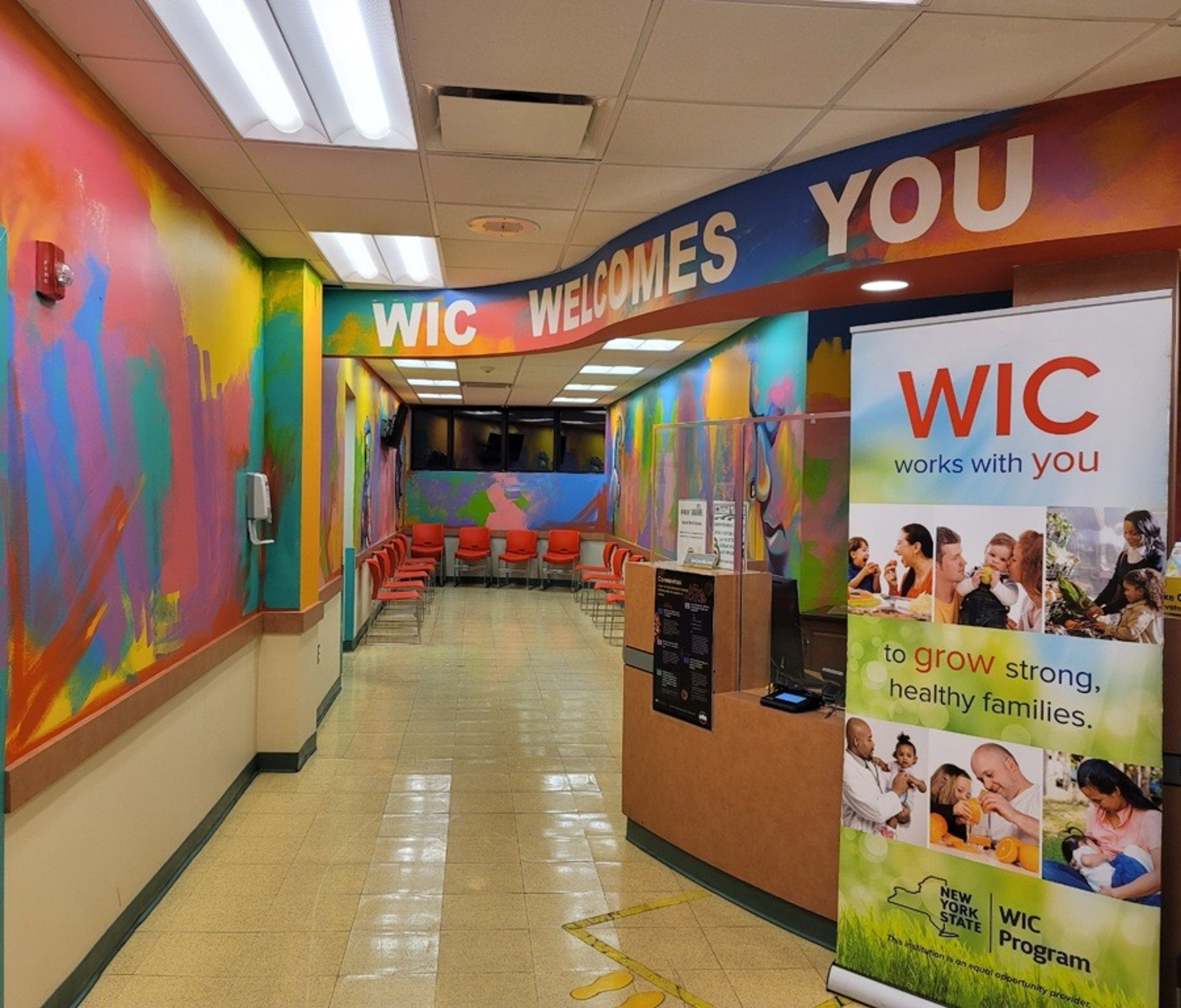
The Financial Importance of WIC Office Operations
From a personal finance perspective, WIC is essentially a direct subsidy for your most essential recurring expense: food. When you are a beneficiary of the program, the efficiency with which you interact with the WIC office directly impacts your disposable income. If you miss your window for recertification or fail to pick up your vouchers or eWIC card, you are effectively paying out-of-pocket for items that could have been covered by the state.
Budgeting for Bureaucracy
Many families treat government assistance as an automatic process, but it requires active maintenance. Every visit to a WIC clinic represents a “transaction” in your time and resource management. If an office closes at 4:00 PM and you arrive at 4:15 PM, you have incurred a “loss” of transportation costs and potential benefit continuity. Understanding that most WIC offices operate on standard government schedules—typically Monday through Friday, 8:00 AM to 5:00 PM—allows you to bake these visits into your monthly financial calendar.
Avoiding the Cost of Benefit Gaps
A gap in WIC benefits forces a redistribution of your monthly budget. If your benefits lapse, you must reallocate funds meant for utility bills, rent, or emergency savings to cover the cost of formula, milk, cereal, or fresh produce. By treating your WIC appointment as a non-negotiable financial meeting, you protect the integrity of your overall household budget. Always verify the specific hours for your county office, as regional variations are common.
How to Find Your Local Office Hours and Avoid Wasted Trips
In the digital age, there is no excuse for showing up to a closed door. Leveraging online tools and proper communication strategies is the first step in effective time management. If you are struggling to find the closing time for your specific local office, follow these proactive steps to ensure you remain in good standing with the program.
Utilizing the USDA WIC Office Directory
The United States Department of Agriculture provides a centralized lookup tool for WIC clinics across the country. By inputting your zip code, you can find the nearest satellite office or central clinic. Crucially, these listings almost always include contact information. Before you travel, a quick phone call is the most reliable way to confirm closing times, especially if there are holidays or local events that might lead to early closures.
The Power of Localized Online Portals
Many state-run WIC portals now offer real-time updates. If your state has transitioned to a digital dashboard for participants, check that site first. These portals often list “Extended Hours” or “Walk-in Days,” which are invaluable for working parents. Aligning your clinic visit with your personal work schedule is a key strategy in maintaining your employment income while securing your benefits.

Understanding Seasonal and Holiday Adjustments
Government offices follow federal and state holiday schedules. If you are planning a visit around a holiday week, you should expect closures. From a financial planning standpoint, ensure your pantry is sufficiently stocked before these periods. Failing to account for holiday office closures is a frequent cause of “benefit stress,” where families find themselves short on supplies simply because they did not account for the office’s holiday schedule.
Maximizing the Efficiency of Your Visits
Once you have identified the office hours, the next step is optimizing your time spent there. Financial well-being is heavily tied to the “cost of your time.” Spending three hours in a waiting room because you arrived at a peak time is an inefficient use of resources.
Scheduling Appointments Strategically
Most clinics allow you to book appointments. If you have the flexibility, try to schedule your visits for mid-week, mid-morning. Mondays and Fridays are historically the busiest days at public assistance offices. By avoiding the rush, you reduce the likelihood of waiting until after hours, which saves you both time and the risk of being turned away if the office reaches capacity before its official closing time.
Documentation as a Time-Saver
The most common reason for a failed WIC visit—which forces a return trip and additional travel costs—is incomplete documentation. Create a physical or digital folder containing your income verification, proof of address, and identification. When you are fully prepared, you move through the appointment faster, ensuring that you are done well before the office closes. Treat your WIC file with the same level of organization you would use for tax documents or investment statements.
Transitioning to Digital and Remote WIC Services
The landscape of public assistance is changing. Many states are shifting toward remote appointments and digital document submission. For the financially savvy, this is a major development in reducing the “transaction costs” of staying enrolled in WIC.
The Rise of Telehealth for WIC
Post-pandemic, many WIC agencies have adopted phone or video appointments for recertification. If your local office offers this, prioritize it. By conducting your appointment from home or your workplace, you eliminate the need for travel, childcare, or time off from your job. This is the ultimate efficiency hack for your household finances.
Monitoring Your eWIC Balance
Managing your benefits is part of your broader personal finance strategy. Most states now utilize the eWIC card, which functions similarly to a debit card. Use the associated mobile app to monitor your balance in real-time. By knowing exactly what you have left, you can plan your shopping trips effectively and avoid unnecessary visits to the WIC clinic to “check” on your status. If you are organized, you will find that you rarely need to visit the office once your enrollment is established.

Future-Proofing Your Participation
As your income changes, your status in the program may change. Regularly reviewing your financial standing is essential. If you receive a raise or your employment situation changes, keep your WIC office updated. Proactive communication prevents overpayment issues, which can result in complex financial reconciliations later. By staying ahead of your administrative requirements, you maintain the stability of your food budget without the looming threat of sudden eligibility audits or program removals.
The WIC program is an essential component of a stable financial foundation for young families. By treating the office, its hours, and your documentation with the same professional rigor you would apply to your personal savings or retirement accounts, you ensure that this resource serves its intended purpose: providing nutritional support without adding stress to your household budget. Knowledge is the most effective tool in your financial arsenal, and knowing exactly when your WIC office closes is the first step toward masterfully managing your family’s economic health.
aViewFromTheCave is a participant in the Amazon Services LLC Associates Program, an affiliate advertising program designed to provide a means for sites to earn advertising fees by advertising and linking to Amazon.com. Amazon, the Amazon logo, AmazonSupply, and the AmazonSupply logo are trademarks of Amazon.com, Inc. or its affiliates. As an Amazon Associate we earn affiliate commissions from qualifying purchases.