
The question “What comes after Earth?” is a profound one, resonating through the ages of human curiosity. For millennia, it has conjured images of celestial journeys, spiritual awakenings, and the eventual heat death of the universe. Today, however, in the age of rapid technological advancement, the answer is taking on a distinctly tangible, and perhaps even commercial, dimension. As humanity stares at the finite resources of our home planet and grapples with existential threats, the concept of “after Earth” is no longer solely the domain of science fiction or philosophy. It’s becoming a rapidly evolving frontier, driven by innovation in technology, strategic brand positioning, and the pursuit of new economic opportunities.
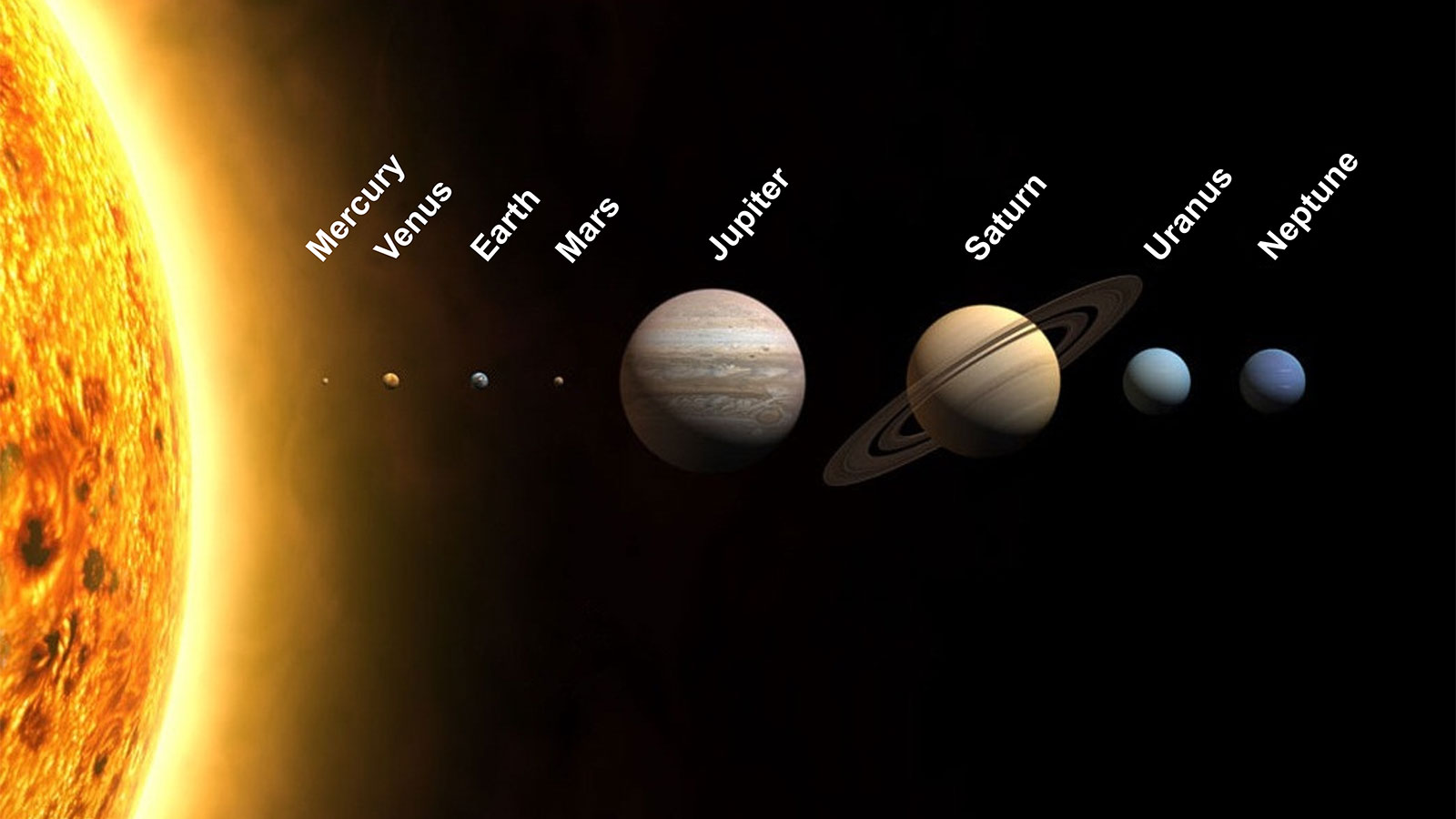
From the relentless march of artificial intelligence to the burgeoning space economy, the seeds of what comes after Earth are being sown today. This isn’t just about escaping our planetary cradle; it’s about expanding humanity’s reach, diversifying our existence, and ultimately, securing our long-term survival. The journey is complex, multifaceted, and deeply intertwined with the very fabric of modern enterprise, from the cutting-edge software shaping our interactions to the brands that will define our future off-world identities, and the financial frameworks that will underpin this monumental undertaking.
The Technological Blueprints for a Post-Earth Existence
The very notion of “after Earth” necessitates a radical reimagining of our technological capabilities. We are not simply looking for a new planet; we are developing the infrastructure, the tools, and the knowledge to thrive beyond our familiar atmosphere. This technological revolution spans an astonishing array of fields, each contributing vital pieces to the puzzle of humanity’s future beyond Earth.
From Silicon to Space: The AI and Software Backbone
At the heart of any advanced civilization, whether on Earth or elsewhere, lies sophisticated software and powerful artificial intelligence. The AI tools we are developing today are not just for optimizing our daily lives; they are being honed to manage complex environmental systems, pilot autonomous spacecraft, and even to assist in the creation of entirely new habitats.
AI in Exploration and Colonization: Imagine AI systems capable of analyzing vast datasets from exoplanet surveys, identifying the most promising candidates for life or settlement based on atmospheric composition, geological stability, and resource availability. These same AI algorithms can then be tasked with optimizing the design of spacecraft, simulating mission trajectories with unparalleled accuracy, and even managing the intricate processes of terraforming or closed-loop life support systems on alien worlds. Tutorials and open-source AI projects are democratizing access to these powerful tools, fostering a global community of innovators working on the very foundations of off-world living.
Software for Off-World Operations: The software required for sustaining a presence beyond Earth will be orders of magnitude more complex than anything we currently utilize. Think of distributed operating systems that can manage entire lunar or Martian colonies, ensuring seamless communication, resource allocation, and environmental control. Digital security will be paramount, with robust cybersecurity protocols designed to protect critical infrastructure from both environmental hazards and potential external threats. Productivity apps will need to be reimagined for environments with limited bandwidth and unique operational challenges. Gadgets, too, will evolve beyond our current understanding, becoming essential tools for survival, exploration, and the creation of new societies.
The Material Sciences and Engineering Frontiers
Beyond the digital realm, the physical realities of space exploration and habitation demand groundbreaking advancements in material science and engineering. We need to build not just rockets, but entire ecosystems.
Advanced Materials for Spacecraft and Habitats: The harsh vacuum, extreme temperatures, and radiation of space necessitate materials that are lightweight yet incredibly strong, resistant to corrosion and degradation, and capable of self-repair. Researchers are actively developing novel composites, advanced alloys, and even bio-engineered materials that could form the building blocks of future space settlements. Think of self-healing concrete for Martian bases or advanced shielding materials derived from deep-sea organisms.
Sustainable Life Support and Resource Utilization: The dream of “what comes after Earth” is inherently linked to the ability to live sustainably off-world. This means developing closed-loop life support systems that recycle air, water, and waste with near-perfect efficiency. In-situ resource utilization (ISRU) is a critical area of research, focusing on how to extract and process raw materials like water ice, minerals, and atmospheric gases from celestial bodies to reduce reliance on costly Earth-based resupply missions. 3D printing, powered by AI-driven designs, will be crucial for manufacturing tools, spare parts, and even entire structures on-site, minimizing the mass that needs to be launched from Earth.
Branding the Future: Establishing Identities Beyond Our Home Planet
As humanity ventures into the cosmos, the concept of “brand” will extend far beyond terrestrial marketplaces. The companies, organizations, and even the nascent societies that establish a presence beyond Earth will need to cultivate unique identities, forging reputations and building trust in entirely new contexts.
Crafting Corporate Identity in the Void
The space industry is already witnessing the emergence of powerful brands, from established aerospace giants to agile startups. The principles of brand strategy, corporate identity, and marketing are being applied with a cosmic scope.

The New Space Race and Brand Differentiation: Companies like SpaceX, Blue Origin, and others are not just selling rockets; they are selling a vision of humanity’s future. Their branding is built on innovation, ambition, and the promise of making space accessible. This requires meticulous attention to design, storytelling, and the creation of a compelling narrative that resonates with investors, governments, and the public alike. The “corporate identity” of these entities is intrinsically linked to their technological prowess and their perceived ability to achieve the seemingly impossible.
Personal Branding for the Astronaut of Tomorrow: As space tourism and off-world employment become more common, the concept of personal branding will evolve. Astronauts and space pioneers will become influential figures, their reputations carefully curated to inspire trust and admiration. Think of the carefully crafted public personas of early explorers, now amplified by digital media and the global reach of the internet. Their skills, their resilience, and their ability to represent humanity in alien environments will be key components of their personal brands.
Case Studies in Cosmic Marketing and Reputation Management
The challenges of marketing and reputation management in space are unique. How do you build trust when your customer base is literally scattered across the solar system?
Marketing Space Services and Products: From asteroid mining ventures to orbital manufacturing facilities, the products and services of the future will be born in space. Marketing these will require innovative approaches, leveraging virtual reality for immersive product demonstrations, and building strong online communities around shared off-world aspirations. Reputation management will be crucial, as any perceived failure or safety lapse in the unforgiving environment of space can have catastrophic consequences. Case studies of successful missions and the lessons learned from failures will form the bedrock of public perception.
The Ethics and Reputation of Off-World Brands: As we establish a presence beyond Earth, the ethical considerations surrounding resource extraction, planetary protection, and the potential for extraterrestrial contact will become paramount. Brands that operate in this space will need to demonstrate a commitment to responsible practices, earning them a positive reputation not just among consumers, but among future generations of spacefaring beings. The design of logos, mission patches, and even the aesthetics of space habitats will contribute to this evolving brand landscape.
The Financial Underpinnings: Investing in the Next Frontier
The ambitious undertaking of expanding humanity’s presence beyond Earth is not a purely altruistic endeavor. It represents an unprecedented economic opportunity, demanding innovative financial models and significant investment. The financial sector is playing a crucial role in translating technological breakthroughs and strategic branding into tangible progress.
Personal Finance and Investing in the Space Economy
The concept of “what comes after Earth” is increasingly becoming a focus for individual investors and financial planners. The burgeoning space economy offers a new and potentially lucrative asset class.
Investing in Space Startups and Funds: Venture capital is pouring into the space sector, funding everything from satellite constellations to lunar landers. Personal finance strategies are now including investments in publicly traded space companies, exchange-traded funds (ETFs) focused on the aerospace industry, and even direct investments in promising space startups. Understanding the risks and rewards associated with these nascent industries is crucial for savvy investors.
Online Income and Side Hustles for the Space-Curious: While direct space employment may be limited for now, the ripple effects of the space economy are creating new online income opportunities. This could include developing specialized software for space applications, providing consulting services for aspiring space ventures, or even creating educational content about space exploration. The gig economy is likely to expand to encompass specialized skills needed for the space industry, offering side hustles that contribute to the broader mission.

Business Finance and the Economics of Off-World Expansion
For larger corporations and ambitious entrepreneurs, the financial considerations are on a grander scale, shaping the very feasibility of lunar bases, Martian colonies, and asteroid mining operations.
Financing Mega-Projects: The cost of establishing a sustainable presence beyond Earth is astronomical, requiring massive capital investment. This necessitates innovative business finance models, including public-private partnerships, sovereign wealth funds, and the creation of entirely new financial instruments tailored to the long-term, high-risk, high-reward nature of space ventures. The development of financial tools for managing complex international collaborations and for tracking assets in extraterrestrial locations will be critical.
The Emerging Market of Space Resources: The potential for resource extraction from asteroids, the Moon, and other planets opens up entirely new economic frontiers. Business finance will be focused on developing the infrastructure and technologies for mining, processing, and transporting these extraterrestrial resources. The value proposition will shift from the scarcity of Earth-bound resources to the abundance of celestial materials, fundamentally altering global economic paradigms.
Building a Sustainable Future Beyond Earth:
The question “What comes after Earth?” is no longer a distant, abstract contemplation. It is a present-day imperative, driven by a convergence of technological innovation, strategic brand building, and a recalibration of our financial priorities. From the AI tools that map distant worlds to the corporate identities that will define our presence among the stars, and the financial investments that fuel this cosmic expansion, we are actively engineering our next chapter. This journey is fraught with challenges, but it is also brimming with the promise of a multi-planetary future, a testament to humanity’s enduring spirit of exploration and its relentless pursuit of what lies beyond the familiar. The future of Earth, and indeed humanity, may well be written not just on this planet, but across the vast, uncharted territories of the cosmos.
aViewFromTheCave is a participant in the Amazon Services LLC Associates Program, an affiliate advertising program designed to provide a means for sites to earn advertising fees by advertising and linking to Amazon.com. Amazon, the Amazon logo, AmazonSupply, and the AmazonSupply logo are trademarks of Amazon.com, Inc. or its affiliates. As an Amazon Associate we earn affiliate commissions from qualifying purchases.