
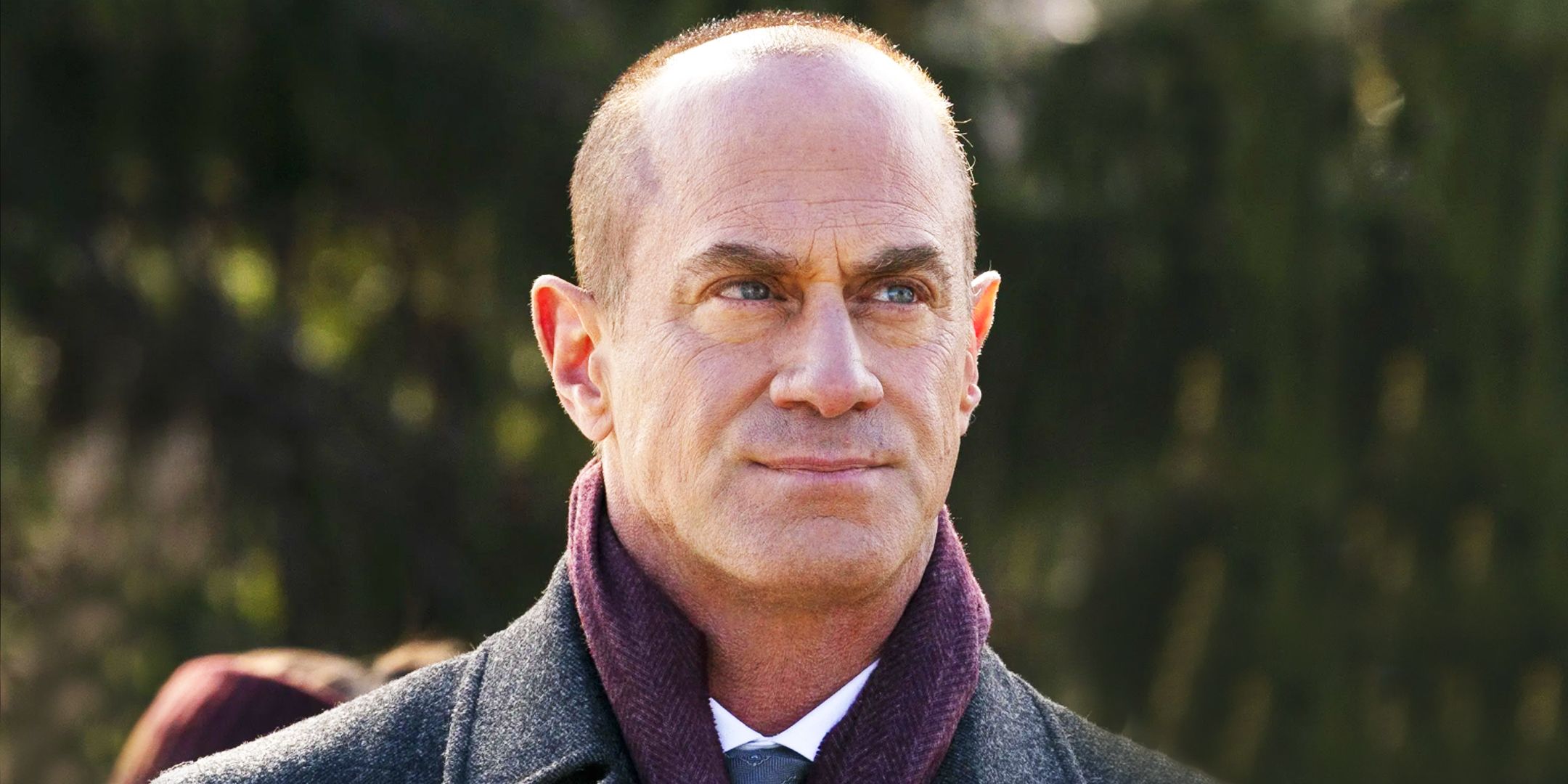
The return of a legacy character like Elliot Stabler to the Law & Order universe is not merely a television event; it is a profound study in brand equity, strategic audience retention, and the delicate art of modern franchise management. When a character leaves a franchise, the “brand” associated with that character risks dilution. When they return, the challenge shifts to bridging the gap between legacy nostalgia and contemporary audience expectations. Understanding the mechanics behind Stabler’s return requires looking past the narrative and into the boardroom, where long-term intellectual property value is the primary driver of creative decisions.

The Economics of Brand Equity and Legacy Characters
The return of Elliot Stabler to the screen after a decade-long hiatus highlights the intrinsic value of legacy brand equity. In the world of intellectual property, a character is an asset. When an asset is removed from the market, it creates a vacuum of anticipation that, if managed correctly, accrues compound interest in the form of fan loyalty and cultural relevance.
Sustaining Value Through Strategic Absence
The decision to bring Stabler back was not an impulsive creative choice; it was a calibrated move to rejuvenate a flagship franchise. By keeping the character in a state of “suspended animation,” the brand owners maintained the integrity of the character’s legacy while preventing brand fatigue. When the announcement of his return finally arrived, it triggered a massive surge in earned media, effectively lowering the cost of customer—or in this case, viewer—acquisition.
Rebranding the Legacy Identity
Stabler’s return served as a bridge between the procedural roots of Special Victims Unit and the more serialized, gritty aesthetic of the modern television landscape. This is a classic example of brand revitalization. The brand strategy was to honor the existing identity—the “detective with a short fuse”—while evolving it to fit the 21st-century streaming era. This ensures that the personal brand of the character remains relevant to new audiences who might not have been present during the show’s original run, while simultaneously rewarding the “superfans” who have remained loyal to the brand for decades.
The Architecture of the Franchise Expansion
The strategy behind reintroducing Stabler was predicated on a multi-platform approach designed to maximize the reach of the NBCUniversal ecosystem. Rather than simply bringing a character back to an existing show, the brand strategy involved creating a dedicated platform—Law & Order: Organized Crime—that allowed for a more focused, distinct narrative identity.
Segmentation and Target Audience Alignment
By creating a separate spin-off, the brand managers were able to bifurcate their audience base effectively. SVU continues to cater to the established, procedural-focused viewership, while Organized Crime appeals to audiences who prefer narrative depth, darker themes, and continuous story arcs. This is a textbook example of market segmentation. It allows the brand to avoid alienating the core demographic while capturing a new segment that demands high-end, cinematic-quality television.
Synergy and the “Crossover” Marketing Tactic
The integration of Stabler into the ongoing SVU narrative through periodic crossovers serves as a sophisticated marketing funnel. These events act as “synergy touchpoints,” driving traffic from one product to another. The brand strategy here is to create a seamless customer journey where the user is incentivized to engage with multiple touchpoints within the brand family, thereby increasing the total “time spent” metric—the primary currency of the streaming and cable economy.
Managing Public Perception and Sentiment Analysis
A critical component of any successful brand strategy is the management of public sentiment. The return of a high-profile legacy character carries significant risk. If the execution fails to meet the weight of expectations, it can cause irreparable harm to the brand’s image.
Navigating the Expectations Gap
Fans possess a proprietary sense of ownership over legacy characters. When reintroducing Stabler, the brand strategy had to navigate the fine line between innovation and tradition. If the character had changed too much, the brand would be accused of “selling out” or ruining a classic; if the character had remained stagnant, the brand would be accused of lacking creativity. The solution was a nuanced evolution: Stabler returned as a more weathered, complex figure, acknowledging his past mistakes while positioning him within a modern professional framework.
Leveraging Social Proof and Fan Engagement
The digital footprint of the franchise relies heavily on the emotional investment of the audience. The brand team utilized social media as a feedback loop, turning the “will he or won’t he” speculation into a sustained marketing campaign. This created a groundswell of organic engagement that traditional advertising simply cannot replicate. By inviting the audience into the process, the brand effectively turned the viewers into brand ambassadors, ensuring that the return of the character was a shared cultural moment rather than a top-down corporate dictate.
Future-Proofing the Franchise: Lessons for Personal Branding
The story of Stabler’s return offers invaluable lessons for professionals focusing on personal branding and long-term career management. Whether one is managing a corporate entity or their own public persona, the principles remain the same: relevance, consistency, and strategic evolution.
The Power of Narrative Consistency
Even when a brand evolves, it must maintain a “North Star”—the core values that define it. Stabler’s return was successful because, despite his change in station and environment, his core motivations remained recognizable. For personal brands, this means ensuring that even as your career pivots, your underlying principles and unique value proposition remain clear to your audience.
Strategic Timing and Market Entry
The “when” is often as important as the “what.” Stabler’s return was timed to align with a broader shift in television content, where character-driven dramas were seeing a resurgence. When building your own brand or business, looking for the intersection of your strengths and current market demand is essential. Entering the market when the audience is primed for your specific “brand of expertise” significantly increases the likelihood of a successful launch or relaunch.

Building Ecosystems, Not Just Products
Finally, the franchise model suggests that longevity is found in ecosystems. By expanding the Law & Order universe, the producers ensured that the brand could survive the departure or return of any single individual. For entrepreneurs and professionals, this translates to building a portfolio of skills, relationships, and intellectual property that exists independently of a single project.
Ultimately, the question of “what season does Stabler come back” is a reflection of the audience’s deep-seated need for continuity in an era of rapid change. From a strategic perspective, it remains one of the most effective examples of how to leverage legacy assets to secure a dominant market position. By honoring the past while investing in a modernized narrative, the franchise has successfully extended its lifespan, proving that with the right brand strategy, even a decade-old character can find a new, vibrant life in the modern market. The success of this move is not just a triumph of television; it is a blueprint for any entity looking to navigate the complexities of long-term brand sustainment.
aViewFromTheCave is a participant in the Amazon Services LLC Associates Program, an affiliate advertising program designed to provide a means for sites to earn advertising fees by advertising and linking to Amazon.com. Amazon, the Amazon logo, AmazonSupply, and the AmazonSupply logo are trademarks of Amazon.com, Inc. or its affiliates. As an Amazon Associate we earn affiliate commissions from qualifying purchases.