
When assessing the socioeconomic landscape of the United States, Nevada often presents a paradoxical case for investors, business owners, and those managing household wealth. While the state is celebrated for its favorable tax environment and booming tourism sector, its educational standing frequently draws scrutiny from analysts and policymakers alike. Understanding Nevada’s rank in education is not merely an academic exercise; for the financially savvy, it is a critical component of risk assessment, regional economic forecasting, and long-term personal financial planning.
The Economic Impact of Educational Rankings
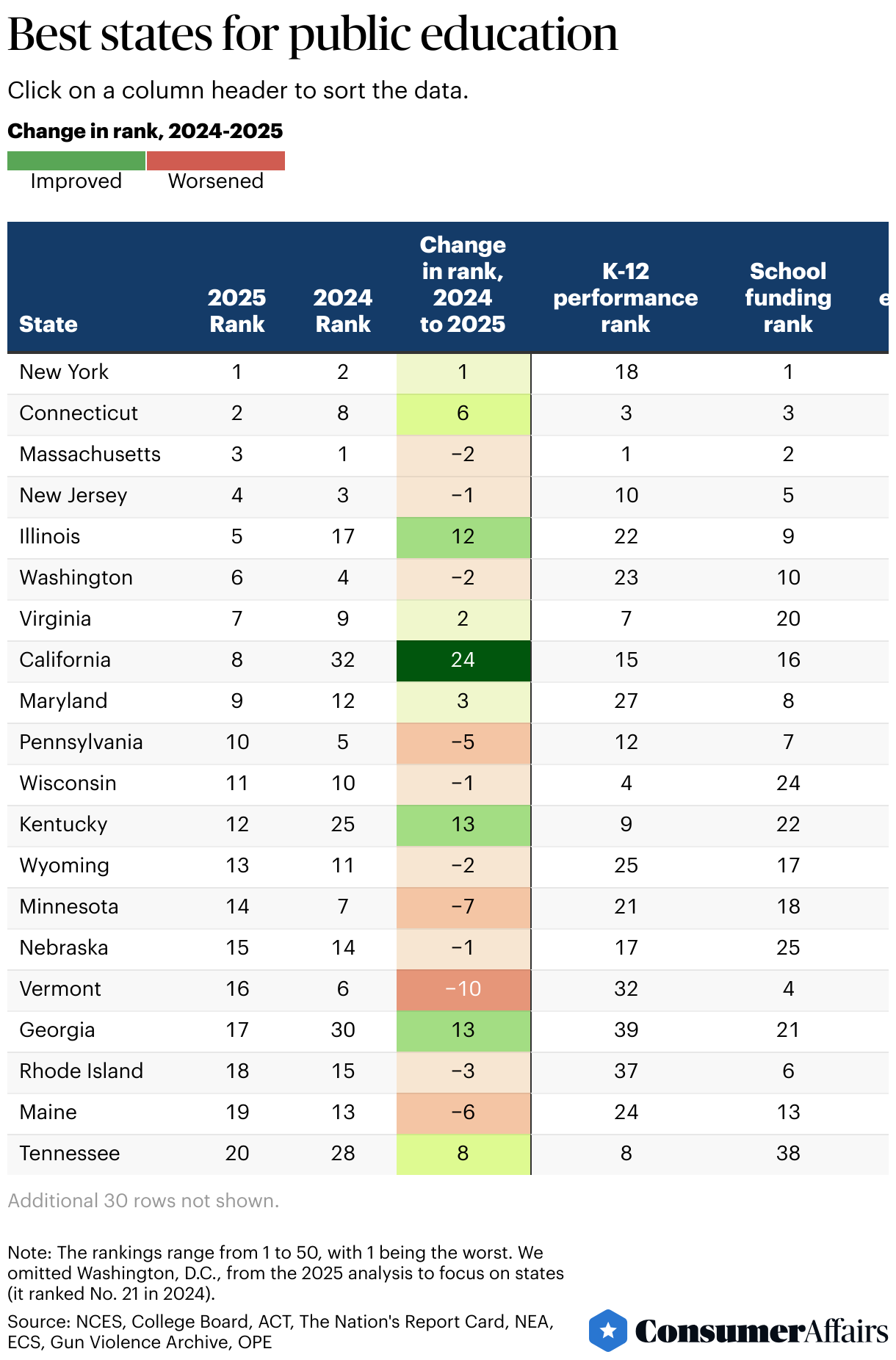
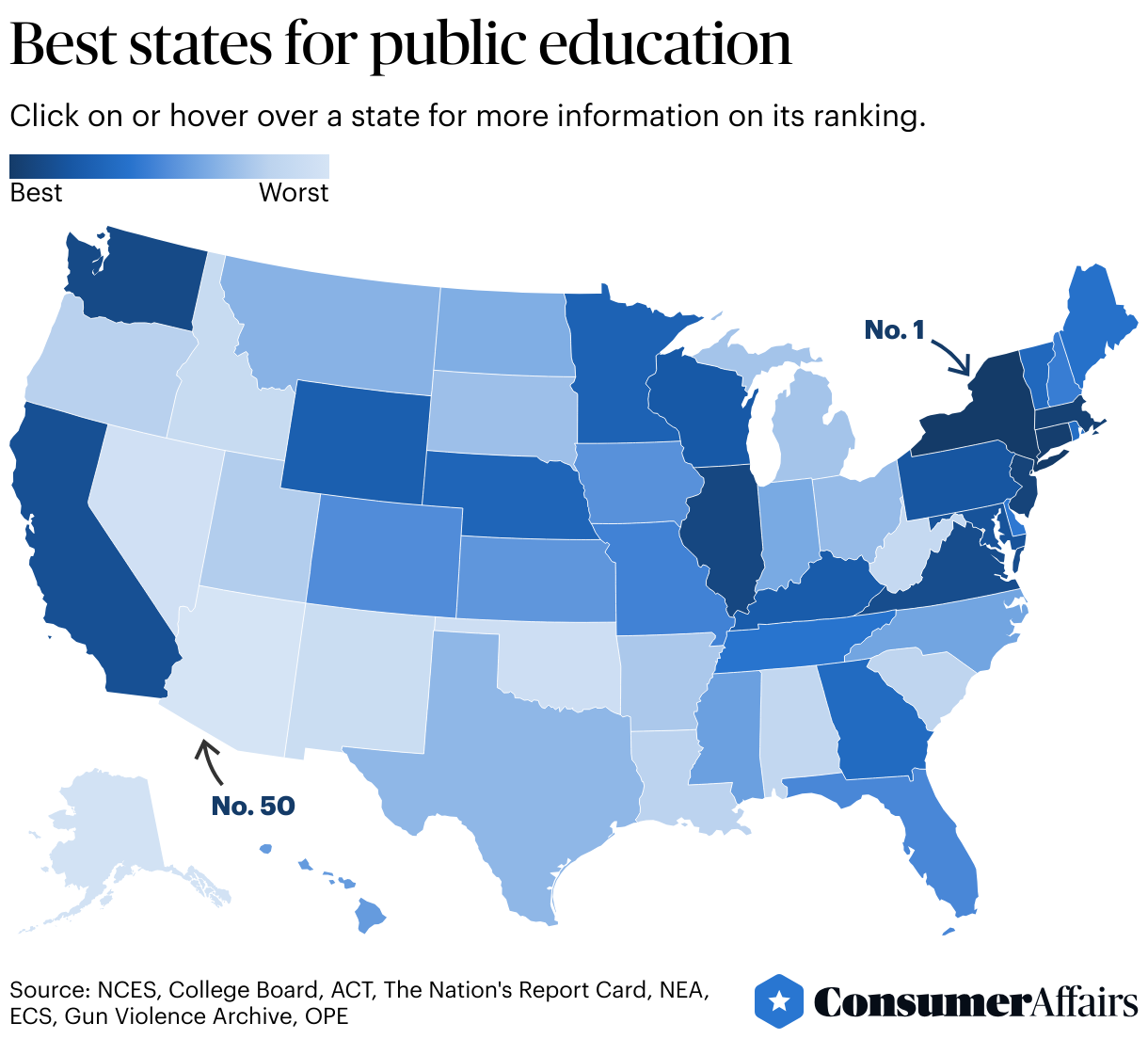
Educational quality is a primary driver of a state’s human capital development. When a state consistently ranks near the bottom of national educational indices—often appearing in the bottom five according to publications like U.S. News & World Report—the downstream economic consequences are profound.

Talent Acquisition and Corporate ROI
For businesses looking to relocate or expand, the local labor pool is the most significant variable in the cost-benefit analysis. A lower educational ranking implies a potential deficit in specialized skill sets, requiring companies to either invest more heavily in internal training programs or import talent from out-of-state. This necessity increases operational overhead, effectively creating a “hidden tax” on business operations that might otherwise benefit from Nevada’s lack of corporate income tax.
Real Estate and School District Correlation
From a personal finance perspective, the quality of local schools is intrinsically linked to property values. In high-performing educational regions, the “school premium” on real estate ensures steady appreciation and higher resale liquidity. In Nevada, where educational rankings remain depressed, homeowners and real estate investors must factor in the potential for slower home value appreciation compared to states with top-tier education systems. Understanding this correlation is essential for those balancing a portfolio between residential real estate and other liquid assets.
The Cost of Underperformance: A Financial Perspective
The financial metrics of Nevada’s educational system reveal a complex challenge. Funding per pupil is frequently debated, yet the correlation between raw spending and academic outcomes is rarely linear. As investors and taxpayers, it is important to distinguish between “budgetary input” and “operational efficiency.”
Resource Allocation and Student Outcomes
Nevada’s education budget is often constrained by a reliance on tourism-based tax revenue, which is inherently cyclical. During economic downturns, the volatility of the state’s primary revenue stream places disproportionate stress on educational funding. For the savvy financial planner, this highlights the importance of state-level economic diversification. A state budget overly reliant on a single industry is prone to “boom and bust” cycles that inevitably impact the quality of public services, including schooling.
The Rise of Alternative Education and Private Sector Solutions
Given the challenges within the public school system, there has been a notable shift toward private education and supplemental tutoring services. This has created a robust secondary market for educational technology (EdTech) and private schooling solutions within the state. For those with children, budgeting for “educational insurance”—the out-of-pocket cost of private schooling or specialized academic tutoring—has become a mandatory line item in the annual household budget for those who can afford it. This bifurcation of the educational market is a common trend in states with lower-ranked public systems, creating a tiered reality where financial capacity dictates access to quality instruction.
Assessing the Investment Climate in Education-Lagging States
If Nevada’s education system is consistently ranked low, does that make it a poor place to invest? Not necessarily. The financial reality is far more nuanced. A lower ranking in education often translates to lower public expenditures in specific sectors, which can contribute to the state’s overall business-friendly tax environment.
Balancing Tax Benefits with Service Quality
Investors must weigh the “Nevada Advantage”—no state income tax, low property taxes, and a business-friendly regulatory framework—against the systemic weaknesses of the state, such as educational outcomes. The lack of state income tax allows individuals to retain a larger percentage of their earnings, which provides more capital to be reinvested in private education or specialized skill development. In many cases, the disposable income retained through tax savings outweighs the cost of needing to supplement a child’s education privately. This “self-insurance” model is a hallmark of the Nevada financial lifestyle.
Regional Growth and the “New Economy” Pivot
Nevada is actively working to pivot from a service-heavy economy to a more diverse landscape involving technology, logistics, and renewable energy. This economic shift requires a high-quality labor force. As the state attracts major tech players, there is an inevitable pressure to improve educational metrics to match the demands of these new industries. Investors should monitor this transition closely; as the state’s workforce requirements evolve, public and private sector investment in education is likely to increase, potentially leading to long-term appreciation in the state’s overall socioeconomic stability.
Strategic Financial Planning in a Changing Educational Environment
For families and business owners in Nevada, the educational ranking is a data point that dictates strategy. Whether you are planning for retirement, saving for college, or evaluating the long-term viability of a business location, the state’s educational standing is a factor that cannot be ignored.
Building an Educational Contingency Fund
Regardless of the current rank of Nevada’s schools, effective financial planning requires preparation. A dedicated education fund should be viewed not just as a savings vehicle, but as a hedge against the potential need for private alternatives. Utilizing 529 plans or other tax-advantaged accounts allows residents to grow funds for educational expenses in a tax-efficient manner, mitigating the impact of potential out-of-pocket costs for private schooling or higher education.
The Role of Corporate Sponsorship and Philanthropy
Businesses operating in Nevada are increasingly taking an active role in bridging the gap. By participating in community-based educational initiatives or creating workforce development programs, companies are not just performing acts of philanthropy; they are performing a strategic function. By upskilling the local workforce, they reduce recruitment costs and improve the longevity of their local operations. For the modern investor, looking for companies that engage in this type of local capacity building is a strong indicator of long-term operational sustainability.
Final Considerations for the Savvy Resident
Nevada’s rank in education serves as a reminder that the cost of living and the cost of quality are not always synonymous. While the state offers significant financial advantages in terms of tax efficiency and business overhead, it requires its residents to be more proactive in managing their own human capital development. By acknowledging these systemic challenges, individuals and business owners can adjust their financial strategies to capitalize on the state’s strengths while protecting themselves against its weaknesses. Success in Nevada requires a hands-on approach to personal and corporate finance—one that recognizes the state’s limitations and compensates for them with strategic, deliberate planning. As the state continues its economic evolution, those who adapt to this reality will find themselves better positioned to thrive in the Silver State.
aViewFromTheCave is a participant in the Amazon Services LLC Associates Program, an affiliate advertising program designed to provide a means for sites to earn advertising fees by advertising and linking to Amazon.com. Amazon, the Amazon logo, AmazonSupply, and the AmazonSupply logo are trademarks of Amazon.com, Inc. or its affiliates. As an Amazon Associate we earn affiliate commissions from qualifying purchases.