
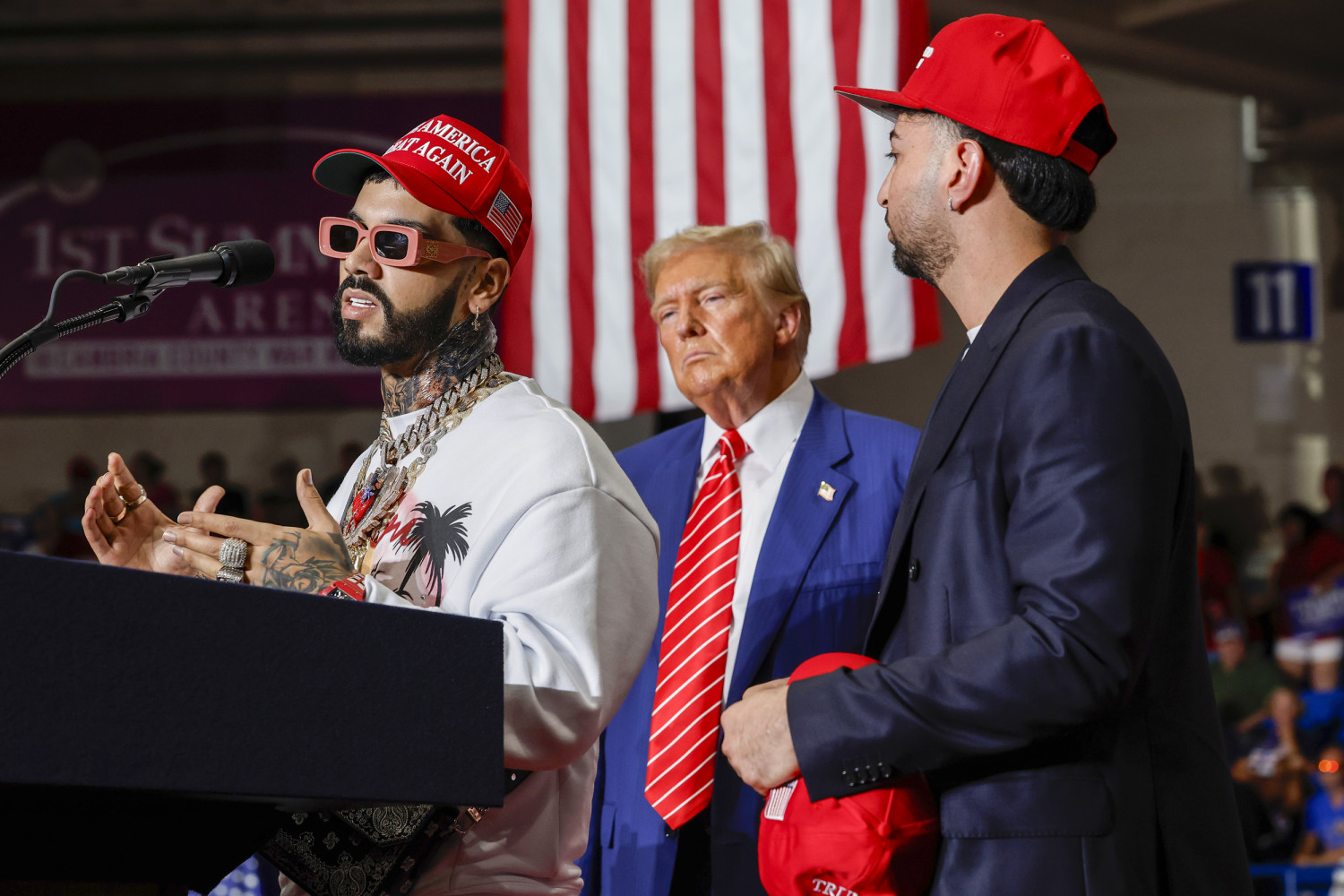
In the modern landscape of celebrity culture, personal branding has evolved from simple public image management into a complex, high-stakes exercise in strategic positioning. When a prominent musician aligns themselves with a polarizing political figure like Donald Trump, they are not merely expressing a personal preference; they are making a high-risk brand decision that can redefine their career trajectory, audience demographics, and marketability. Understanding why some artists choose to openly support Trump—and the subsequent impact on their brand identity—requires a deep dive into the mechanics of brand alignment and niche marketing.

The Strategic Calculus of Brand Alignment
At the core of any celebrity brand is the relationship between the artist and their audience. When an artist deviates from the political status quo of their industry, they are often engaging in a form of disruptive branding. For musicians, the decision to support Donald Trump is rarely accidental; it is frequently a calculated maneuver to either solidify a specific existing fan base or to pivot toward a new, more aligned target market.
Authenticity as a Brand Currency
In an era where “authenticity” is the most valued currency in marketing, some musicians leverage political contrarianism to bolster their image as “real” or “unfiltered.” By rejecting the political consensus often found in the entertainment industry, these artists position themselves as individualists. This branding strategy appeals to consumers who feel disenfranchised by mainstream narratives. For these artists, the potential loss of liberal-leaning fans is viewed as an acceptable trade-off for the intense loyalty of a base that values defiance against cultural gatekeepers.
Audience Segmentation and Targeted Messaging
Brand strategy is fundamentally about understanding who your customer is. The music industry is deeply segmented, and political alignment acts as a powerful sorting mechanism. Musicians who openly support Trump often find that their brand becomes synonymous with themes of patriotism, traditionalism, or anti-establishment rhetoric. This alignment allows them to tap into specific consumer psychographics—audiences that prioritize economic nationalism or cultural preservation. By clearly defining where they stand, these artists reduce the “noise” in their marketing efforts, focusing their reach on fans who are more likely to support their tours and merchandise because the artist validates their own worldview.
The Risks and Rewards of Political Positioning
Navigating the intersection of celebrity and politics is akin to high-stakes corporate reputation management. When an artist takes a stand, they must weigh the immediate impact on their brand equity against the long-term sustainability of their career.
The Impact on Commercial Viability
From a marketing perspective, the primary risk of aligning with a controversial political figure is the alienation of broad-market appeal. If a musician’s brand relies on universal appeal or high-volume streaming, aligning with Trump can lead to corporate distancing. Labels, festival organizers, and corporate sponsors operate within risk-averse frameworks; they often avoid artists who may cause controversy or trigger boycotts.
Conversely, the reward for the artist is often a hyper-engaged community. While they might lose a percentage of their casual listeners, the “conversion rate” of their remaining fan base often increases. They become part of a movement, and their music becomes a cultural artifact for their supporters. This can lead to robust sales in niche markets, physical media, and grassroots-driven ticket sales that are less susceptible to the shifting tides of mainstream radio or algorithmic trends.
Reputation Management in a Polarized Market
Effective personal branding requires crisis management, and musicians who support Trump are constantly operating in a state of high visibility. The ability to navigate criticism—whether through doubling down or through strategic silence—is a hallmark of a seasoned brand. These artists often utilize a “us vs. them” narrative, which is a classic, albeit aggressive, brand differentiation technique. By positioning their political stance as a battle for freedom of expression, they create a brand narrative that is resilient against negative media coverage. They effectively turn criticism into a badge of honor, reinforcing their brand identity as warriors in the culture wars.
Leveraging Brand Archetypes to Sustain Relevance
Successful celebrity branding often relies on archetypes—the Rebel, the Everyman, the Ruler, or the Caregiver. Musicians who support Trump often lean into the “Rebel” or “Outlaw” archetype, which has deep roots in American music history, from outlaw country to punk rock.
The Rebel Archetype and Anti-Establishment Branding
The “Rebel” brand archetype is uniquely positioned to benefit from political controversy. This archetype thrives on friction. By supporting a candidate like Trump, who is also viewed as an anti-establishment force, the musician creates a powerful brand synthesis. The artist is not just a performer; they are a symbol of rebellion against the status quo of the entertainment, political, and media establishments. This synthesis creates a cohesive brand story that resonates deeply with fans who feel the same sense of friction with modern cultural institutions.
Diversifying Revenue Streams Outside of Mainstream Channels
Because mainstream gatekeepers—such as major media outlets or top-tier brand sponsors—may be hesitant to work with artists who hold polarizing political views, these musicians often pivot to alternative revenue models. This includes building direct-to-consumer platforms, subscription models (like Patreon or Substack), or leveraging independent media channels to disseminate their content.
This is a masterclass in modern brand resilience. By detaching their economic survival from traditional industry gatekeepers, these artists create a more stable, albeit smaller, business ecosystem. They are effectively “de-platforming” themselves from the risks of mainstream censorship, opting instead for a model where their income is derived directly from their most loyal, ideologically aligned supporters.
The Future of Celebrity Branding in Politics
As the lines between personal identity, cultural expression, and political affiliation continue to blur, the strategy behind how musicians choose their public stances will become even more refined. The era of the “politically neutral” superstar is fading; in its place, we are seeing the rise of the “niche-focused” celebrity.
Strategic Authenticity as a Long-term Asset
In the long run, artists who align with specific political movements are betting on the permanence of their target audience’s values. As the digital landscape allows for greater personalization, the ability to build a brand that is deeply connected to a specific ideology will become a standard practice rather than an outlier behavior. Musicians supporting Trump are essentially pioneers in this shift, proving that even in a digital age where cancellation is a constant threat, a brand built on strong, clear values can thrive by serving a specific, dedicated segment of the population.

Conclusion: Branding Beyond the Stage
Ultimately, the question of “what musicians support Trump” is less about the politics themselves and more about the strategic deployment of a personal brand. Whether an artist’s motivation is genuine political conviction or a calculated brand pivot, the result is the same: they are building a community defined by shared values, resilience in the face of public scrutiny, and a clear, differentiated identity. In a crowded marketplace, where attention is the ultimate commodity, these artists have chosen a path of high contrast. By polarizing, they ensure they are never ignored, and in the world of personal branding, that is often the most critical objective of all.
aViewFromTheCave is a participant in the Amazon Services LLC Associates Program, an affiliate advertising program designed to provide a means for sites to earn advertising fees by advertising and linking to Amazon.com. Amazon, the Amazon logo, AmazonSupply, and the AmazonSupply logo are trademarks of Amazon.com, Inc. or its affiliates. As an Amazon Associate we earn affiliate commissions from qualifying purchases.