
The Engineering Evolution of Cinematic Robotics
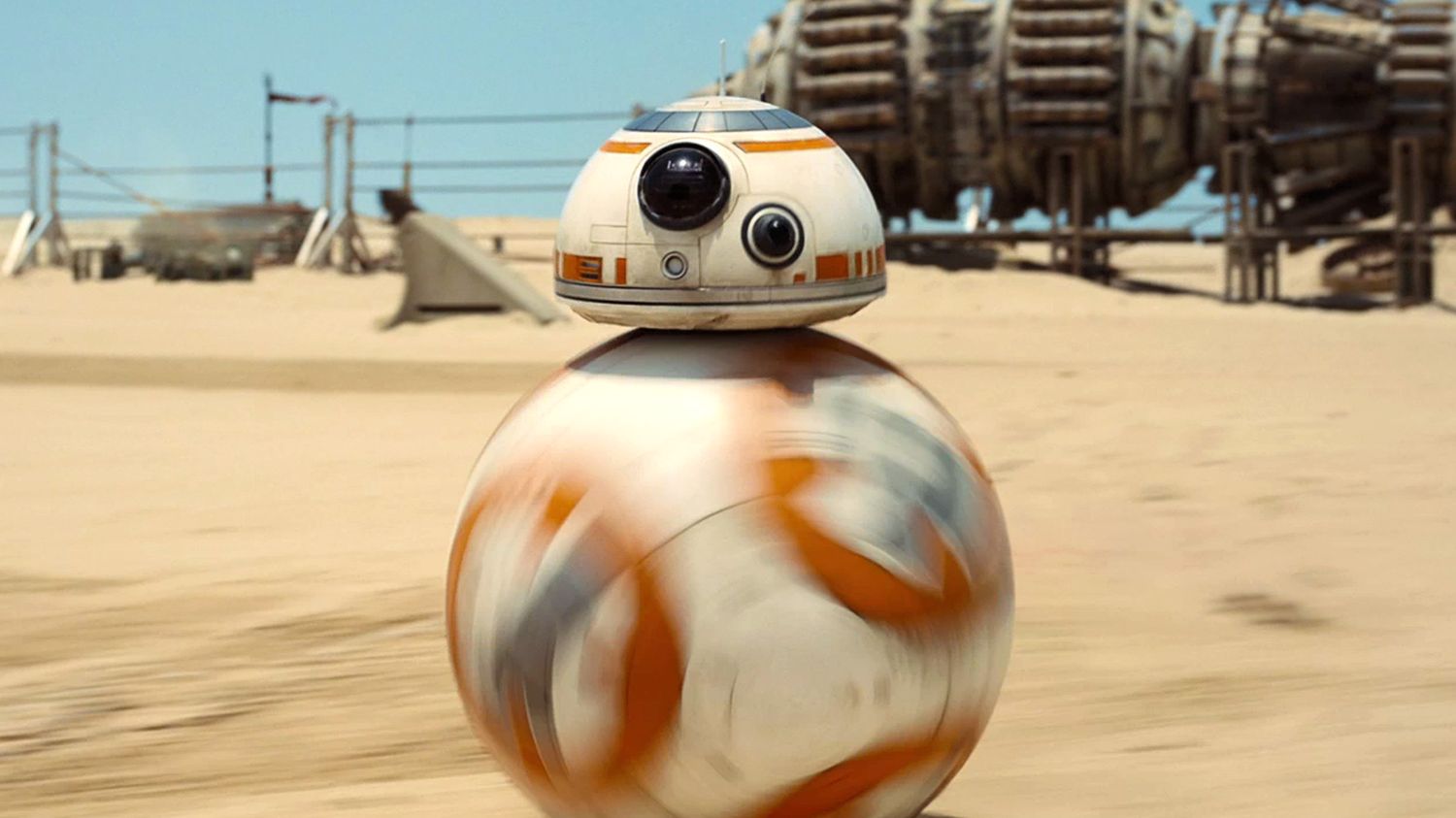
The introduction of BB-8 in the modern Star Wars sequel trilogy represented a seismic shift in how robotics are conceptualized, designed, and utilized within the film industry. Moving beyond the static, puppeteered droids of the 1970s and 80s, BB-8 stands as a testament to the convergence of mechanical engineering and sophisticated remote-operation technology. While audiences recognize the character as a spirited protagonist in The Force Awakens (2015), The Last Jedi (2017), and The Rise of Skywalker (2019), the technological infrastructure behind the droid is a case study in practical effects versus CGI integration.
At its core, the BB-8 unit—specifically the “hero” version built by Pinewood Studios—was a feat of balancing physical hardware with digital enhancements. Unlike the original R2-D2, which relied on internal operators and complex cable management, BB-8 utilized a gyroscopic propulsion system. This design required a sophisticated balance of weight distribution and wireless connectivity to allow the spherical body to roll while the magnetically attached head remained upright. From an engineering perspective, this mirrors the development of modern self-balancing robotics seen in consumer electronics and industrial automation.

The Synergy of Practical Effects and Digital Integration
The cinematic legacy of BB-8 is defined by the decision to move away from pure computer-generated imagery (CGI) in favor of tangible, on-set robotics. This philosophy aligns with current trends in industrial design and human-robot interaction (HRI), where the “feel” of a machine is just as critical as its functional utility.
Bridging the Gap Between Hardware and Software
For filmmakers, the challenge was ensuring the droid could navigate unpredictable terrain while interacting naturally with human actors. By utilizing a “puppeteered” approach, the crew achieved a level of responsiveness that pure animation often lacks. This hybrid model reflects the modern software development cycle: creating a robust hardware chassis—the mechanical droid—and overlaying a layer of “intelligence” through remote control and, occasionally, minor digital post-processing to remove support structures.
The Impact on Motion Control Systems
The filming of BB-8 necessitated advancements in motion control camera rigs. Because the droid was constantly in motion, the tracking systems had to synchronize with the robot’s erratic speed and direction. This mirrors the challenges found in modern autonomous logistics, where mobile robots must interpret and respond to a dynamic environment in real-time. By studying how BB-8 was tracked during high-intensity sequences, one can identify the foundational principles now used in warehouse automation and robotic mapping.
BB-8 as a Template for Consumer Robotics
Beyond the narrative scope of the movies, BB-8 has functioned as a cultural catalyst for the consumer robotics market. Following the release of the films, the licensing of the droid’s image to companies like Sphero allowed for the miniaturization of the complex balancing technology used on set. This transition from “Hollywood prop” to “consumer gadget” provides an insightful look at the lifecycle of product development.
Scaling Robotic Complexity
The consumer version of BB-8 served as a simplified iteration of its cinematic counterpart. While the film version used custom actuators and magnets to maintain its head position, the consumer unit relied on internal gyroscopes and simplified Bluetooth-enabled app controls. This process of “feature stripping” is a hallmark of technology commercialization: identifying the core USP—in this case, the unique rolling gait—and packaging it into a cost-effective, scalable form factor.
The Role of User Interfaces (UI)
The mobile application that controlled the consumer BB-8 unit was a masterclass in intuitive UI design. By abstracting the complex physics of a spherical robot into a simple joystick control scheme, developers bridged the gap between advanced mechanical engineering and end-user accessibility. This is a critical lesson for software architects in the AI and robotics space: the complexity of the backend is irrelevant if the frontend interface is not designed with the user’s mental model in mind.
Future Projections for Cinematic AI and Robotics
The presence of BB-8 in the Star Wars franchise serves as a benchmark for how artificial intelligence will eventually be integrated into physical film production. As we move toward more autonomous robotic systems, the line between “practical prop” and “intelligent agent” will continue to blur.
From Remote-Controlled Props to Autonomous Agents
Future iterations of cinematic droids will likely incorporate advanced computer vision and machine learning (ML) models. Imagine a droid that can interpret a script’s blocking requirements, identify obstacles on set, and adjust its navigation path autonomously without the need for a human remote operator. The technological foundations laid by the BB-8 project—specifically the focus on spherical stability and omnidirectional movement—provide the physical infrastructure upon which these future AI agents will be built.
The Ethical and Practical Considerations of Set Robotics
As robotics become more prevalent in media creation, technical teams must address the ethics of machine integration. How do we ensure these machines are safe for human actors? How does the maintenance of robotic “characters” compare to the maintenance of software-based characters? These questions are becoming increasingly relevant as digital twins and robotic proxies become standard tools in the production pipeline. The BB-8 experience demonstrated that when robots are treated as active participants on a set, they elevate the entire creative process, forcing a higher standard of technical execution.

The Long-Term Influence on Robotic Design Philosophy
When considering “what movie is BB-8 in,” it is easy to view the droid as merely a piece of cinematic entertainment. However, when viewed through a technological lens, BB-8 represents a turning point in the democratization of advanced robotics. The project proved that high-level engineering—previously restricted to research laboratories or high-end industrial environments—could be successfully deployed in the high-pressure, creative environment of a film set.
This influence extends into the design of modern home assistants and automated transport systems. The emphasis on spherical mobility, magnetic coupling for stability, and low-latency wireless communication found in the droid’s design are now standard discussion points in the development of indoor robotic platforms. Whether it is a delivery drone navigating a hallway or an intelligent smart-home device that can follow a user from room to room, the design cues taken from the BB-8 aesthetic and mechanical architecture remain influential.
As we look toward the next generation of robotic cinematic characters, the BB-8 model offers a blueprint for success. It emphasizes the importance of hardware integrity, the necessity of intuitive user interfaces, and the immense value of practical, physical movement in a world that is becoming increasingly obsessed with virtual solutions. By merging the tactile world of mechanics with the seamless nature of digital control, the team behind BB-8 redefined the possibilities for robotic actors, setting a standard that current and future engineers continue to emulate in the development of real-world intelligent systems. The legacy of this character is not just found in the theater, but in the laboratories and workshops where the next generation of autonomous technology is being forged.
aViewFromTheCave is a participant in the Amazon Services LLC Associates Program, an affiliate advertising program designed to provide a means for sites to earn advertising fees by advertising and linking to Amazon.com. Amazon, the Amazon logo, AmazonSupply, and the AmazonSupply logo are trademarks of Amazon.com, Inc. or its affiliates. As an Amazon Associate we earn affiliate commissions from qualifying purchases.